Spathidexia
Townsend, 1912
Species Guides
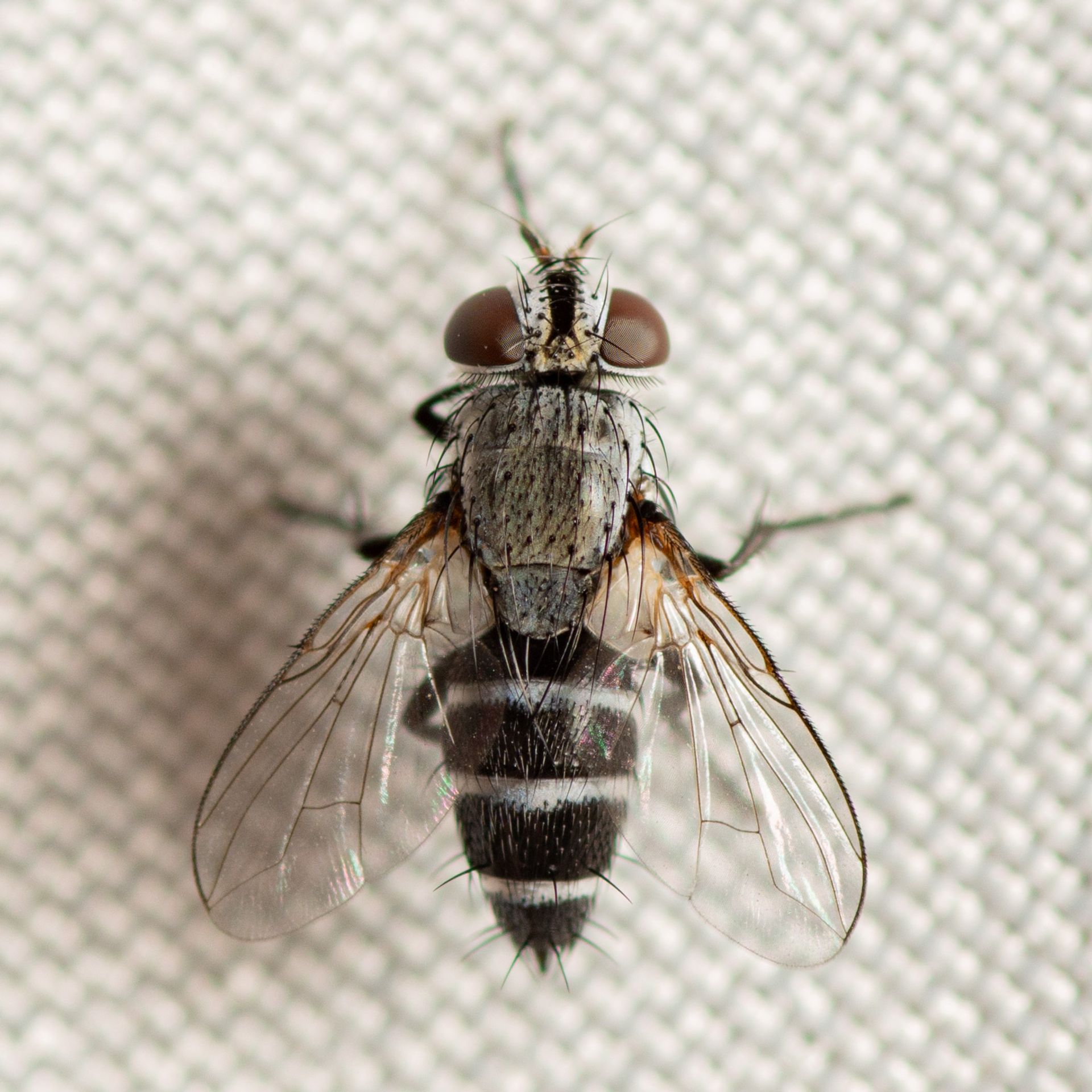
1Spathidexia is a New World of tachinid flies in the tribe Thelairini, characterized by females possessing a blade-like ovipositor (from Latin 'spatha', sword). The genus contains approximately 24 nominal distributed across the Americas, with seven species north of Mexico and 12 in the Neotropics showing minimal geographic overlap. All species studied from Area de Conservación Guanacaste, Rica are of caterpillars in Nymphalidae (Satyrinae) and Hesperiidae (Hesperiinae) that feed on monocots. Males and females exhibit in orbital bristles and abdominal coloration patterns.
Pronunciation
How to pronounce Spathidexia: /ˌspeɪθɪˈdɛksiə/
These audio files are automatically generated. While they are not always 100% accurate, they are a good starting point.
Identification
Distinguished from other Thelairini by the female's blade-like (spathulate) ovipositor. in orbital bristles and abdominal patterning allows separation of males and females. -level identification requires combination of morphological characters, COI barcode data, and abdominal markings which are consistent within species but differ between sexes.
Images
Appearance
Tachinid flies with females bearing a distinctive flattened, retractile ovipositor that is either long and sharply pointed or short and blunt-ended. present: males and females differ in orbital bristles and abdominal coloration. Abdominal markings are consistent within and differ between sexes, providing reliable visual characters for species identification.
Habitat
Tropical rain forest, tropical dry forest, cloud forest, and their intergrades. In Area de Conservación Guanacaste, Rica, inventory efforts have focused on vegetation up to 3-4 m above ground; upper foliage remains largely unsampled.
Distribution
New World ranging throughout much of the Americas. Seven occur north of Mexico, 12 in the Neotropics, with minimal overlap between these regions. Documented from northwestern Rica (Area de Conservación Guanacaste) where intensive rearing studies have been conducted.
Host Associations
- Nymphalidae (Satyrinae) - monocot-eating caterpillars
- Hesperiidae (Hesperiinae) - monocot-eating caterpillars
Life Cycle
development: flies emerge from caterpillar collected in the wild and reared in captivity on their food plants. Parasitoids have been reared from caterpillars at all instars and sometimes from pupae. dates are recorded, not caterpillar collection dates.
Ecological Role
of herbivorous lepidopteran caterpillars, contributing to of monocot-feeding satyrine and hesperiine butterflies and skippers in tropical forest . Part of the most -rich of fly parasitoids (Tachinidae) encountered in the ACG caterpillar inventory.
Similar Taxa
- MinthodexiopsisProposed as junior synonym of Spathidexia based on morphological and molecular evidence; previously recognized as separate .
- Other Thelairini generaLack the distinctive blade-like female ovipositor that defines Spathidexia.
More Details
Taxonomic revision
Minthodexiopsis Townsend was proposed as a new synonym of Spathidexia by Wood, resulting in the new combination S. flavicornis (Brauer & Bergenstamm) comb. n.
Species discovery
All seven Spathidexia reared from ACG caterpillars during intensive inventory work were determined to be previously undescribed, suggesting substantial undiscovered diversity in the .