
Dexiinae
Tribe Guides
11Dexiinae is a of tachinid flies (Diptera: Tachinidae) comprising approximately 15 tribes and over 500 described . Members are , with larvae developing inside insects. The subfamily has a distribution and includes notable such as Dexia, Rutilia, and Voria. Australasian Dexiini have been shown to parasitize scarabaeid larvae (soil-dwelling) and cerambycid beetle larvae (wood-dwelling), with host associations correlating to morphological traits.
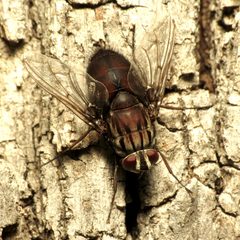
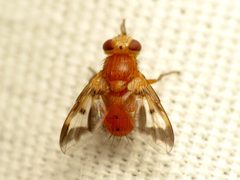
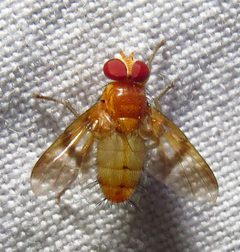
Pronunciation
How to pronounce Dexiinae: /ˈdɛksiˌiːnaɪ/
These audio files are automatically generated. While they are not always 100% accurate, they are a good starting point.
Images
Distribution
. Documented from Australasian region, Indonesia (Maluku), Papua New Guinea, New Caledonia, Fiji, and the Neotropical region.
Host Associations
- Scarabaeidae - larval Australasian Dexiini with carinate parasitize soil-dwelling scarabaeid larvae
- Cerambycidae - larval Australasian Dexiini with non-carinate parasitize wood-dwelling cerambycid larvae
Ecological Role
flies that contribute to regulation of , particularly scarabaeids and cerambycids in documented systems.
More Details
Tribal classification
Dexiinae contains approximately 15 tribes: Dexiini, Doleschallini, Dufouriini, Epigrimyiini, Eutherini, Freraeini, Imitomyiini, Rutiliini, Sophiini, Telothyriini, Uramyini, Voriini, and several unplaced . The tribe Voriini is the largest and most diverse.
Morphological diversity
The exhibits substantial morphological variation, with some tribes and characterized by distinct abdominal carinae (keels) that correlate with -finding adaptations for soil-dwelling versus wood-dwelling hosts.
Sources and further reading
- BugGuide
- Wikipedia
- iNaturalist taxon
- NCBI Taxonomy
- Catalogue of Life
- The systematics of the Australasian Dexiini (Diptera : Tachinidae : Dexiinae) with revisions of endemic genera
- Melanesomyia, a Tribally Unplaced New Genus of Dexiinae (Diptera: Tachinidae) from Indonesia (Maluku) and Papua New Guinea, With Description of Two New Species
- A new species of Cenosoma Wulp, 1890 (Diptera: Tachinidae: Dexiinae) from the Neotropical Region, with an updated host record for its tribe