Ceratinostoma ostiorum
(Curtis, 1832)
Large Shore Dung Fly
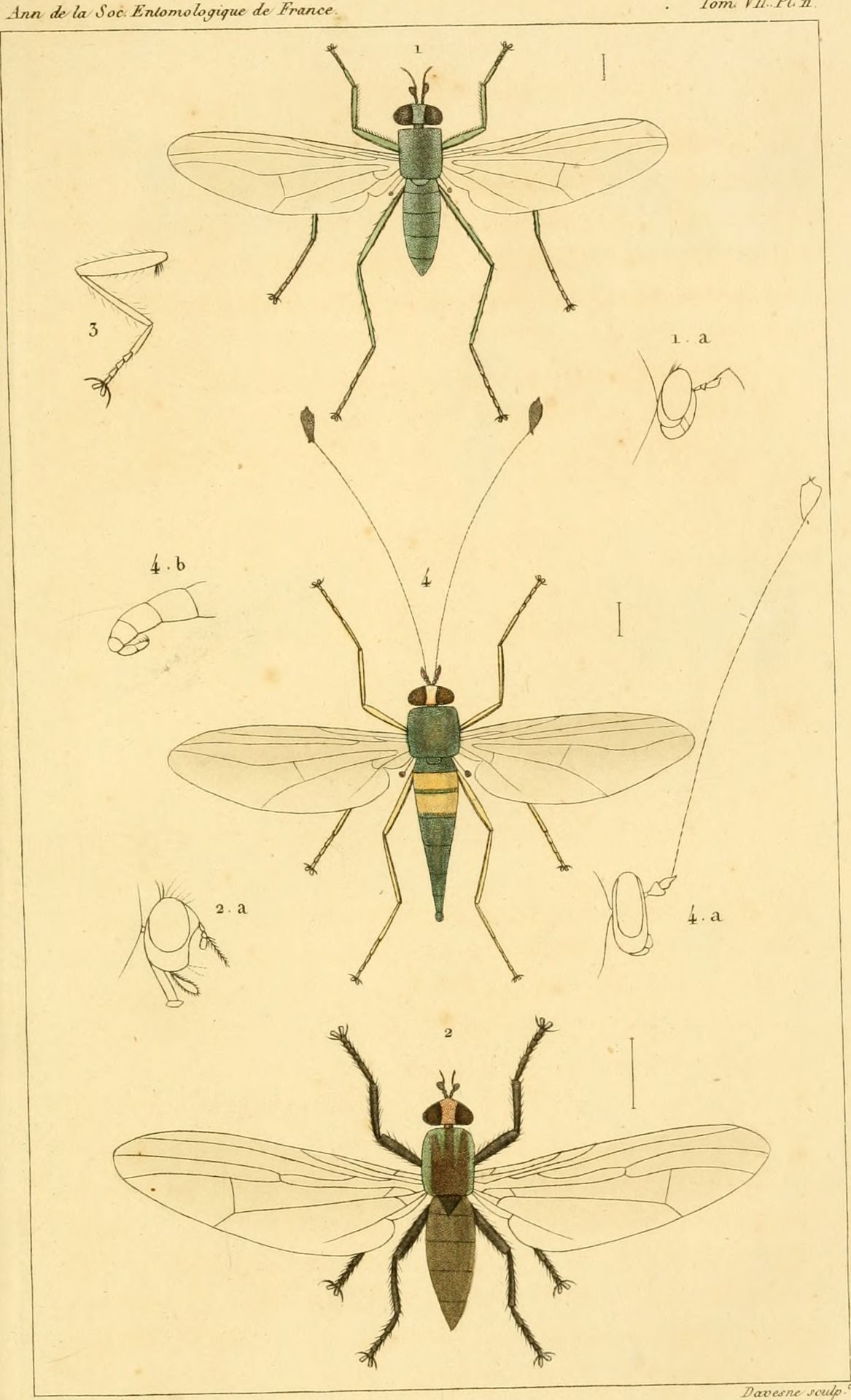
Ceratinostoma ostiorum is a shore fly in the Scathophagidae, commonly known as the Large Shore . It occurs in coastal of northwestern Europe, where it has been recorded from Belgium, the British Isles, Norway, and Sweden. The belongs to a small of -associated flies that inhabit intertidal and shoreline environments.
Pronunciation
How to pronounce Ceratinostoma ostiorum: //ˌsɛrətiːnoʊˈstoʊmə ˈɒstiˌɔːrəm//
These audio files are automatically generated. While they are not always 100% accurate, they are a good starting point.
Identification
Belongs to Scathophagidae, a distinguished from other calyptrate flies by the combination of a bare , hypopleuron with fine hairs rather than a distinct bristle, and often yellowish coloration. The Ceratinostoma is characterized by a notably large and robust body form compared to many other scathophagids, with the specific epithet 'ostiorum' historically referencing association with doors or gates, possibly alluding to features. Distinguished from the common yellow dung fly (Scathophaga stercoraria) by larger size and coastal rather than pastoral habitat preference.
Images
Habitat
Coastal shoreline and intertidal . Records indicate presence in the Belgian Exclusive Economic Zone and specifically at Nieuwpoort, suggesting association with sandy or muddy coastal environments.
Distribution
Northwestern Europe: confirmed present in Belgium, British Isles, Norway, and Sweden. Distribution appears concentrated in coastal regions of the North Sea and adjacent waters.
Similar Taxa
- Scathophaga stercorariaCommon yellow dung fly shares Scathophagidae but differs in (pastoral vs. coastal shore) and is generally smaller with more extensive yellow coloration
- Other Scathophagidae generaNanna, Scathophaga, and related differ in body size, coastal specificity, and detailed chaetotaxy of and legs
More Details
Taxonomic authorship discrepancy
Sources differ on authorship: Curtis (1832) per GBIF and Catalogue of Life, versus Haliday (1832) per NCBI. Both 1832 dates suggest near-simultaneous description in early dipteran literature.
Genus size
Ceratinostoma is a small within Scathophagidae; C. ostiorum appears to be the primary or only well-documented in the genus based on available occurrence data.