Reinwardtiini
Genus Guides
3- Muscina(false stable flies)
- Neomuscina
- Synthesiomyia
Reinwardtiini is a tribe of flies within the Muscidae, Muscinae. The tribe comprises 11 recognized distributed primarily in the Neotropical region. Several genera, notably Philornis and Passeromyia, have attracted research attention due to their specialized ecological associations with birds. The type genus Reinwardtia was established by Brauer & von Bergenstamm in 1890.

Pronunciation
How to pronounce Reinwardtiini: /raɪnˈwɑːrtɪaɪniː/
These audio files are automatically generated. While they are not always 100% accurate, they are a good starting point.
Identification
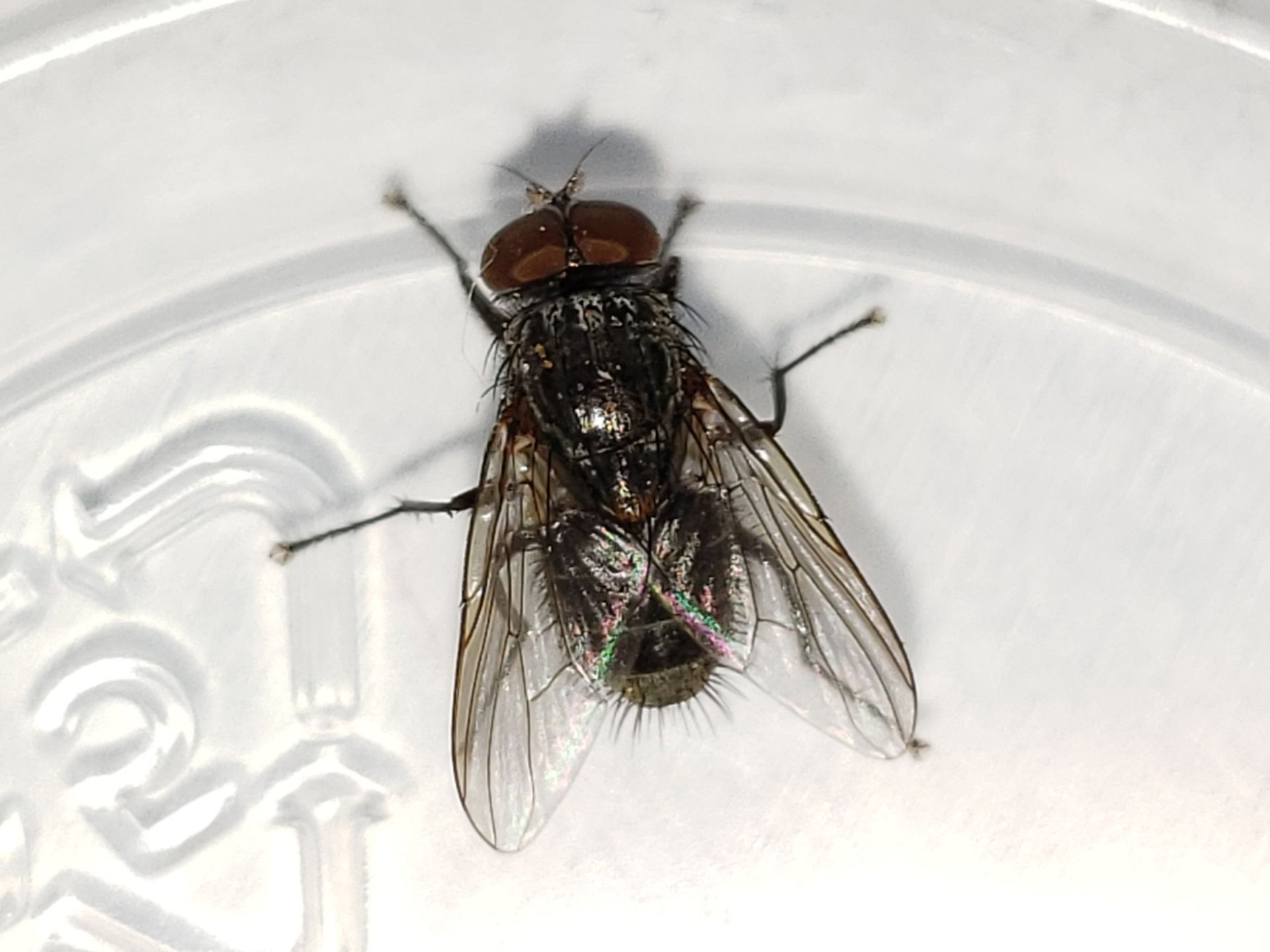
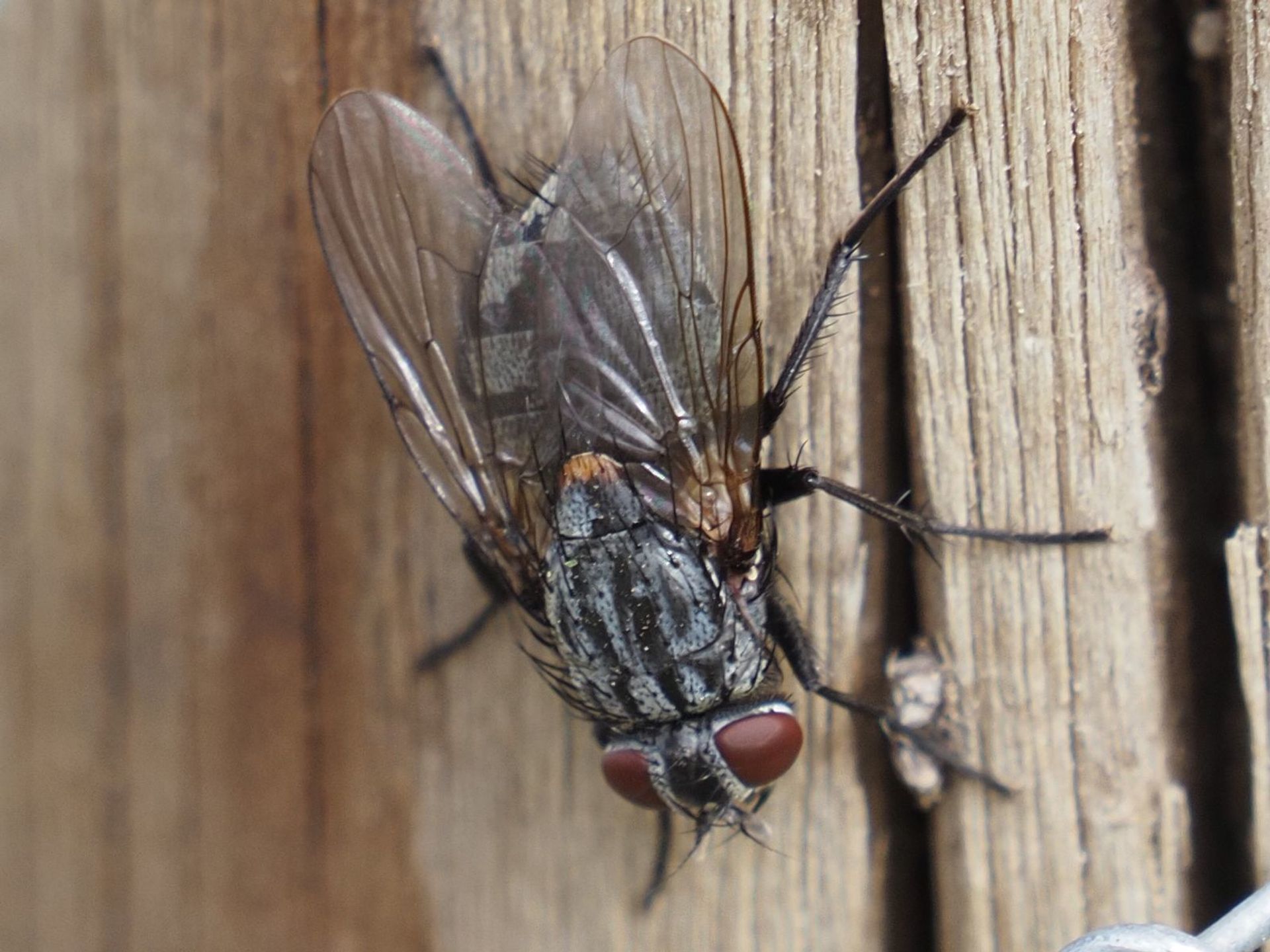
Members of Reinwardtiini are distinguished from other Muscinae tribes primarily by genitalic characters and chaetotaxy patterns. The tribe includes both robust muscid-like forms (e.g., Synthesiomyia, Muscina) and more slender, specialized forms (e.g., Philornis, Passeromyia). Definitive identification to level requires examination of male terminalia and specific bristle arrangements on the and legs.
Images
Distribution
The tribe shows strongest representation in the Neotropical region, with many to South America, Central America, and the Caribbean. Some genera have broader distributions: Muscina is nearly , and Synthesiomyia occurs in the Oriental and Australasian regions. Philornis range from southern United States through South America.
Host Associations
- birds - larval Philornis and Passeromyia are known to have larvae that parasitize nestling birds; are free-living and non-parasitic
Ecological Role
The tribe includes significant avian nest associates. Larvae of Philornis and Passeromyia act as or nest-inhabiting of birds, with documented impacts on nestling survival in various passerine . Other appear to be saprophagous or as larvae, contributing to decomposition processes.
Human Relevance
Philornis have emerged as conservation concerns due to their impacts on endangered bird , including Darwin's finches in the Galápagos Islands. Synthesiomyia nudiseta is used in for estimating postmortem intervals in some regions. No species are known as significant pests of humans or livestock.
Similar Taxa
- MusciniShares Muscinae; distinguished by different male genitalic structures and larval —Muscini are primarily saprophagous with no known avian parasitic associations
- StomoxyiniShares Muscidae; Stomoxyini are blood-feeding with piercing mouthparts, whereas Reinwardtiini have sponging mouthparts and different larval habits
More Details
Type genus
Reinwardtia Brauer & von Bergenstamm, 1890 is the type of the tribe. The genus name honors Caspar Georg Carl Reinwardt, a 19th-century Dutch botanist and naturalist.