
Drymeia
Meigen, 1826
Species Guides
2Drymeia is a of true flies in the Muscidae, tribe Azeliini. The genus was established by Meigen in 1826 and contains approximately 31 documented observations on iNaturalist. As a member of Muscidae, Drymeia are part of a diverse group of calyptrate flies commonly associated with various terrestrial .
Pronunciation
How to pronounce Drymeia: /ˈdrɪmi.a/
These audio files are automatically generated. While they are not always 100% accurate, they are a good starting point.
Identification
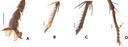
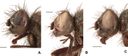
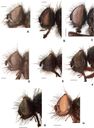
Drymeia can be distinguished from other Azeliini by features of the male terminalia and chaetotaxy, though specific diagnostic characters require examination of and detailed morphological analysis. The genus is placed in the tribe Azeliini based on synapomorphies including particular arrangements of bristles on the and legs.
Images
Distribution
Distribution data for Drymeia is sparse; the is known from the Palearctic region based on taxonomic literature, though precise range boundaries for the genus and its constituent remain poorly documented.
Similar Taxa
- AzeliaBoth Drymeia and Azelia belong to tribe Azeliini and share similar general body plans; separation requires examination of male genitalia and specific bristle patterns on the legs and
- PegomyaPegomya is another muscid with superficially similar appearance; Drymeia can be distinguished by features of the wing venation and hypopygial structure
More Details
Taxonomic note
The Drymeia has been subject to taxonomic revision, with some historically transferred to or from related genera in Azeliini. Current classification follows modern systematic treatments of Muscidae.
Research status
Biological and ecological data for Drymeia are notably scarce in published literature. Most available information is taxonomic, focusing on descriptions and -level classification rather than natural history.
Sources and further reading
- BugGuide
- iNaturalist taxon
- NCBI Taxonomy
- Catalogue of Life
- Comparative analysis of the biotechnological potential of Knautia drymeia Heuff. and K. macedonica Griseb
- Heteroploid Knautia drymeia includes K. gussonei and cannot be separated into diagnosable subspecies
- The Anti-Acne Potential and Chemical Composition of Knautia drymeia Heuff. and Knautia macedonica Griseb Extracts.