
Lipopteninae
Speiser, 1908
Genus Guides
2- Lipoptena(deer ked)
- Melophagus(sheep ked)
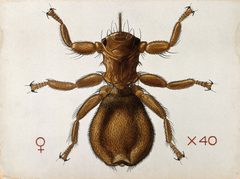
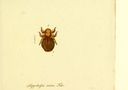
Lipopteninae is a of louse flies (Hippoboscidae) comprising three : Lipoptena, Melophagus, and Neolipoptena. All members are obligate of mammals. The subfamily was established by Speiser in 1908. in this group exhibit morphological adaptations for clinging to fur or hair, including dorsoventrally flattened bodies and strong claws. Notable species include the deer ked (Lipoptena cervi) and the sheep ked (Melophagus ovinus), both of which are economically significant .
Pronunciation
How to pronounce Lipopteninae: //ˌlɪpəpˈtɛnɪniː//
These audio files are automatically generated. While they are not always 100% accurate, they are a good starting point.
Identification
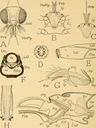
Distinguished from other Hippoboscidae by the combination of: (1) of mammals (vs. birds in Ornithomyinae), (2) wing in Lipoptena and Neolipoptena or complete aptery in Melophagus, and (3) specific associations (cervids, bovids, and other mammals). Lipoptena retain wing bases after autotomy; Neolipoptena is and rare; Melophagus is immediately recognizable by permanent winglessness and dense setation.
Images
Habitat
Not applicable as free-living ; obligate confined to mammals. Found on hosts in terrestrial environments including forests, grasslands, and alpine meadows. Host-specific microhabitat is the pelage of mammals.
Distribution
distribution following ranges. Lipoptena cervi occurs across northern Eurasia and North America. Melophagus ovinus has global distribution in sheep-rearing regions. Various Lipoptena show regional tied to specific cervid or bovid hosts in Europe, Asia, Africa, and the Americas.
Seasonality
activity coincides with presence and environmental conditions permitting host contact. In temperate regions, Lipoptena cervi shows peak flying activity in late summer and autumn when winged adults seek hosts. Melophagus ovinus remains on hosts year-round with peaks in cooler months.
Diet
; feeds exclusively on blood of mammalian .
Host Associations
- Cervidae (deer) - primary Lipoptena cervi, L. capreoli, and related
- Bovidae (sheep, goats) - primary Melophagus ovinus on sheep; M. rupicaprinus on chamois and related
- Bovidae (antelopes) - primary Melophagus antilopes
- Various mammals - primary -specific associations including suids, tragulids, and other ungulates
Life Cycle
Holometabolous but with highly modified development. Females are larviparous, retaining internally until larvae are nearly mature. Larvae are deposited on or in host environment, pupate immediately, and emerge to seek hosts. Winged forms (where present) fly to locate hosts, then shed wings upon attachment. Development occurs entirely in association with hosts.
Behavior
Winged (Lipoptena, Neolipoptena) exhibit active -seeking , often showing weak flight capability and tendency to land on moving objects. After host contact, wings are shed and individuals become permanent . Melophagus are incapable of flight and rely on direct host-to-host transfer. All species exhibit negative once established on hosts.
Ecological Role
that may cause direct harm through blood feeding and skin irritation. Potential of agents between mammal , though vector competence varies by . influenced by host and health status.
Human Relevance
Melophagus ovinus (sheep ked) causes significant economic losses in sheep production through hide damage, blood loss, and secondary . Lipoptena cervi (deer ked) occasionally bites humans, causing dermatological reactions; has been investigated as potential of Bartonella . Handling of infested animals poses occupational risk to farmers, hunters, and wildlife .
Similar Taxa
- OrnithomyinaeOther major of Hippoboscidae, but parasitizes birds rather than mammals. Shares wing reduction traits but differs fundamentally in association.
- HippoboscinaeSome classifications include mammal-parasitic forms here; Lipopteninae distinguished by specific wing mechanism and larviparous reproductive strategy details.
More Details
Taxonomic Note
Catalogue of Life lists Lipopteninae as a synonym of Hippoboscinae, but NCBI and most dipteran taxonomic sources maintain it as a valid . The group is well-supported by morphological and -association data.
Wing Autotomy
The shedding of wings after location in Lipoptena is a rare phenomenon among insects and represents a significant evolutionary commitment to ectoparasitism. The wing bases remain as visible scars.