
Hydrelliinae
Genus Guides
6- Dichaeta
- Hydrellia(hydrilla leaf mining flies (unofficial, for some species))
- Lemnaphila(duckweed miner flies)
- Notiphila(shore flies)
- Paralimna(shore flies)
- Typopsilopa
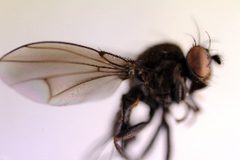
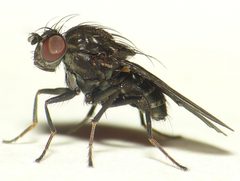
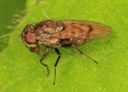
Hydrelliinae is a of shore flies within the Ephydridae, comprising approximately 10 and at least 130 described . These small flies are primarily associated with aquatic and semi-aquatic environments. The subfamily is distinguished by ecological and morphological traits that separate it from other ephydrid groups. Members are found across multiple continents with varying preferences.
Pronunciation
How to pronounce Hydrelliinae: /hɪdreɪˈlaɪ.əˌniː/
These audio files are automatically generated. While they are not always 100% accurate, they are a good starting point.
Identification
Distinguished from other Ephydridae by a combination of and larval characters including specific chaetotaxy patterns and genitalia structure. Adults are small shore flies with reduced body size compared to some related subfamilies. Larval stages possess morphological adaptations for aquatic or semi-aquatic life that differ from the primarily terrestrial larvae of many other ephydrids. Detailed identification requires examination of microscopic features.
Images
Habitat
Aquatic and semi-aquatic environments including freshwater marshes, ponds, streams, and wet meadows. Many are associated with submerged or emergent vegetation in shallow water. Some species inhabit brackish coastal . Larval development occurs in wet substrates or directly in water.
Distribution
Recorded from multiple continents including North America, South America, Europe, Asia, Africa, and Australia. Distribution varies by with some groups showing restricted regional ranges while others are more widespread.
Life Cycle
Complete with , larva, pupa, and stages. Larvae are aquatic or semi-aquatic, developing in wet substrates or shallow water. Specific developmental timing varies by and geographic location.
Ecological Role
Larvae function as primary consumers in aquatic , processing detritus and plant material. Some are significant herbivores of aquatic vegetation. serve as prey for various aquatic and terrestrial .
Human Relevance
Some are economically important as pests of rice and other aquatic crops, with larvae feeding on submerged plant tissues. A few species have been investigated for of aquatic weeds. Generally not of medical or veterinary significance.
Similar Taxa
- EphydrinaeAnother of Ephydridae; distinguished by different larval preferences and morphological characters including wing venation patterns
- PsilopinaeEphydrid with more terrestrial larval habits; often have distinct thoracic coloration patterns
More Details
Taxonomic Note
The has undergone taxonomic revision with some previously placed in Hydrelliinae now assigned to other groups. Current classification recognizes approximately 10 genera, though this number varies between sources.
Agricultural Significance
Hydrellia , particularly H. griseola, are known rice pests in various parts of the world. The 'rice ' refers to larval feeding damage on rice plants.