
Lemnaphila
Cresson, 1933
duckweed miner flies
Species Guides
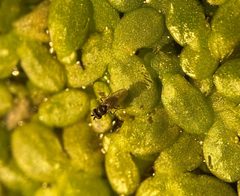
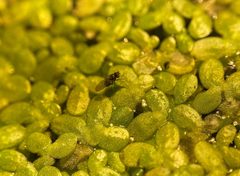
1Lemnaphila is a of shore flies in the Ephydridae, commonly known as duckweed miner flies. The genus was established by Cresson in 1933 and contains seven described distributed in the Neotropical region. At least one species, L. neotropica, is known to mine duckweeds (Lemna species), creating distinctive feeding damage on these aquatic plants. The genus has attracted attention due to the economic and ecological significance of its association with duckweed .
Pronunciation
How to pronounce Lemnaphila: /lɛmˈnæfɪlə/
These audio files are automatically generated. While they are not always 100% accurate, they are a good starting point.
Identification
Members of Lemnaphila can be distinguished from other Ephydridae by their association with duckweed mining , though specific morphological diagnostic features for the are not documented in available sources. The genus name refers to its ecological association with Lemna (duckweed). -level identification requires examination of male genitalia and other subtle morphological characters.
Images
Habitat
Aquatic and wetland environments; closely associated with duckweed (Lemna ) beds. The known species L. neotropica has been collected in association with Lemna minuta in standing water .
Distribution
Neotropical region. Documented from Argentina (Berisso, Buenos Aires province), with described from various localities in the Neotropics.
Diet
Larval stages mine duckweed leaves. The mining on Lemna minuta has been documented for L. neotropica; feeding habits of other are unknown.
Host Associations
- Lemna minuta Kunth - larval plantleast duckweed; mined by larvae of L. neotropica
- Hexacola lemnaphilae Gaddi & Díaz - eucoiline that parasitizes pupae of L. neotropica
Life Cycle
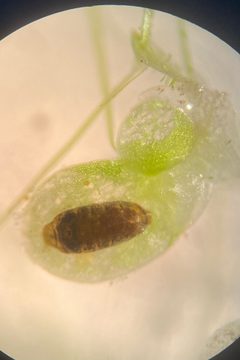
Complete with , larva, pupa, and stages. Pupae of at least one are parasitized by the figitid Hexacola lemnaphilae.
Behavior
Larvae are leaf miners, creating tunnels within duckweed fronds. presumably emerge near the water surface where plants grow.
Ecological Role
Herbivore that can act as a pest of duckweed . Serves as for , contributing to local dynamics in aquatic .
Human Relevance
Potential economic importance in duckweed systems, where heavy could reduce duckweed production. Duckweeds are used for wastewater treatment, animal feed, and biofuel production.
Similar Taxa
- Other Ephydridae generaMany shore flies occupy similar aquatic ; Lemnaphila is distinguished by its specific association with duckweed mining, though morphological separation requires expert identification.
More Details
Species diversity
Seven are currently recognized: L. grossoae, L. lilloana, L. lillolana, L. longicera, L. neotropica, L. scotlandae, and L. wirthi. Most were described by Lizarralde de Grosso between 1977-1978, with additional species described by Mathis & Edmiston in 2000.
Research significance
The Hexacola lemnaphilae was described specifically from material reared from L. neotropica pupae, highlighting the 's importance in discovering new agents.