
Empis spectabilis
Loew, 1862
dance fly
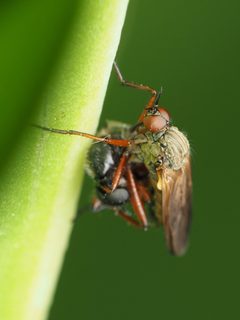
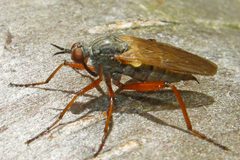
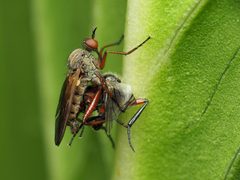
Empis spectabilis is a of dance fly in the Empididae, described by Loew in 1862. The species is part of the large Empis, which contains over 50 species in the subgenus Enolempis alone. Dance flies are predatory flies known for their distinctive mating swarms and elaborate courtship . Males of some Empis species are notable for possessing modified hind legs with enlarged structures used in .
Pronunciation
How to pronounce Empis spectabilis: /ˈɛmpɪs spɛkˈtæbɪlɪs/
These audio files are automatically generated. While they are not always 100% accurate, they are a good starting point.
Identification
Males of Empis spectabilis possess a highly distinctive character: an opposing pair of large teeth on each side of the "knee" joint on the hind leg. This modification is absent in females. The leg structure is conspicuous enough to serve as a primary diagnostic feature, though it is not included in all identification keys. As with other Empis , identification to species level requires careful examination of leg chaetotaxy, wing venation, and genitalic structures.
Images
Behavior
Males use their enlarged hind leg teeth in , a trait characteristic of the subgenus Enolempis. As with other dance flies, members of this likely engage in aerial mating swarms.
Ecological Role
As a predatory fly, Empis spectabilis likely functions as a of small insects and other arthropods. Dance flies are known to be important components of aerial insect and may serve as prey for larger insects, birds, and other .
Similar Taxa
- Other Empis speciesMany Empis share similar body plans and require examination of male genitalia or specific leg modifications for definitive identification. The enlarged hind leg teeth of E. spectabilis males distinguish them from species lacking such modifications.
- Other Empididae generaRelated dance fly such as Rhamphomyia and Hilara may be confused with Empis, but differ in details of wing venation, leg structure, and facial .
More Details
Taxonomic note
Catalogue of Life lists Empis spectabilis as a synonym, while GBIF treats it as accepted. This discrepancy reflects ongoing taxonomic revision in the Empis. The was originally described by Loew in 1862.
Identification resources
Identification of Empis relies heavily on dichotomous keys that progressively narrow to and species based on morphological characters. However, the conspicuous hind leg teeth of male E. spectabilis provide a shortcut not always reflected in key couplets.