Culiseta alaskaensis
(Ludlow, 1906)
Alaskan winter mosquito
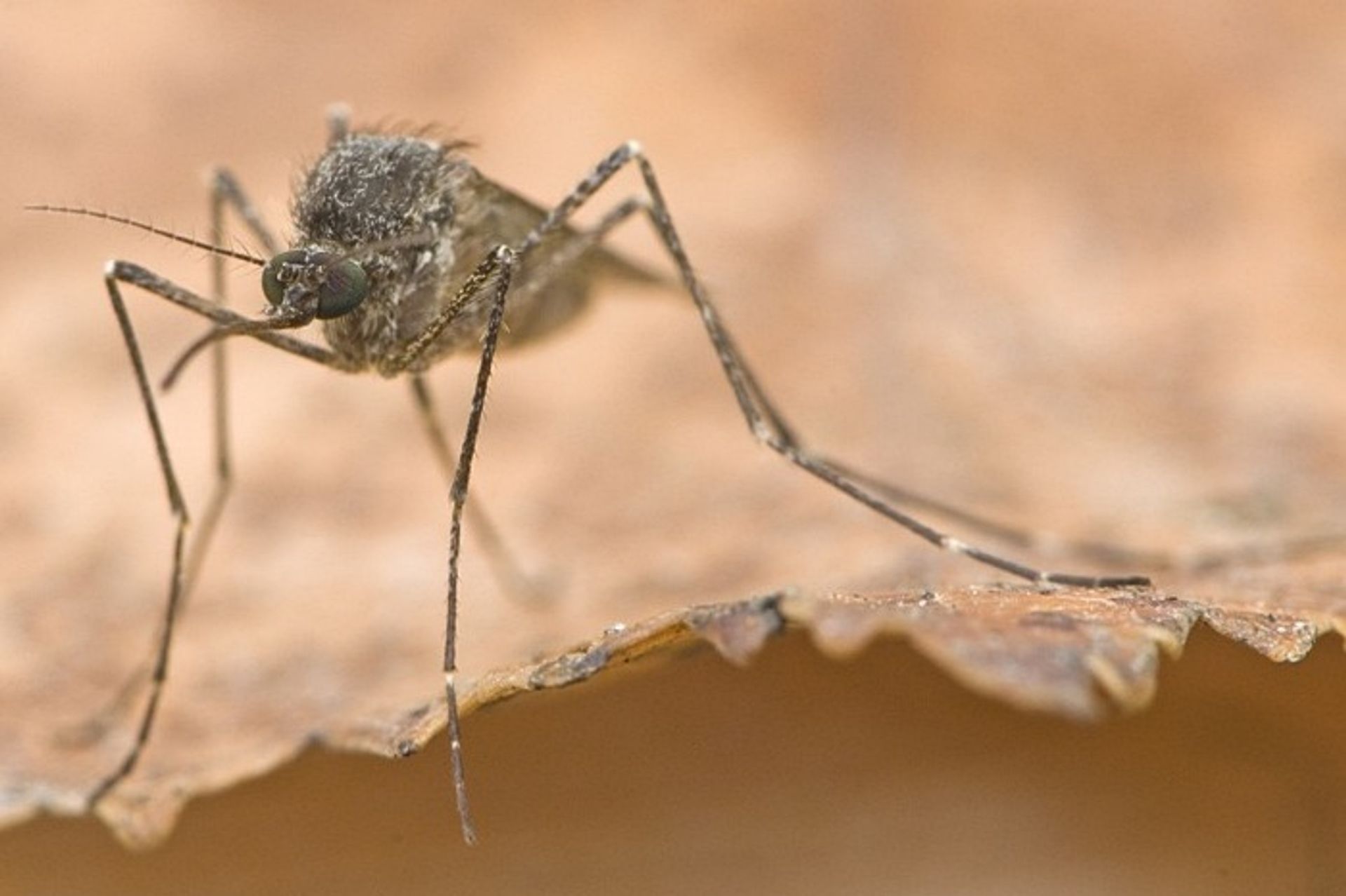
Culiseta alaskaensis, the Alaskan winter mosquito, is a Holarctic mosquito adapted to cold subarctic and arctic environments. It has a with larvae and emerging in late summer. Females exhibit a distinctive reproductive strategy: they are for their first batch, producing eggs without a blood meal, but require blood for subsequent batches. Adults enter hibernation shortly after without mating or feeding, with mating deferred until spring.
Pronunciation
How to pronounce Culiseta alaskaensis: /ˈkuːlɪˌsiːtə əˌlæskəˈɛnsɪs/
These audio files are automatically generated. While they are not always 100% accurate, they are a good starting point.
Identification
Can be distinguished from the similar Culiseta impatiens by association and geographic range; both occur in overlapping habitats but specific morphological differences require detailed examination. Previously considered with Culiseta indica (formerly Cs. alaskaensis indica), but molecular data show 5.9% COI and clear morphological distinctions in features, male genitalia, and larval characteristics.
Images
Habitat
Subarctic freshwater including tundra pools, ponds, and slow-moving water. Larval development occurs in standing water of tundra and environments. migrate from tundra breeding sites to forested areas.
Distribution
Holarctic distribution: North America from Colorado northward through Alaska, including Upper Cook Inlet region to the tundra. Also present in northern Europe and northern Asia (excluding China).
Seasonality
Larvae present from June through August with peak abundance in July. emerge in late July and August. Active during daylight hours. Single per year.
Life Cycle
occurs in the larval stage. : one per year. Females for first batch (can develop eggs without blood meal); subsequent batches require blood meal (anautogeny).
Behavior
Females enter hibernation shortly after without mating or feeding. Mating occurs in spring following hibernation. are , active during daylight hours. Strong capability with from tundra breeding sites to forested areas.
Human Relevance
Documented as a for Plasmodium circumflexum in Alaska, with rates in black-capped chickadees documented in Anchorage and Fairbanks. No evidence of zoonotic transmission to humans. Short Alaskan summers disrupt the parasitic , limiting spread.
Similar Taxa
- Culiseta impatiensOccurs in same ; both are cold-adapted Culiseta with overlapping geographic ranges
- Culiseta indicaFormerly treated as Cs. alaskaensis indica; now recognized as distinct based on 5.9% COI and morphological differences
More Details
Taxonomic History
Theobaldia indica Edwards, 1920 was formerly classified as a of Culiseta alaskaensis, but was restored to status as Culiseta indica based on integrated morphological and molecular data. A 2024 study confirmed this separation with COI barcode analysis showing 5.9% K2P distance between the two .
Cold Adaptation
Survives subarctic conditions through glycerol production acting as antifreeze and supercooling that lowers body temperature below freezing without solidification of body fluids.
Sources and further reading
- BugGuide
- Wikipedia
- GBIF taxonomy match
- iNaturalist taxon
- NCBI Taxonomy
- Culiseta melanura mosquito bird hosts - Entomology Today
- How Florida Mosquito Control Could Trim Disease in Northern States
- Mosquito Populations Linked Across Further Distances Than the Viruses They Carry
- Bug Eric: Mosquitoes
- Study Finds Bigger Mosquitoes in Baltimore Neighborhoods with More Abandoned Buildings
- Some Florida Mosquitoes Spend the Winter in Tortoise Burrows
- Biology of an Alaskan Mosquito, Culiseta Alaskaensis (Ludl.)
- Confirmation of the recognition of Culiseta (Culiseta) indica Edwards, 1920 as a distinct species based on integrated morphological and molecular data