
Pentaneurini
Genus Guides
8- Ablabesmyia(Banded-leg Tanypods)
- Guttipelopia
- Labrundinia
- Larsia
- Pentaneura
- Rheopelopia
- Thienemannimyia(non-biting midges)
- Zavrelimyia
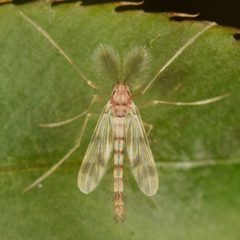
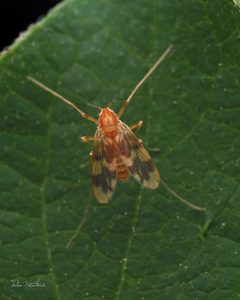
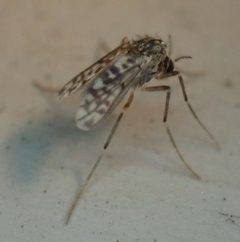
Pentaneurini is a tribe of non-biting midges within the Tanypodinae ( Chironomidae). The tribe comprises approximately 21 and numerous distributed across multiple continents. are characterized by features of the wing venation and genitalia that distinguish them from related tribes Macropeleopini and Anatopyniini. Taxonomic revisions have been conducted for regional faunas, including Africa south of the Sahara.
Pronunciation
How to pronounce Pentaneurini: /pɛnˌtæn.jʊˈraɪ.naɪ/
These audio files are automatically generated. While they are not always 100% accurate, they are a good starting point.
Identification
Pentaneurini can be distinguished from other Tanypodinae tribes by combinations of wing venation characters, including the shape and development of the anal lobe, and details of the male genitalia such as the structure of the gonostylus and parameters. Larval identification relies on capsule , particularly the arrangement and structure of the antennal segments and the .
Images
Habitat
Larvae of Pentaneurini are predominantly aquatic or semi-aquatic, inhabiting standing and flowing freshwater including lakes, ponds, streams, and rivers. Some occupy brackish water or temporary water bodies. Specific microhabitat preferences vary by and species.
Distribution
Documented from Africa south of the Sahara, Europe, North America, and Asia. The tribe has a broad geographic range corresponding to the distribution of its constituent , many of which are widespread in the Holarctic and Afrotropical regions.
Ecological Role
Larvae function as or omnivores in aquatic . They contribute to nutrient cycling in freshwater and serve as prey for fish and other aquatic predators. Specific ecological roles vary among and have not been comprehensively documented for the tribe as a whole.
Similar Taxa
- MacropeleopiniShares Tanypodinae; distinguished by differences in wing venation and male genitalia structure, particularly the development of the anal lobe and gonostylus shape.
- AnatopyniiniShares Tanypodinae; separated by and larval morphological characters including antennal structure and details of the hypopygium.
More Details
Taxonomic History
The tribal classification of Tanypodinae was substantially revised by E.J. Fittkau, who established the current generic framework for Pentaneurini. Regional conspectuses have been published for African and other faunas, with most fitting into Fittkau's established .