
Pentaneura
Philippi, 1865
Pentaneura is a of non-biting midges in the Chironomidae, Tanypodinae. These aquatic insects are members of the tribe Pentaneurini and are found in freshwater . The genus was established by Philippi in 1865 and contains predatory whose larvae inhabit various aquatic environments.
Pronunciation
How to pronounce Pentaneura: /ˌpɛntəˈnʊərə/
These audio files are automatically generated. While they are not always 100% accurate, they are a good starting point.
Identification
Distinguishing Pentaneura from other tanypodine requires examination of larval mouthpart and genitalia structures. The tribe Pentaneurini is characterized by specific arrangements of the larval and mandibular structures. Adult males can be identified by details of the hypopygium (genital claspers). Separation from closely related genera such as Macropelopia and Psectrotanypus depends on subtle differences in antennal segmentation and wing venation patterns.
Images
Appearance
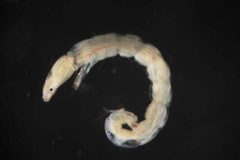
are small to medium-sized with slender bodies. Members of Tanypodinae, including Pentaneura, generally have reduced or non-functional mouthparts in the adult stage. Larvae are elongated, cylindrical, and often reddish in color due to hemoglobin content. The larval capsule is well-developed with distinct mouthpart structures adapted for .
Habitat
Larvae inhabit freshwater environments including streams, rivers, ponds, and lakes. They are typically found in the benthic zone, often in sandy or silty substrates. Some occupy of standing waters. The shows preference for cool, well-oxygenated waters.
Distribution
Documented from Colombia (Chocó and Cundinamarca departments) and Norway. The likely has a broader distribution in the Holarctic and Neotropical regions, though specific records remain limited.
Diet
Larvae are predatory, feeding on other aquatic including small oligochaetes, larvae, and other meiofauna. They are active hunters that capture prey using their well-developed mouthparts.
Life Cycle
Like other chironomids, Pentaneura undergoes complete with four life stages: , larva, pupa, and . Larval development includes four instars. occurs in the aquatic substrate, with adults emerging to mate. Adults are short-lived and do not feed.
Behavior
Larvae are free-living that actively move through sediments to locate prey. They construct loose tubes or burrows in soft substrates from which they emerge to hunt. form mating swarms, typically near water bodies at dusk.
Ecological Role
As , larvae regulate of smaller benthic . They serve as prey for larger aquatic insects, fish, and other predators. The contributes to nutrient cycling in freshwater through bioturbation of sediments.
Human Relevance
No direct economic importance. May be used as bioindicators of water quality in freshwater monitoring programs due to their specific requirements and sensitivity to pollution.
Similar Taxa
- MacropelopiaAlso in tribe Pentaneurini with similar larval ; distinguished by differences in mandibular teeth arrangement and antennal proportions
- PsectrotanypusShares tribe Pentaneurini and predatory larval habits; separated by details of the larval ligula and paraligula structure
- ThienemannimyiaAnother tanypodine with predatory larvae; differs in wing venation and larval capsule proportions
More Details
Taxonomic History
The authorship year is sometimes cited as 1866 in secondary sources, though the original description was published in 1865. The has undergone limited modern taxonomic revision, and -level diversity remains poorly documented.
Research Needs
Basic data, -level distributions, and ecological preferences are insufficiently known for most Pentaneura species. Larval- associations require confirmation through rearing studies.