Rheopelopia
Fittkau, 1962
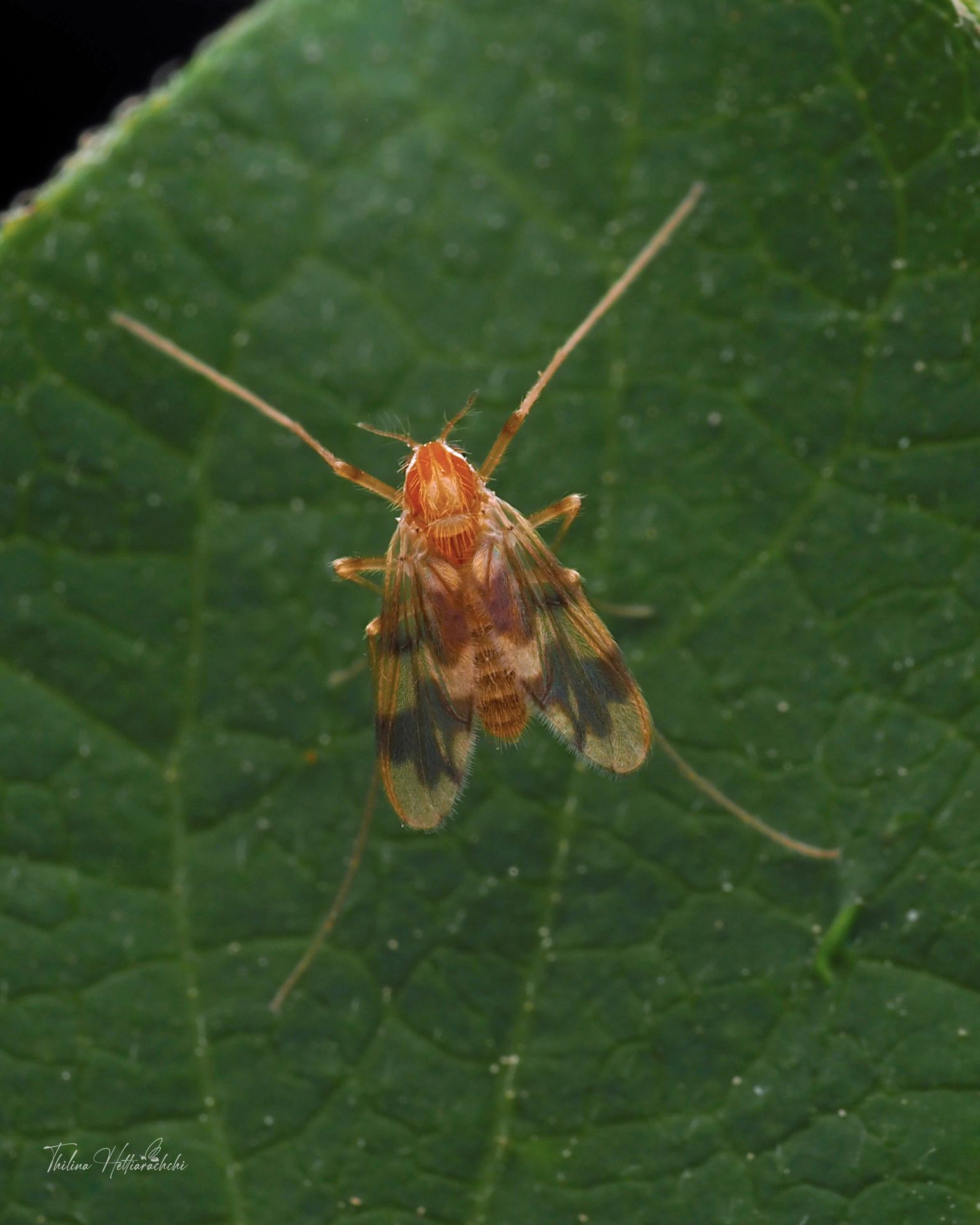
Rheopelopia is a of non-biting midges in the Chironomidae, Tanypodinae. Members are aquatic in their larval stage and belong to the tribe Pentaneurini. The genus was established by Fittkau in 1962. Larvae are generally found in running water .
Pronunciation
How to pronounce Rheopelopia: /ˌriːoʊpəˈloʊpiə/
These audio files are automatically generated. While they are not always 100% accurate, they are a good starting point.
Identification
Rheopelopia larvae can be distinguished from other Tanypodinae by characters of the hypopygium and genitalia in males, and by features of the larval capsule and structure. Specific identification requires microscopic examination of these morphological features. The is part of the Pentaneurini tribe, which can be separated from other Tanypodinae by the reduced or modified ligula of the larva.
Images
Habitat
Larvae inhabit lotic (running water) environments including streams and rivers. They are typically found in association with sandy or gravelly substrates.
Distribution
Recorded from Colombia (Cundinamarca), Denmark, Norway, and Sweden. The has a Holarctic distribution with some representation in the Neotropics.
Life Cycle
As with other Chironomidae, development includes , four larval instars, pupal, and stages. Larvae are aquatic and predatory or . occurs in the aquatic substrate, with adults emerging to mate in aerial swarms.
Ecological Role
Larvae function as or particle-feeders in freshwater stream , contributing to nutrient cycling and serving as prey for larger aquatic and fish.
Similar Taxa
- ThienemannimyiaAlso in tribe Pentaneurini with similar larval preferences; distinguished by differences in genitalia and larval capsule patterns.
- ZavrelimyiaAnother Pentaneurini with lotic larvae; separation requires examination of the larval and structure, as well as hypopygial characters.
More Details
Taxonomic history
The was erected by Ernst Fittkau in 1962 as part of his comprehensive revision of the Tanypodinae. It was separated from the broader concept of Pentaneura sensu lato based on detailed morphological study of male genitalia and larval structures.