
Limnophyes
Eaton, 1875
Species Guides
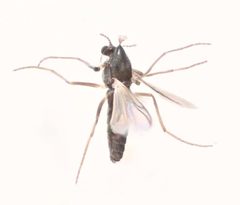
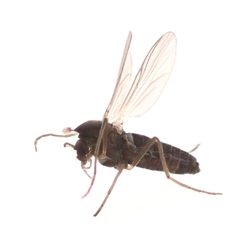
2Limnophyes is a of non-biting midges (Chironomidae) in the Orthocladiinae. occupy diverse aquatic and semi-aquatic including springs, wetlands, and leaf mines. The genus has a Holarctic distribution with some species showing global ranges, and contains approximately 40 described species. Several species exhibit specialized ecological associations, including crenophily (spring-dwelling) and commensal leaf-mining .
Pronunciation
How to pronounce Limnophyes: //lɪmˈnɒfəs//
These audio files are automatically generated. While they are not always 100% accurate, they are a good starting point.
Identification
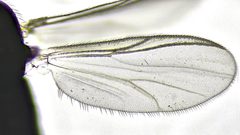
males of some can be distinguished by a shield-like , circular humeral pit with 3-9 setae, and spine-like virga. Pupal may show reduced thoracic horn (nose-like ), domed frontal apotome, and minute hooks on tergites. Species-level identification requires examination of male genitalia and detailed morphological characters; no single field-visible trait distinguishes the from related Orthocladiinae.
Images
Habitat
Diverse aquatic and semi-aquatic : crenophilous (spring-loving) environments in high Alpine regions, herbaceous wetlands, and leaf mines of wetland plants. Some inhabit vacated mines of other chironomids rather than creating original mines.
Distribution
Holarctic distribution with extension to other regions; some (L. minimus, L. natalensis) have nearly global distributions excluding Australasia. Present in Europe (including Scandinavia, Alps, British Isles), North America (Nearctic), and parts of the Indomalaya and Near East regions.
Life Cycle
Holometabolous development with , larval, pupal, and stages. Larval varies by : some are free-living in aquatic environments, others inhabit leaf mines. Specific duration and voltinism patterns are not documented for most species.
Behavior
Larvae of some exhibit commensal by inhabiting vacated leaf mines created by other species (e.g., Metriocnemus erythranthei) rather than excavating their own tunnels. Some species are strictly crenophilous, restricted to spring .
Ecological Role
Larvae contribute to decomposition and nutrient cycling in aquatic and semi-aquatic . As non-biting midges, do not feed and do not serve as biting pests. Some function as secondary occupants of leaf mine .
Human Relevance
No direct economic or medical importance. are non-biting and do not . Some serve as indicators of specific conditions (springs, wetlands) in biomonitoring contexts.
Similar Taxa
- MetriocnemusAlso Orthocladiinae with leaf-mining larvae; Limnophyes viribus specifically inhabits vacated Metriocnemus erythranthei mines. Distinguished by genitalia and larval (original miner vs. secondary occupant).
More Details
Species diversity
The contains approximately 40 described with ongoing taxonomic work; two new Alpine species were described in 2023 (L. knispelae, L. sartorii), and a North American leaf-mining species (L. viribus) was described in 2023.
Ecological specialization
show divergent ecological strategies: some are aquatic insects, while others are highly specialized crenophiles restricted to cold spring environments at high elevations (1800-2600 m in Swiss Alps), or commensal leaf-mine inhabitants.
Sources and further reading
- BugGuide
- Wikipedia
- GBIF taxonomy match
- iNaturalist taxon
- NCBI Taxonomy
- Catalogue of Life
- Limnophyes knispelae sp. n. and L. sartorii sp. n., two new crenophilous species from the Swiss Alps (Chironomidae, Orthocladiinae)
- Metriocnemus erythranthei sp. nov. and Limnophyes viribus sp. nov. (Diptera: Chironomidae: Orthocladiinae): leafminers of monkeyflowers, speedwells, and other herbaceous plants, with new observations on the ecology and habitats of other leaf-mining Chironomidae