Metriocnemus
Van der Wulp, 1874
Species Guides
2- Metriocnemus erythranthei(Monkeyflower Non-biting Midge)
- Metriocnemus eurynotus
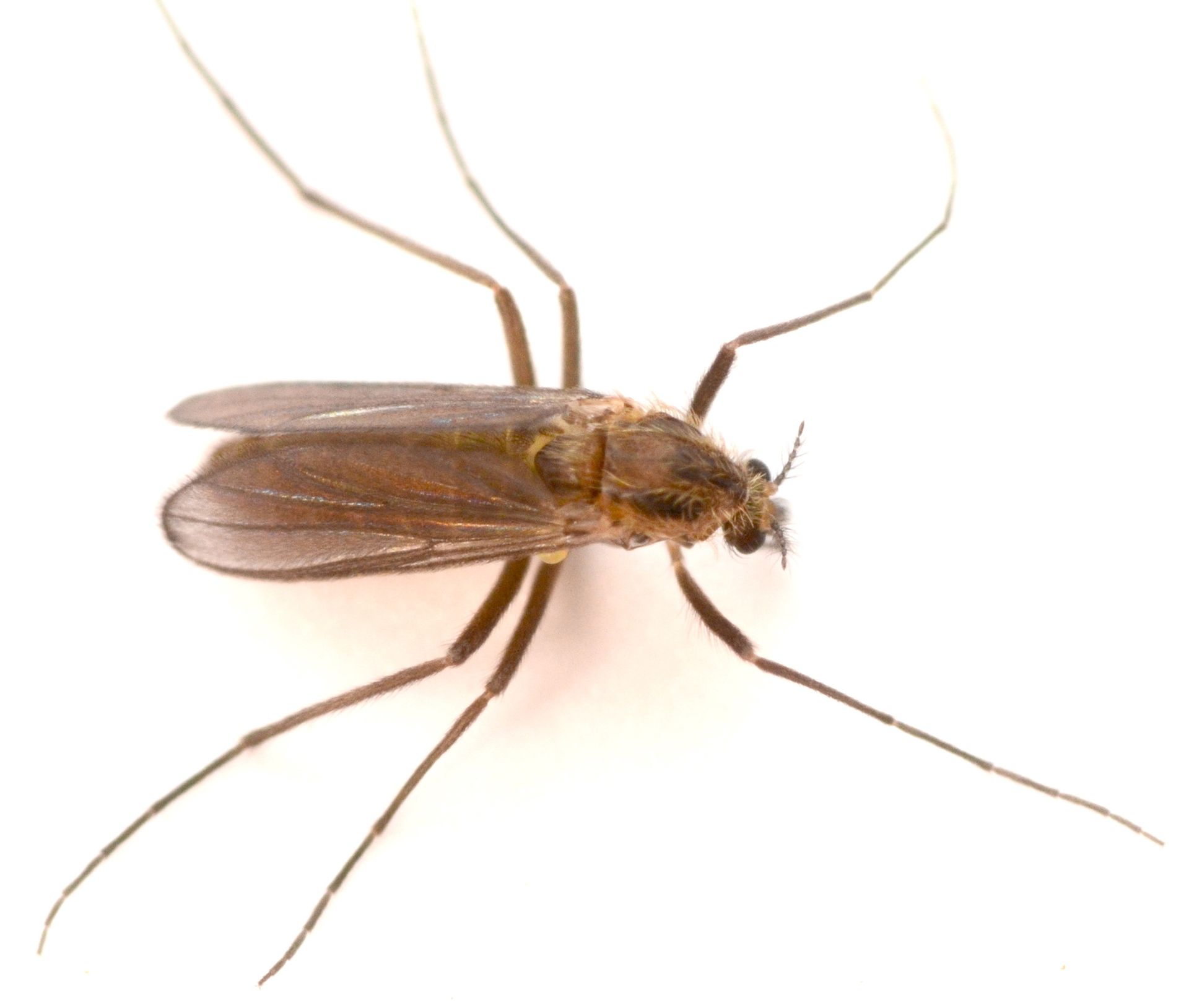
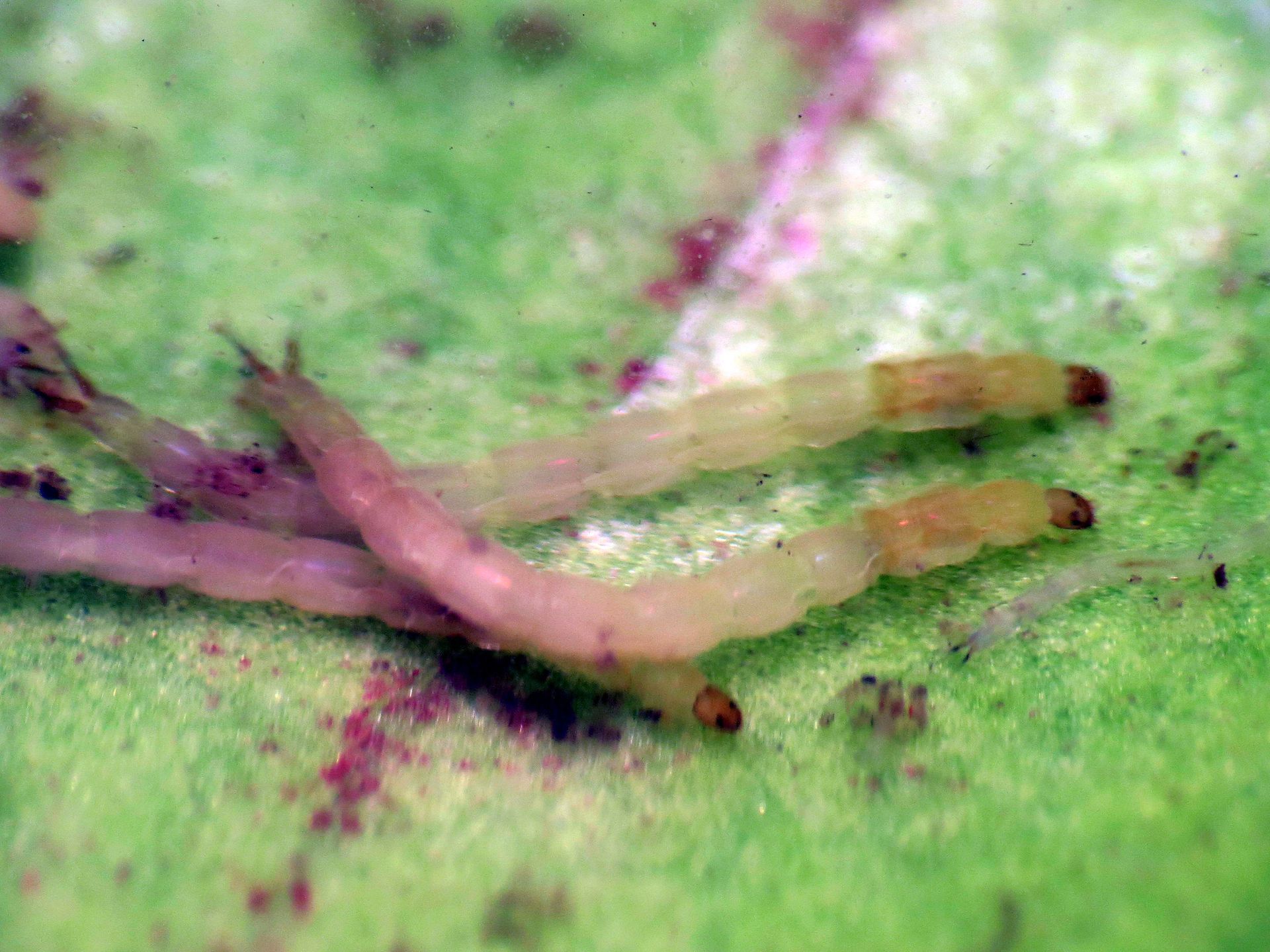
Metriocnemus is a of non-biting midges in the Orthocladiinae of Chironomidae. within this genus exhibit diverse ecological strategies, including specialized associations with pitcher plants, leaf-mining in herbaceous plants, and general aquatic . The genus demonstrates considerable variation, with some species showing freeze , summer , or phenological synchronization with plants.
Pronunciation
How to pronounce Metriocnemus: /mɛˌtrioʊˈnɛmus/
These audio files are automatically generated. While they are not always 100% accurate, they are a good starting point.
Images
Habitat
Highly variable across . Includes: aquatic with fluctuating water levels; pitcher-shaped leaves (phytotelmata) of Sarracenia purpurea; and leaf mines in herbaceous wetland plants including monkeyflowers (Erythranthe), speedwells (Veronica), and other vegetation.
Distribution
Records from Colombia (Cundinamarca), Denmark, Norway, Sweden; North America from Pacific coast to Pennsylvania; The Netherlands; and southeast New Brunswick, Canada.
Seasonality
Variable by . Some species show 2-5 per year with larval development of 19-55 days. Others exhibit cycles with cohorts producing three generations every 2 years. Summer observed in some when water levels drop; winter diapause absent in studied species.
Life Cycle
Multivoltine with considerable variation: 2-5 annually in some ; others show complex cycles with as fourth-instar larvae. Larval development duration ranges from 19-55 days. Some species exhibit summer triggered by hydrological conditions rather than temperature.
Behavior
Some demonstrate freeze and rapid spring synchronized with plant thaw. Leaf-mining species excavate fresh leaf tunnels. between deteriorating and younger host leaves observed in pitcher plant .
Ecological Role
Some function as and , processing captured insect prey and plant detritus. Mutualistic relationships documented with Sarracenia purpurea, where larvae accelerate nutrient mineralization and enhance plant nitrogen acquisition in nutrient-poor bog . Competition with other chironomids influences life-history characteristics in some .
Sources and further reading
- BugGuide
- Wikipedia
- GBIF taxonomy match
- iNaturalist taxon
- NCBI Taxonomy
- Catalogue of Life
- Life cycle of natural populations of Metriocnemus (Inermipupa) carmencitabertarum Langton & Cobo 1997 (Diptera: Chironomidae) in The Netherlands: indications for a southern origin?
- Seasonal dynamics and ecological strategies of the pitcher plant chironomid, Metriocnemus knabi Coq. (Diptera: Chironomidae), in southeast New Brunswick
- Oxygen–fauna relationships in the pitcher plant Sarracenia purpurea L. with reference to the chironomid Metriocnemus knabi Coq.
- Metriocnemus erythranthei sp. nov. and Limnophyes viribus sp. nov. (Diptera: Chironomidae: Orthocladiinae): leafminers of monkeyflowers, speedwells, and other herbaceous plants, with new observations on the ecology and habitats of other leaf-mining Chironomidae