Glyptotendipes
Kieffer, 1913
non-biting midges
Species Guides
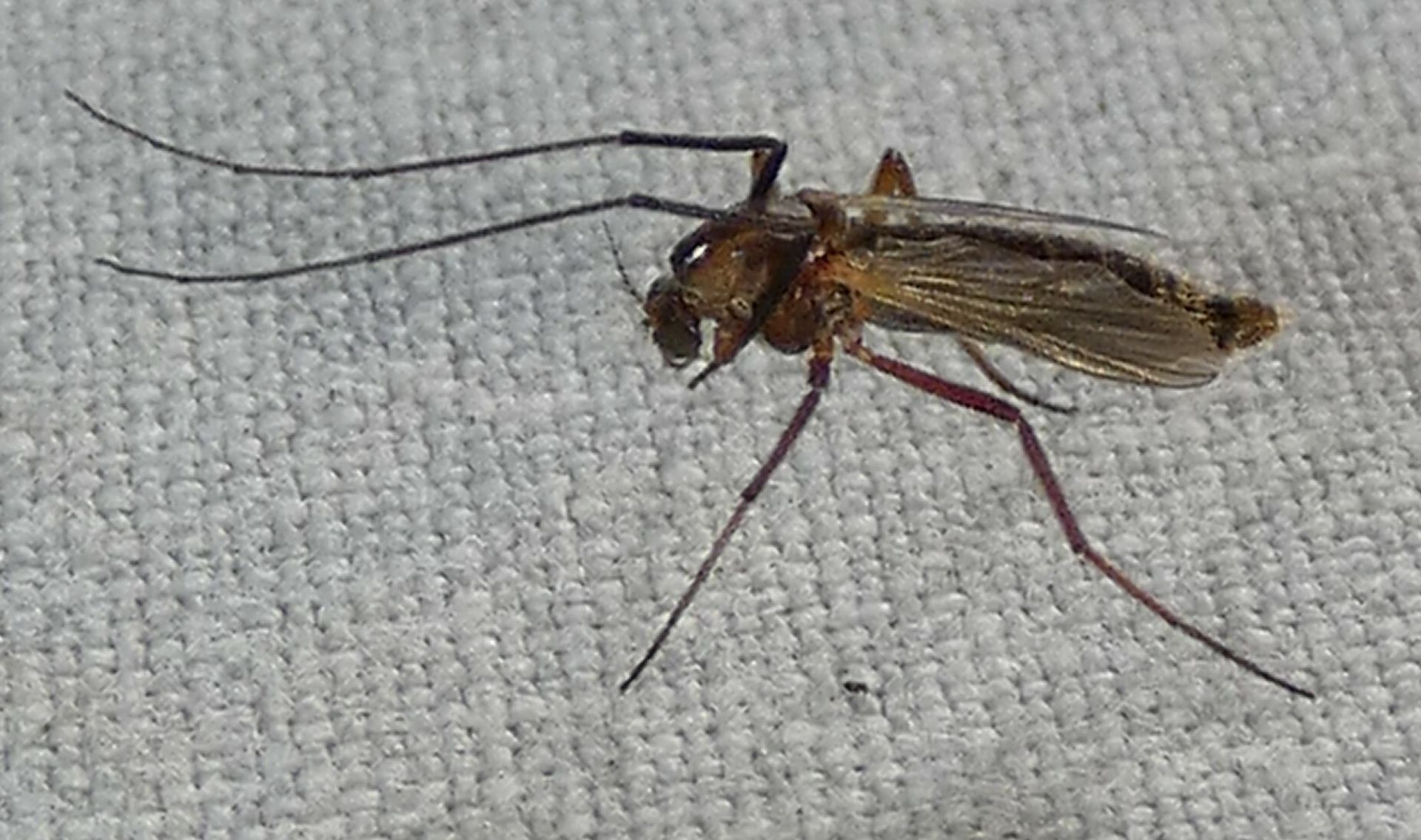
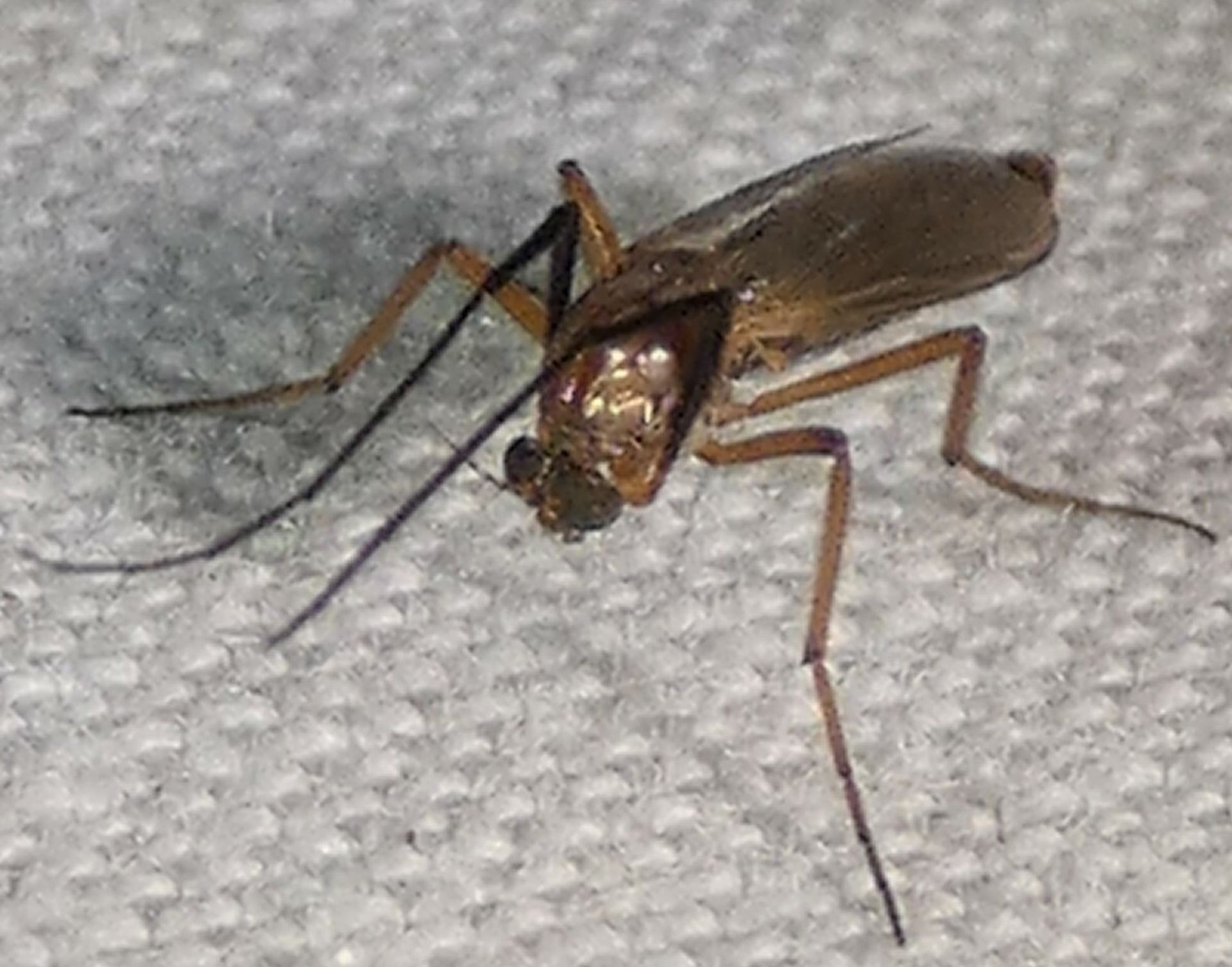
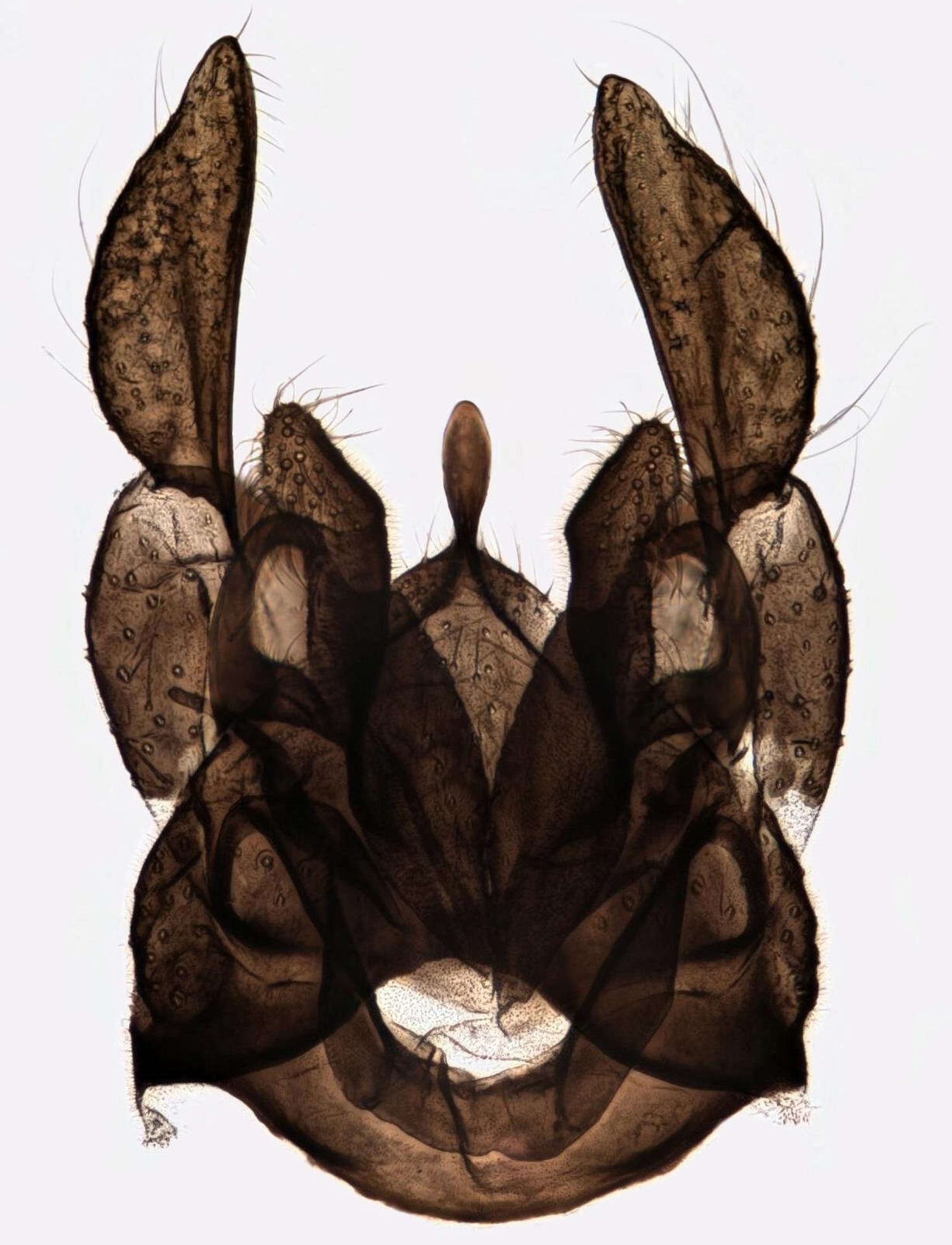
3Glyptotendipes is a of non-biting midges in the Chironominae of the bloodworm Chironomidae. The genus comprises approximately 27 described distributed across the Holarctic region. Larvae are aquatic and construct fixed retreats or tubes, with some species exhibiting territorial defensive . are typically , with as mature larvae. The genus has been subject to detailed cytogenetic study, revealing species-specific rearrangements.
Pronunciation
How to pronounce Glyptotendipes: /ɡlɪptoʊtɛnˈdaɪpiːz/
These audio files are automatically generated. While they are not always 100% accurate, they are a good starting point.
Identification
Larvae can be distinguished from other by specific morphological features including the maxillary structure ( and maxillary palp), a long plate situated below the ventromental plate, and plate X located between lacinia and . Cytogenetic analysis reveals characteristic karyotypes (2n = 8 in studied ) with species-specific rearrangements that can aid identification. require examination for reliable identification to species level.
Images
Habitat
Aquatic freshwater environments including ponds, lakes, and slow-moving waters. Larvae construct tubes or fixed retreats on substrates, often associated with periphyton or diatom-covered surfaces. Some occur in salt-affected waters (e.g., G. salinus in saltwater lake environments).
Distribution
Holarctic distribution with records from Europe (including Scandinavia, Germany, Poland), Asia (Russia including Altai region, Kazakhstan, Caucasus, China, Japan), and North America (Canada, USA). Specific show more restricted ranges; for example, G. salinus occurs in the Caucasus region and Central Asia, G. paripes in Canadian prairie ponds, and G. tokunagai in Japan.
Seasonality
and oviposition primarily during spring (May in temperate regions). Larval growth concentrated during late summer to autumn (August–October in studied ), with as mature fourth instar larvae.
Diet
Larvae are filter-feeders or grazers. G. paripes feeds on sestonic particles including phytoplankton (Aphanizomenon, diatoms). G. lobiferus grazes periphyton, specifically diatoms. Filter-feeding is indicated by tube structure and larval behavior.
Life Cycle
with as mature fourth instar larvae. , , and oviposition occur primarily in spring. Majority of larval growth occurs during the fourth instar stage. Non-synchronous development has been observed within single masses under laboratory conditions, resulting in variable larval sizes and emergence times.
Behavior
Larvae exhibit territorial defensive against intruders at high densities. Defensive sequence includes: (1) positioning near intruder, (2) lateral abdominal contractions, and (3) partial exit to bite if disturbance persists. Abdominal contractions alone deter approximately 50% of intruders; inhabitants successfully defend tubes in 80% of encounters. Tube construction and occupation behavior creates aggregated or random spatial distributions at densities of 2,500–8,000 individuals per square meter.
Ecological Role
Secondary producers in freshwater . Larval grazing on periphyton and filter-feeding on phytoplankton links to higher . Production levels correlate with phytoplankton availability. Part of benthic in ponds and lakes.
Similar Taxa
- ChironomusBoth are tube-building larvae, but Glyptotendipes are filter-feeders or periphyton grazers rather than deposit-feeders, and exhibit distinct territorial defensive not reported in Chironomus.
- PolypedilumBoth belong to Chironominae, but Glyptotendipes larvae construct fixed retreats with specific defensive and have distinct maxillary including the characteristic plate X between and .
More Details
Cytogenetic significance
The has been extensively studied cytogenetically, with showing 2n = 8 karyotypes and specific rearrangements. G. aequalis and G. caulicola differ by a simple step. The Caucasian of G. salinus shows four unique chromosome rearrangements and reduced larval size compared to Altai and Kazakhstan populations, suggesting significant divergence or possible status.
Sources and further reading
- BugGuide
- Wikipedia
- GBIF taxonomy match
- iNaturalist taxon
- NCBI Taxonomy
- Catalogue of Life
- Uncategorized | Blog - Part 2
- Larva of Glyptotendipes (Glyptotendipes) glaucus (Meigen 1818) (Chironomidae, Diptera)—morphology by Scanning Electron Microscope (SEM), karyotype, and biology in laboratory conditions
- Spatial distribution and larval behavior of Glyptotendipes lobiferus (Diptera: Chironomidae)
- The life-history, distribution, and production of Chironomus riparius and Glyptotendipes paripes in a prairie pond
- The karyotype, morphology and ecology of <i>Glyptotendipes aequalis</i> Kieffer (Diptera, Chironomidae)
- The complete mitochondrial genome of Glyptotendipes tokunagai (Arthropoda; Insecta; Diptera; Chironomidae).
- First report of the complete mitochondrial genome of Glyptotendipes pallens (Meigen, 1804) (Diptera: Chironomidae) from Hebei Province, China.