Glyptotendipes testaceus
Townes, 1945
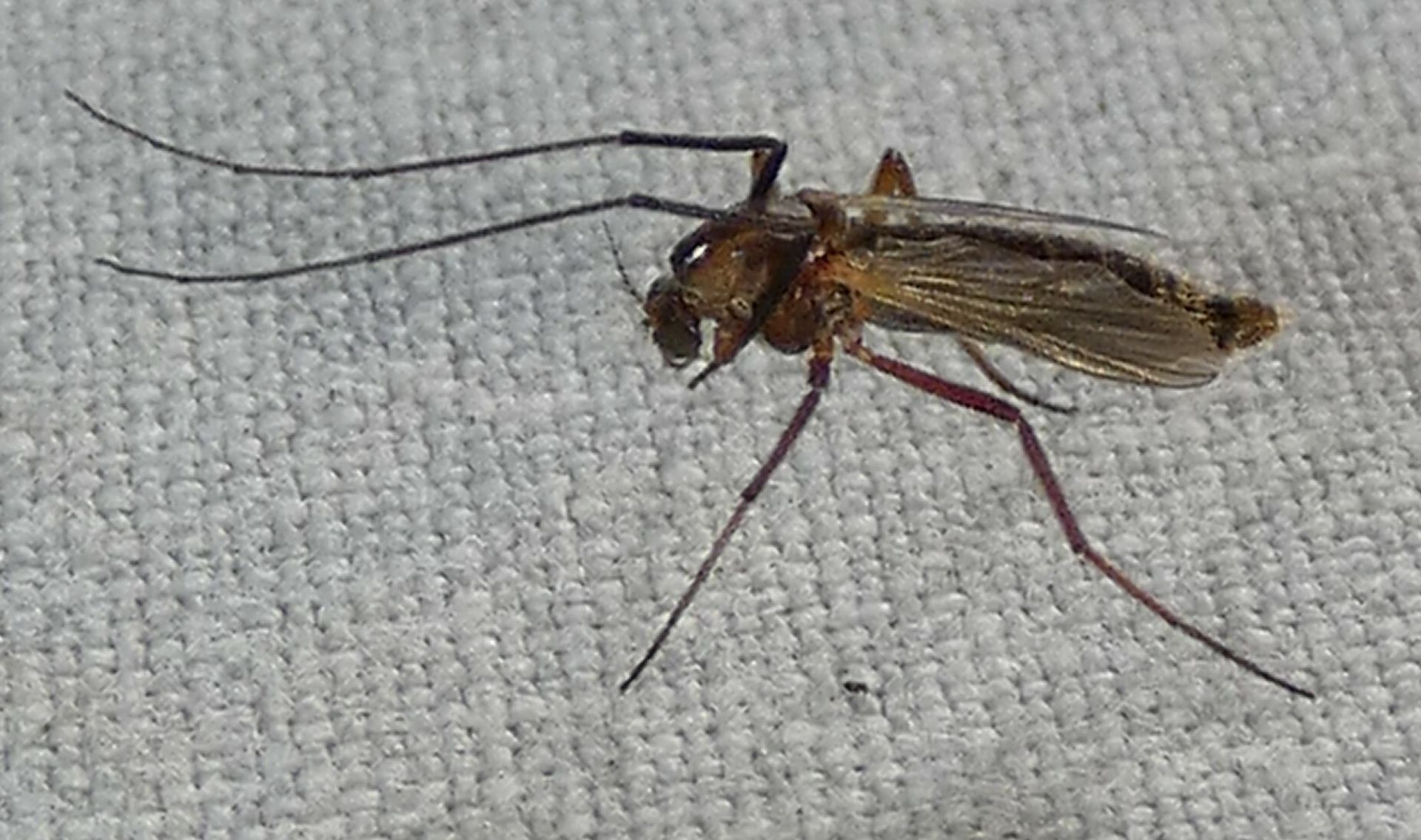
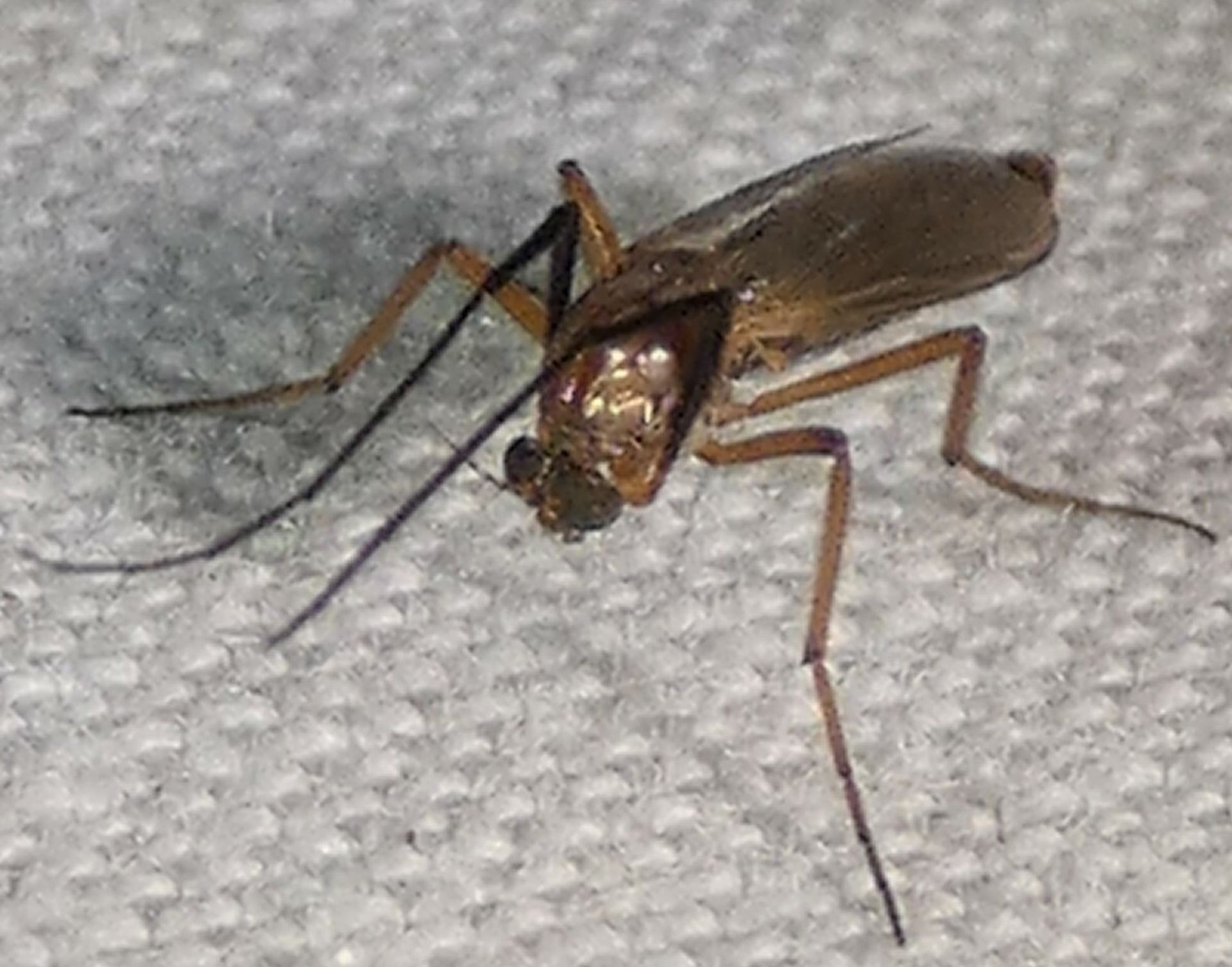
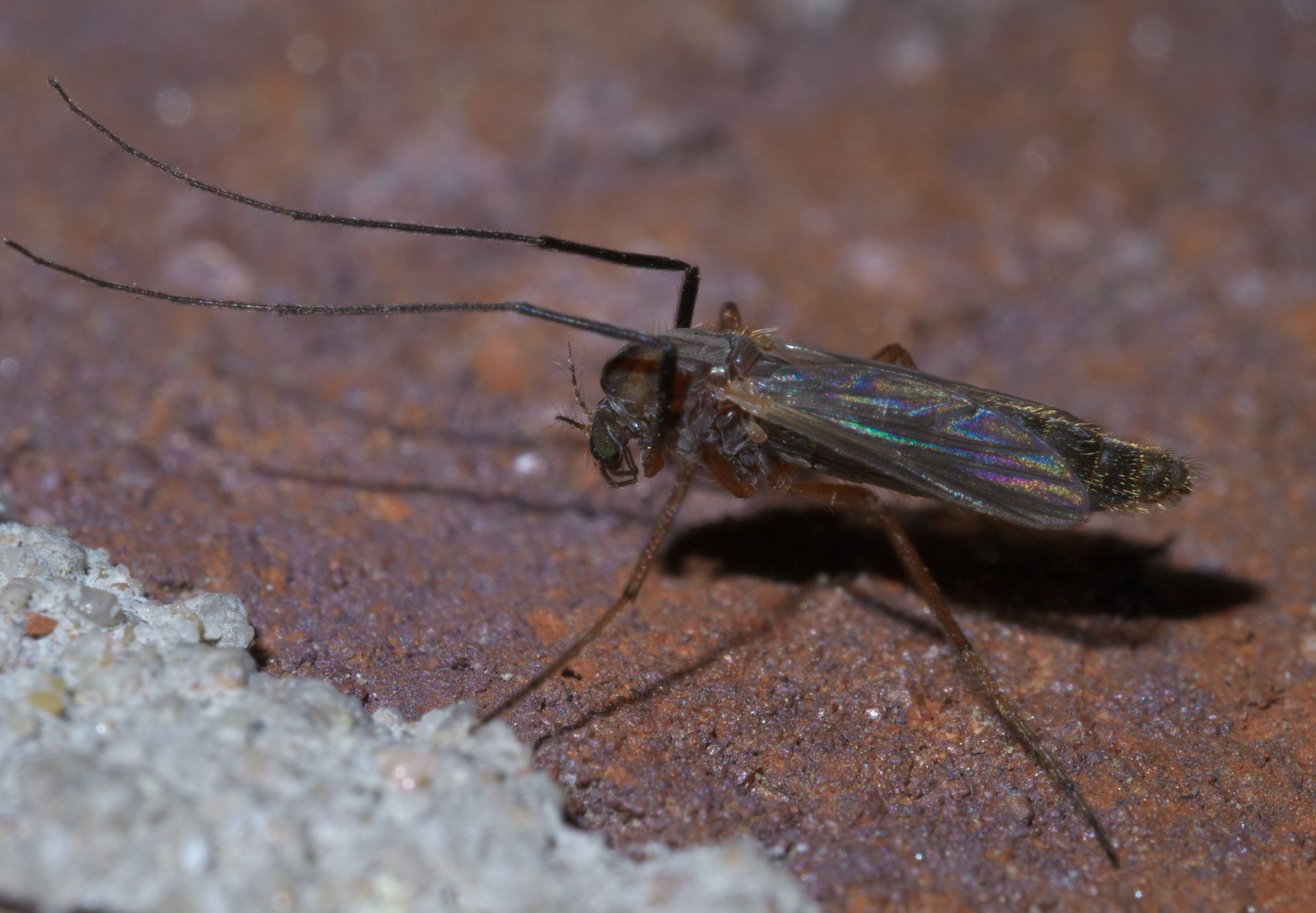
Glyptotendipes testaceus is a of non-biting midge in the Chironomidae, first described by Townes in 1945. It belongs to the Chironominae and tribe Chironomini. The species is part of a of aquatic whose larvae inhabit various freshwater environments. As with other chironomids, the includes , larval, pupal, and stages, with larvae being the predominant and ecologically significant life stage.
Pronunciation
How to pronounce Glyptotendipes testaceus: //ˌɡlɪptoʊˈtɛndɪpiːz tɛˈsteɪsiəs//
These audio files are automatically generated. While they are not always 100% accurate, they are a good starting point.
Images
Life Cycle
, including Glyptotendipes , have a complete consisting of four stages: , larva, pupa, and . Larvae are aquatic and typically the longest-lived stage, often spending weeks to months in freshwater before pupating. Adults are short-lived, emerging to mate and disperse. Specific timing and duration of stages for G. testaceus have not been documented.
Ecological Role
Larvae of Glyptotendipes are important components of freshwater , serving as prey for fish and other aquatic . They contribute to nutrient cycling in aquatic through their feeding activities and bioturbation of sediments. As a group, chironomids are significant indicators of water quality and ecological conditions in lentic and lotic .
More Details
Taxonomic Note
Glyptotendipes testaceus was described by Townes in 1945. Some sources list this name as a synonym, though GBIF treats it as an accepted . The species is placed in the subgenus Phytotendipes within Glyptotendipes.
Data Availability
As of available records, there are 211 iNaturalist observations for this , though detailed biological information remains limited in published literature. Most available information derives from general knowledge of the Glyptotendipes and Chironomidae rather than -specific studies.