
Endochironomus
Kieffer, 1918
Species Guides
2Endochironomus is a of non-biting midges in the bloodworm Chironomidae. The genus was established by Kieffer in 1918 and contains at least six described distributed across Europe and North America. Members belong to the Chironominae and tribe Chironomini. As with other , do not feed and lack functional mouthparts.
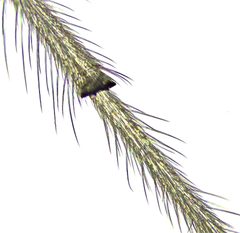
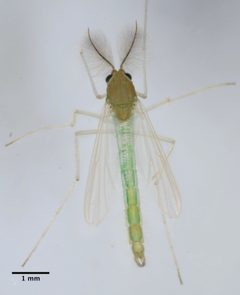
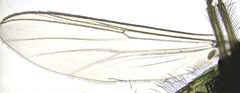
Pronunciation
How to pronounce Endochironomus: /ˌɛndoʊˌkaɪrəˈnoʊməs/
These audio files are automatically generated. While they are not always 100% accurate, they are a good starting point.
Images
Habitat
Aquatic or semi-aquatic environments; larvae develop in freshwater typical of chironomine .
Distribution
Europe and North America. Specific country records include Denmark, Norway, and Sweden.
Life Cycle
Complete with , larval, pupal, and stages. Larval development occurs in aquatic environments.
Ecological Role
Larvae function as and contribute to nutrient cycling in freshwater . serve as food sources for various including birds, bats, and aquatic insects.
Human Relevance
Non-biting midges do not transmit or bite humans. May occur in nuisance near water bodies.
Similar Taxa
- ChironomusBoth are chironomine with reduced mouthparts; distinguished by genitalic and larval morphological characters requiring examination.
- PolypedilumOverlaps in and general appearance; separation relies on detailed examination of and pupal respiratory organs.
More Details
Species diversity
Six are formally recognized: E. albipennis (Meigen, 1830), E. nigricans (Johannsen, 1905), E. oldenbergi Goetghebuer, 1932, E. stackelbergi Goetghebuer, 1935, E. subtendens (Townes, 1945), and E. tendens (Fabricius, 1775).