
Oscinellinae
grass flies
Genus Guides
25- Calamoncosis(frit flies)
- Ceratobarys
- Chaetochlorops(frit flies)
- Conioscinella
- Dasyopa
- Dicraeus
- Elachiptera(frit flies)
- Eribolus(frit flies)
- Eugaurax(frit flies)
Oscinellinae is a of frit flies ( Chloropidae) comprising at least 40 and approximately 180 described . Members are commonly known as grass flies and are associated primarily with monocotyledonous plants, with some species acting as secondary invaders of other plants. The subfamily has been documented engaging in kleptoparasitic , feeding on fluids from prey captured by predatory insects. Species are distributed across multiple continents with documented records from Russia, Argentina, and other regions.
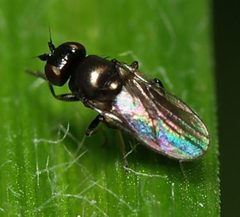
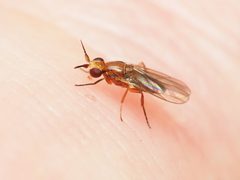
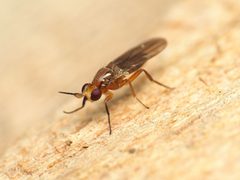
Pronunciation
How to pronounce Oscinellinae: //ˌɒsɪˈnɛlɪniː//
These audio files are automatically generated. While they are not always 100% accurate, they are a good starting point.
Images
Habitat
Associated with grasslands, agricultural fields, and areas dominated by monocotyledonous vegetation. Documented in soybean fields in Argentina and various in Voronezh province, Russia. Some exhibit kleptoparasitic associations with predatory insects in open agricultural and natural habitats.
Distribution
Widespread distribution with documented records from Russia (Voronezh province), Argentina (Buenos Aires Province, Chaco Province, Corrientes Province), and likely present across multiple continents given the nature of the Chloropidae.
Diet
Larvae primarily feed on monocotyledonous plants; some are secondary invaders of non-monocot plants. have been observed engaging in kleptoparasitism, feeding on fluids from prey captured by predatory insects such as assassin bugs (Reduviidae) and spiders.
Host Associations
- monocots - primary larval development
- plants (secondary) - secondary two identified as secondary invaders
- predatory insects - kleptoparasitic association feed on fluids from prey captured by reduviids and spiders
Life Cycle
Larval development occurs within plants, primarily monocots. Specific details on and patterns are not documented in available sources.
Behavior
exhibit kleptoparasitic , aggregating around predatory insects (particularly assassin bugs and spiders) and their prey to feed on fluids. This behavior involves chemical attraction to defensive secretions released by heteropteran prey such as stink bugs (Pentatomidae) and leaf-footed bugs (Coreidae).
Ecological Role
Primary consumers as larvae, feeding on plant tissues. function as kleptoparasites in , exploiting resources from -prey interactions. May serve as indicators of predator activity and prey availability in agricultural and natural .
Human Relevance
Some are associated with agricultural crops, including soybeans. The has been studied for its plant relationships in agricultural contexts in Russia. No direct economic impact documented, though larval feeding on monocots may have minor agricultural significance.
Similar Taxa
- MilichiidaeBoth exhibit kleptoparasitic , often found together at -prey events; distinguished by family-level morphological characters of Chloropidae vs. Milichiidae
- DrosophilidaeSimilar small size and brown coloration in some ; distinguished by wing venation and antennal structure characteristic of Chloropidae
More Details
Kleptoparasitism documentation
Oscinellinae is one of the few chloropid with documented kleptoparasitic . This was first noted in observations from Argentina where in this subfamily were found aggregating with milichiid flies around an assassin bug (Apiomerus flavipennis) feeding on a (Piezodorus guildinii). The attraction appears chemically mediated, specifically responsive to defensive secretions from pentatomid and coreid prey.
Research gaps
plant data remains incomplete for most ; the Russian study expanded records for only 25 of approximately 180 described species. Larval and specific plant associations are poorly known for the majority of .