
Pnyxia
Johannsen, 1912
dark-winged fungus gnats
Species Guides
1- Pnyxia scabiei(potato scab gnat)
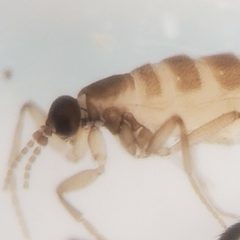
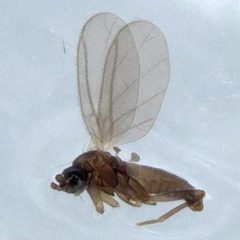
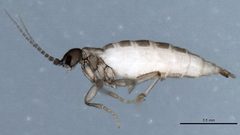
Pnyxia is a of dark-winged fungus gnats in the Sciaridae, established by Johannsen in 1912. The genus contains at least four described , including Pnyxia scabiei, commonly known as the potato scab gnat. Members of this genus are small, delicate flies typically associated with moist, decomposing organic matter. The genus is part of a diverse family of fungus gnats whose larvae often feed on fungal mycelia and decaying plant material.
Pronunciation
How to pronounce Pnyxia: /ˈpnɪksiə/
These audio files are automatically generated. While they are not always 100% accurate, they are a good starting point.
Identification
Pnyxia can be distinguished from other Sciaridae by subtle morphological features of the , wing venation, and male genitalia, though specific diagnostic characters require examination. The genus is morphologically similar to other dark-winged fungus gnat genera, and accurate identification to species level typically requires reference to original descriptions and taxonomic revisions by Menzel and Mohrig.
Images
Habitat
associations are poorly documented for most Pnyxia . Pnyxia scabiei has been recorded in association with potato , suggesting a connection to agricultural soils and root zones. As with other Sciaridae, species likely inhabit moist environments rich in organic decomposition, including soil, leaf litter, and decaying vegetation.
Distribution
Documented distributions include: Pnyxia scabiei (North America, associated with potato-growing regions); Pnyxia schmallenbergensis (Germany, type locality Schmallenberg); Pnyxia thaleri (distribution unclear, described from former USSR region). Overall distribution is poorly characterized due to limited sampling and taxonomic study.
Host Associations
- Solanum tuberosum - associated withPnyxia scabiei 'potato scab gnat' suggests association with potato , though exact nature of relationship (pest, saprophage, or incidental) is not clearly documented
Ecological Role
As members of Sciaridae, Pnyxia likely function as decomposers in soil and litter , with larvae contributing to nutrient cycling through consumption of fungal mycelia and decaying organic matter. Their ecological role has not been specifically studied.
Human Relevance
Pnyxia scabiei has been noted in agricultural contexts due to its 'potato scab gnat,' though its actual impact as a crop pest is unclear and may be incidental rather than causative of potato scab (caused by bacterial Streptomyces ). No other documented human interactions.
Similar Taxa
- SciaraLarge of dark-winged fungus gnats with similar general ; distinguished by antennal structure and male genitalic characters
- BradysiaCommon and diverse sciarid ; separation from Pnyxia requires examination of wing venation details and hypopygial structure
More Details
Taxonomic history
The was established by O.A. Johannsen in 1912. -level has been revised by Menzel and Mohrig, with Pnyxia schmallenbergensis described in 1998. The epithet 'schmallerbergensis' appears to be a subsequent misspelling in some databases.
Research status
Pnyxia is among the many understudied sciarid . The iNaturalist observation count of 6 records and absence of distribution records in GBIF indicate this genus is rarely encountered or reported, possibly due to small size, identification difficulty, or genuinely restricted distributions.