
Pnyxia scabiei
(Hopkins, 1895)
potato scab gnat
Pnyxia scabiei, commonly known as the potato scab gnat, is a of dark-winged fungus gnat in the Sciaridae. The species was first described by Hopkins in 1895. Very little is documented about its or beyond its taxonomic placement.
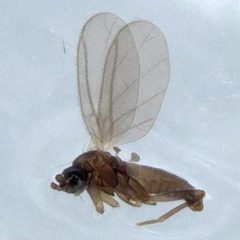
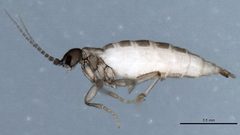
Pronunciation
How to pronounce Pnyxia scabiei: //ˈnɪksi.ə ˈskeɪbi.aɪ//
These audio files are automatically generated. While they are not always 100% accurate, they are a good starting point.
Identification
Images
Distribution
Distribution records indicate presence in Norway (NO).
Host Associations
- potato - suggests associationThe 'potato scab gnat' implies a connection to potato plants, but the nature of this association (whether as a pest, inhabitant of potato-growing environments, or otherwise) is not documented in available sources.
Similar Taxa
- Bradysia spp.Other sciarid gnats that share the general 'dark-winged fungus gnat' ; separation requires examination of genitalia and wing venation details.
- Sciara spp.Large of Sciaridae with overlapping morphological features; Pnyxia typically distinguished by specific wing and genitalic characters.
More Details
Data scarcity
Available sources provide only taxonomic placement and . No peer-reviewed literature or detailed accounts were found describing , , or of Pnyxia scabiei specifically.