
Corynoptera
Winnertz, 1867
fungus gnats
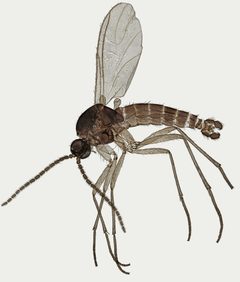
Corynoptera is a of fungus gnats in the Sciaridae, comprising approximately 123 described in the Holarctic region. The genus has undergone extensive taxonomic revision, with 50 new species described in a 2010 review and numerous nomenclatural changes including restored valid species and new synonymies. Species occur across Europe, Asia, and North America, with records extending to Nepal, Morocco, and Sri Lanka.
Pronunciation
How to pronounce Corynoptera: //ˌkɔrɪˈnɒptərə//
These audio files are automatically generated. While they are not always 100% accurate, they are a good starting point.
Identification
Identification relies on microscopic examination of morphological characters, particularly male genitalia structures. The 2010 revision by Hippa, Vilkamaa, and Mohrig provides comprehensive diagnostic features and identification keys for Holarctic . Specific characters distinguishing Corynoptera from related sciarid include details of the hypopygium and chaetotaxy, though these require taxonomic expertise.
Images
Distribution
Holarctic distribution with records from: Europe (Spain, Greece, Italy, Germany, Sweden, Czech Republic, Finland, Austria, Portugal, Canary Islands); Asia (Japan, Nepal, Russia including Primorsk region, Altay region, Yamal Peninsula, Krasnodar region, Sri Lanka); North America (Canada: Quebec, British Columbia, Ontario; USA: California, Alaska); and North Africa (Morocco). Additional records from Ukraine and Hungary.
Similar Taxa
- BradysiaAnother large in Sciaridae; distinguished by genitalic and chaetotaxy patterns, though definitive separation requires expert examination
- Sciaridae (family level)Corynoptera is nested within Sciaridae; other sciarid share general fungus gnat and require detailed study for separation
More Details
Taxonomic history
The Corynoptera Winnertz, 1867 has been subject to significant taxonomic revision. The 2010 Zootaxa review established Corynoptera sensu stricto, restricting the genus to 123 Holarctic and excluding tropical species previously assigned to it. This revision restored C. consumpta, C. defecta, C. dubitata, and C. arboris as valid species, and established five new synonymies. Lectotypes were designated for eight nominal species to stabilize .
Species diversity
The contains substantial undescribed diversity; the 2010 revision alone described 50 new , indicating previous underestimation of in this morphologically cryptic genus.