
Caryomyia shmoo
Gagné, 2008
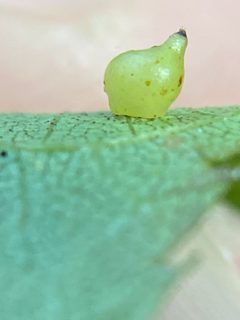
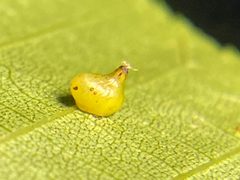
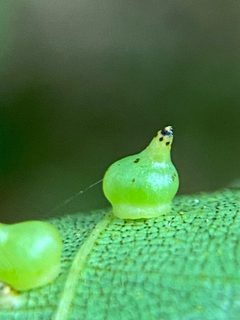
Caryomyia shmoo is a of gall midge in the Cecidomyiidae, described by Gagné in 2008. Like other members of the Caryomyia, it is associated with hickory trees (Carya species), inducing distinctive galls on leaves. The species name references the Shmoo cartoon character, alluding to the gall's shape. It is one of approximately 20 described species in this genus, all of which are North American on Carya.
Pronunciation
How to pronounce Caryomyia shmoo: /ˌkɛəriːoʊˈmaɪə ˈʃmuː/
These audio files are automatically generated. While they are not always 100% accurate, they are a good starting point.
Identification
in Caryomyia are distinguished primarily by gall on hickory leaves rather than fly characteristics. C. shmoo galls are known to be distinct from , though specific diagnostic features require examination of the gall structure. Adult are small (2-4 mm), with reduced wing venation characteristic of Cecidomyiidae. Definitive identification relies on association with the specific gall type and plant.
Images
Habitat
Deciduous forests and woodlands where hickory trees (Carya ) occur. The species is directly tied to hickory presence, as the larvae develop within leaf galls.
Distribution
Eastern North America, following the range of its hickory plants. Specific state/province records are limited in published literature.
Seasonality
coincides with hickory leaf development in spring. Galls are visible on leaves from late spring through summer, with larval development completed before leaf .
Host Associations
- Carya - gall inductionHickory trees; specific not definitively documented in primary literature
Life Cycle
Has been observed to follow the typical Caryomyia pattern: laid on hickory leaves; larvae induce gall formation and feed within; occurs in soil; emerge the following spring. Specific timing details for this are not separately documented.
Ecological Role
As a gall inducer, creates microhabitats on hickory leaves that may be used by and . The ecological impact on trees is generally minimal.
Human Relevance
No documented economic or medical significance. Occasionally noticed by naturalists and gall enthusiasts due to distinctive gall .
Similar Taxa
- Caryomyia caryaecolaAlso induces galls on hickory leaves; distinguished by gall shape and structure
- Caryomyia tubicolaHickory leaf gall former with tubular gall differing from C. shmoo
More Details
Etymology
The specific epithet 'shmoo' references the Shmoo, a fictional creature from Al Capp's Li'l Abner comic strip, apparently alluding to the gall's rounded, distinctive shape.