
Caryomyia albipilosa
Gagné, 2008
Hickory White-haired Gall Midge
Caryomyia albipilosa is a gall midge described by Gagné in 2008. It belongs to the Caryomyia, a group of cecidomyiids associated with hickory trees (Carya spp.). The species is known from limited observations, with 75 records on iNaturalist as of the source data. Like other members of its genus, it likely induces gall formation on hickory foliage or stems, though specific gall has not been widely documented.
Pronunciation
How to pronounce Caryomyia albipilosa: /ˌkæɹioʊˈmaɪə ˌælbɪˈpaɪloʊsə/
These audio files are automatically generated. While they are not always 100% accurate, they are a good starting point.
Identification
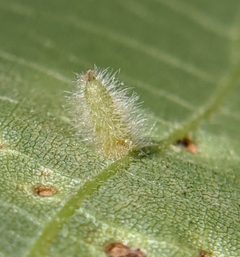
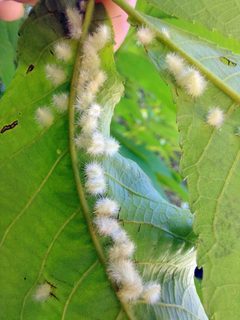
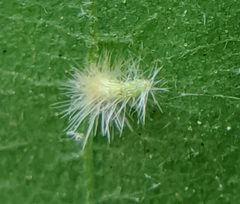
Distinguished from other Caryomyia by specific morphological features described in the original description (Gagné, 2008), though detailed diagnostic characters are not widely published. The specific epithet "albipilosa" (white-haired) suggests distinctive pilosity that may aid separation from . Identification to species level requires examination of specimens and reference to taxonomic literature.
Images
Habitat
Associated with hickory-dominated forests and woodlands where Carya occur. Specific microhabitat preferences are not documented.
Distribution
Distribution details are sparse; observations suggest presence in eastern North America where hickory are native. Precise range boundaries are undefined.
Seasonality
activity timing is not documented. Gall midge typically corresponds with plant , likely spring to early summer.
Host Associations
- Carya - -level association inferred from Caryomyia genus ; specific unconfirmed for C. albipilosa
Ecological Role
As a gall-forming insect, induces plant tissue modification on hickory. Specific ecological impacts are unstudied.
Similar Taxa
- Caryomyia caryaecolaAnother hickory-associated gall midge; separation requires morphological examination and reference to taxonomic keys
- Caryomyia tubicolaHickory stem gall midge; similar association but distinct gall and characters
More Details
Taxonomic recency
Described in 2008, this is a relatively recently recognized . Limited biological data reflects its recent description and taxonomic focus.