
Thevenetimyia
Bigot, 1875
Species Guides
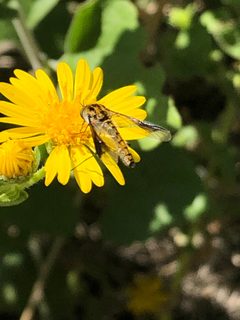
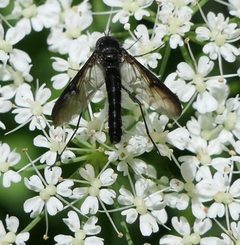
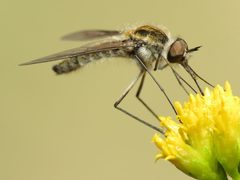
19Thevenetimyia is a of bee flies ( Bombyliidae) containing over 40 described . The genus has a broad distribution, with the majority of species occurring in North America and additional representatives in Australia and Southeast Asia. Species in this genus are , with larvae developing in the nests of other insects. are known to visit flowers for nectar.
Pronunciation
How to pronounce Thevenetimyia: /ˌθevəˈnɛtɪˌmaɪə/
These audio files are automatically generated. While they are not always 100% accurate, they are a good starting point.
Identification
Thevenetimyia can be distinguished from other bee fly by a combination of wing venation patterns and body proportions characteristic of the tribe Eclimini. Specific identification to species level requires examination of morphological details such as facial structure and abdominal patterning. The genus lacks the extremely long seen in some other bee fly genera.
Images
Habitat
occupy diverse terrestrial across their range, including open woodlands, grasslands, and scrublands. Specific microhabitat preferences vary by species, with often found in areas with abundant flowering plants.
Distribution
Widespread distribution with highest diversity in North America. Additional occur in Australia and Southeast Asia. Records exist from the United States including Vermont.
Seasonality
activity periods vary by and geographic location. In temperate North American regions, adults are most commonly observed during spring and summer months.
Diet
feed on nectar from flowers. Larvae are that develop within the nests of other insects, likely feeding on the larvae or provisions of bees or .
Life Cycle
Complete with , larva, pupa, and stages. Females deposit eggs near or into nests. Larvae are , developing inside host nests. Specific host associations and developmental details vary among and remain incompletely documented for many .
Behavior
are and frequently observed hovering at or visiting flowers. Like other bee flies, they are agile fliers. Mating and specific adult activity patterns are poorly documented.
Ecological Role
serve as while visiting flowers for nectar. Larvae function as , potentially regulating of ground-nesting bees and .
Human Relevance
No direct economic importance. Occasionally observed and photographed by naturalists. Some may be encountered in gardens and natural areas during periods.
Similar Taxa
- ExoprosopaAnother large bee fly with similar overall appearance; Thevenetimyia generally lacks the bold wing patterning common in many Exoprosopa
- BombyliusShares the bee fly body plan but typically has a more elongated and different wing venation; Thevenetimyia often appear more compact
More Details
Taxonomic History
The was established by Bigot in 1875. It is classified within the tribe Eclimini, Bombyliinae. The large number of (over 40) suggests substantial morphological diversity within the genus.
Research Needs
associations are poorly known for most . details, including specific relationships and larval development, require further study. Southeast Asian and Australian species are particularly understudied relative to North American .