
Aphoebantini
Becker, 1913
Genus Guides
4- Aphoebantus(bee flies)
- Epacmus
- Eucessia
- Exepacmus
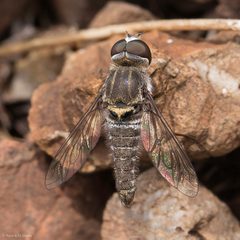
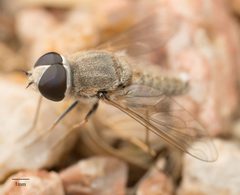
Aphoebantini is a tribe of bee flies ( Bombyliidae) comprising approximately 5 and at least 80 described . Members are classified within the Anthracinae. The tribe includes genera such as Aphoebantus, Cononedys, Epacmus, Eucessia, and Pteraulax. As with other bee flies, likely function as and larvae are presumed , though specific remain poorly documented for most species.
Pronunciation
How to pronounce Aphoebantini: /æˌfoʊbəˈntɪnaɪ/
These audio files are automatically generated. While they are not always 100% accurate, they are a good starting point.
Identification
Aphoebantini are distinguished from other Bombyliidae tribes by combinations of wing venation patterns, body proportions, and antennal structure. Diagnostic features include specific arrangements of in the wing and modifications to the capsule. Precise identification to level requires examination of male genitalia and other microscopic characters.
Images
Distribution
of Aphoebantini occur across multiple continents, with documented presence in North America, Europe, and Africa. Distribution patterns vary by : Aphoebantus and Epacmus are primarily Nearctic, while Pteraulax and Pteraulacodes are known from southern Africa.
Ecological Role
Aphoebantini function as through nectar feeding at flowers. Larval stages are presumed of other insects, consistent with the of Bombyliidae generally, though specific records are sparse.
Similar Taxa
- AnthraciniAlso placed in Anthracinae; distinguished by different wing venation and body proportions
- VilliniAnother Anthracinae tribe; differs in antennal structure and leg
More Details
Taxonomic history
The tribe was established by Becker in 1913. The number of recognized has fluctuated, with some sources listing 5 genera and others recognizing up to 7 depending on taxonomic treatment of Pteraulacodes and Exepacmus.
Data sources
Primary taxonomic data are available through ITIS, Catalogue of Life, GBIF, and BugGuide.net. iNaturalist records indicate moderate observation frequency with 1,966 documented observations as of source date.