
Triorophus
J.L. LeConte, 1851
Species Guides
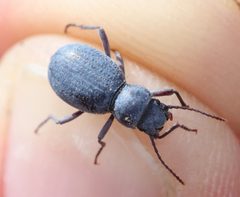
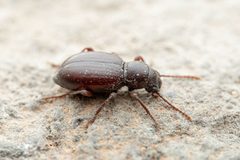
3Triorophus is a of darkling beetles ( Tenebrionidae) within the tribe Edrotini. The genus was established by J.L. LeConte in 1851. Members of this genus are part of the Pimeliinae, a group often associated with arid and semi-arid environments. The genus contains multiple distributed in North America, particularly in western regions.
Pronunciation
How to pronounce Triorophus: /traɪˈɔːrəfəs/
These audio files are automatically generated. While they are not always 100% accurate, they are a good starting point.
Identification
Triorophus can be distinguished from other Edrotini by combinations of pronotal and elytral characters, including body shape and surface sculpturing. Detailed identification generally requires examination of male genitalia and comparison with . The genus lacks the pronounced lateral pronotal margins seen in some related genera.
Images
Habitat
in this inhabit arid and semi-arid regions, including desert scrub, grasslands, and rocky slopes. They are ground-dwelling beetles often found under stones, in soil cracks, or associated with plant debris in dry environments.
Distribution
North America, with primary occurrence in western United States and adjacent regions of Mexico. Records indicate presence in states including California, Arizona, Nevada, Utah, and Texas.
Behavior
or activity patterns have been observed. are ground-dwelling and seek shelter under surface objects during daylight hours.
Ecological Role
Contributes to decomposition processes in arid through feeding on decaying plant material and organic detritus.
Similar Taxa
- EdrotesBoth belong to tribe Edrotini and share similar body forms; Triorophus differs in pronotal structure and male genitalia .
- EleodesSuperficially similar darkling beetles in same ; Eleodes is distinguished by defensive posture with elevated and different antennal structure.
More Details
Taxonomic History
The was revised in the mid-20th century, with several transferred to or from related genera based on genitalic studies. Modern classifications rely heavily on male aedeagal characters for species-level determinations.