Statira pluripunctata
Horn, 1888
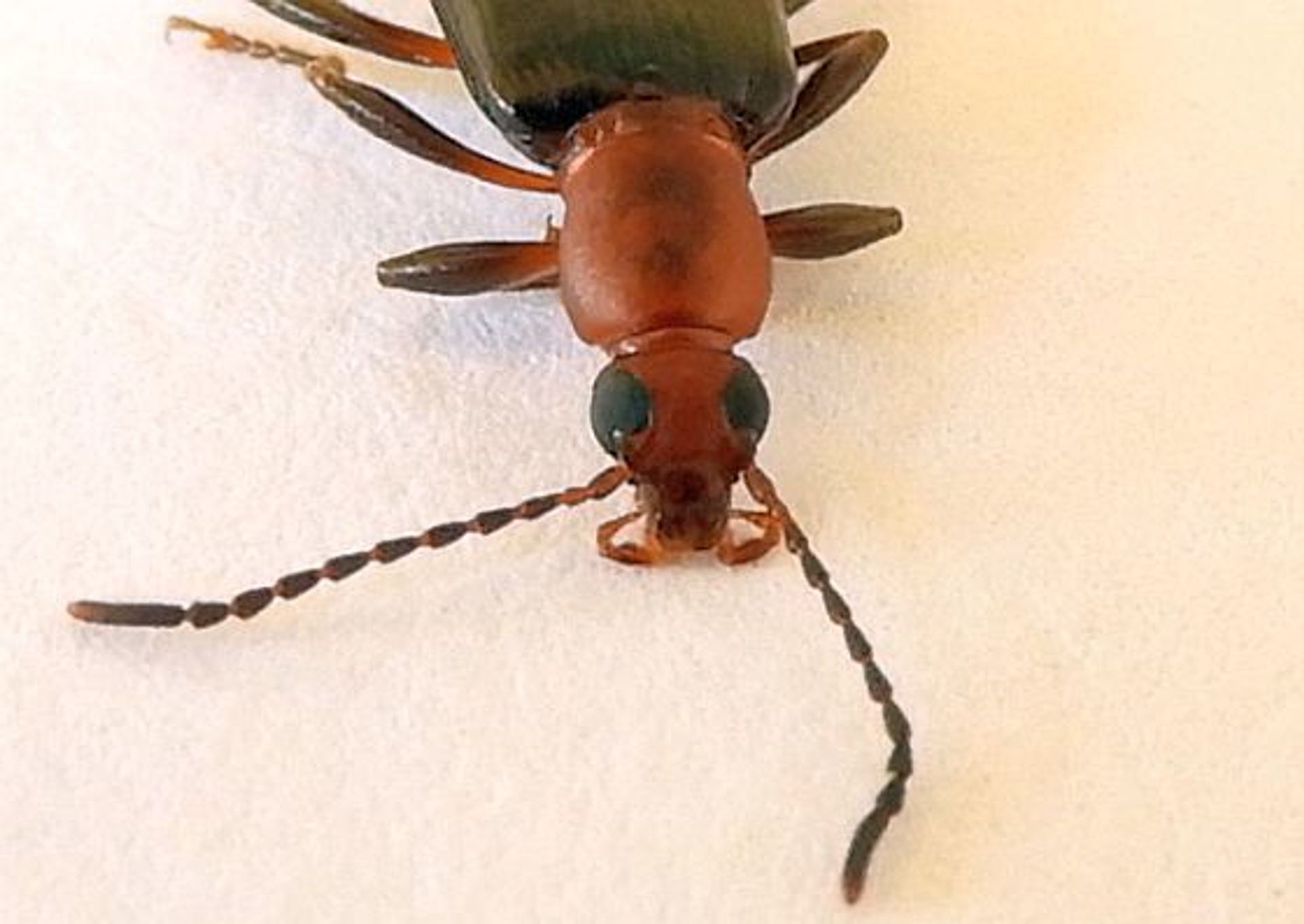
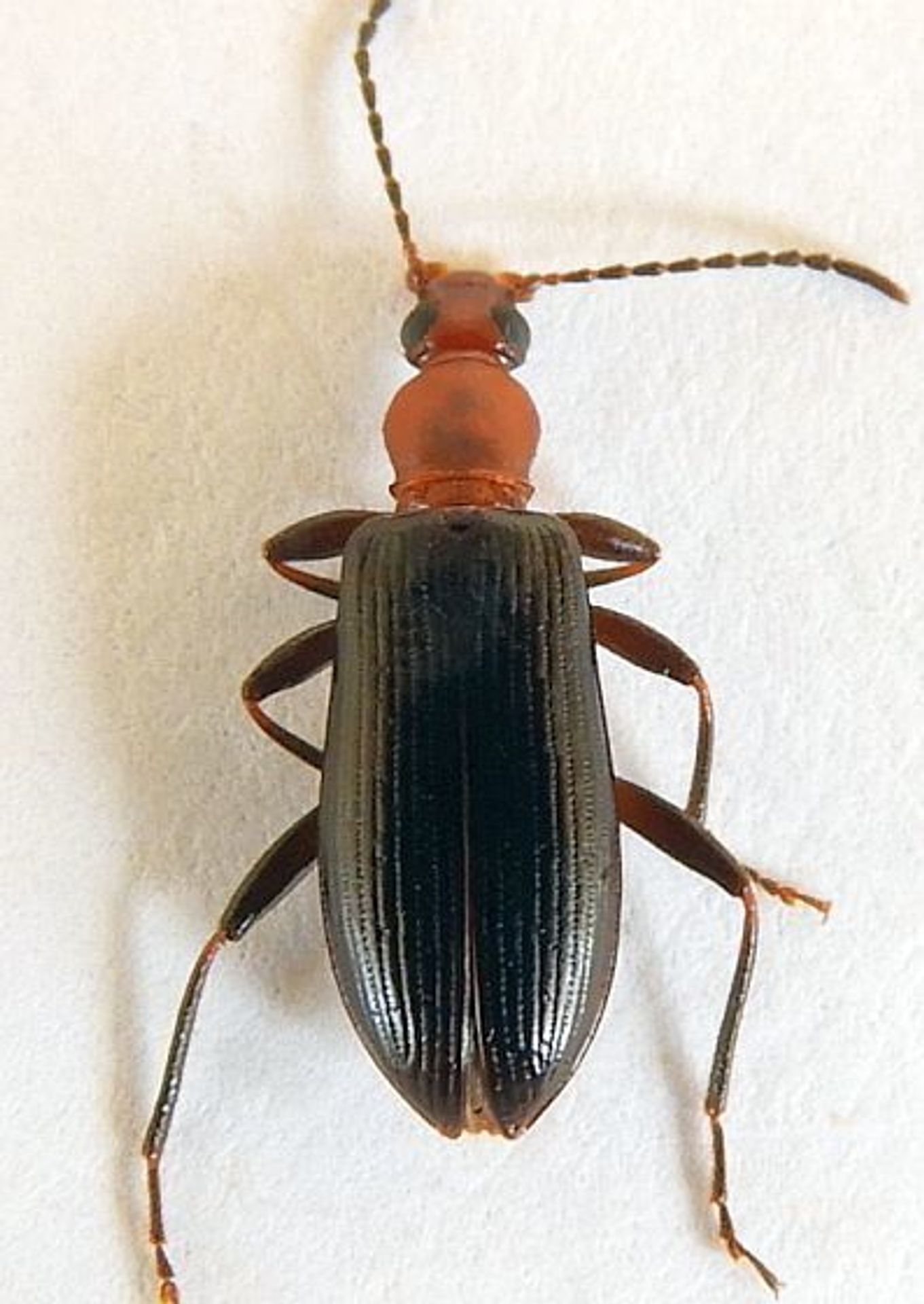
Statira pluripunctata is a of darkling beetle in the Tenebrionidae, specifically within the Lagriinae (formerly treated as the separate family Lagriidae). The Statira comprises 'long-jointed beetles' characterized by elongated antennal segments that differ from the bead-like typical of many other darkling beetles. This species was described by George Henry Horn in 1888 and is known from Mexico. Members of this genus are considered 'aberrant' darkling beetles that do not conform to the typical morphological expectations for the family.
Pronunciation
How to pronounce Statira pluripunctata: /stæˈtiːrə ˌplʊrɪˌpʌŋkˈteɪtə/
These audio files are automatically generated. While they are not always 100% accurate, they are a good starting point.
Identification
Statira , including S. pluripunctata, can be distinguished from typical darkling beetles (Tenebrionidae) by their elongated, long-jointed rather than the bead-like () segments seen in most tenebrionids. This antennal structure more closely resembles that of ground beetles (Carabidae), potentially causing confusion. However, Statira species have concealed beneath the (unlike the exposed forward-directed jaws of carabids) and move slowly rather than running rapidly. The specific epithet 'pluripunctata' (many-spotted) suggests a spotted pattern on the , though this requires verification for this particular species.
Images
Distribution
Mexico
Similar Taxa
- Ground beetles (Carabidae)Share elongated but differ in having exposed forward-directed , rapid running , and predatory habits. Statira has concealed mandibles and slow movement.
- Typical darkling beetles (Tenebrionidae: other subfamilies)Most have bead-like () rather than the long-jointed antennae of Statira; many exhibit -standing defensive (Eleodes and relatives) not reported for Statira.
- Other LagriinaeShare the characteristics including elongated body form and long-jointed ; -level identification requires detailed examination.