Pyrota invita
Horn, 1885
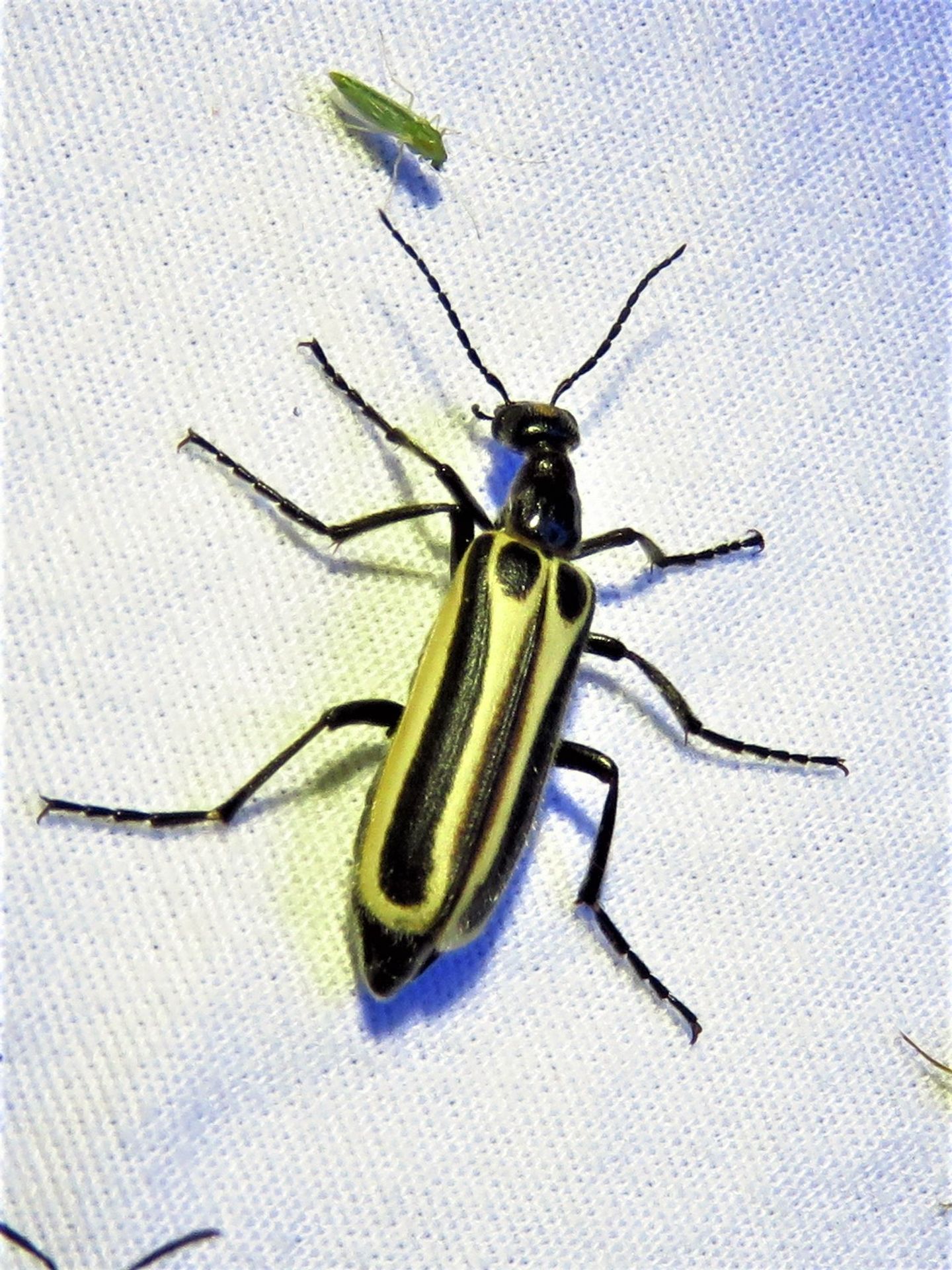
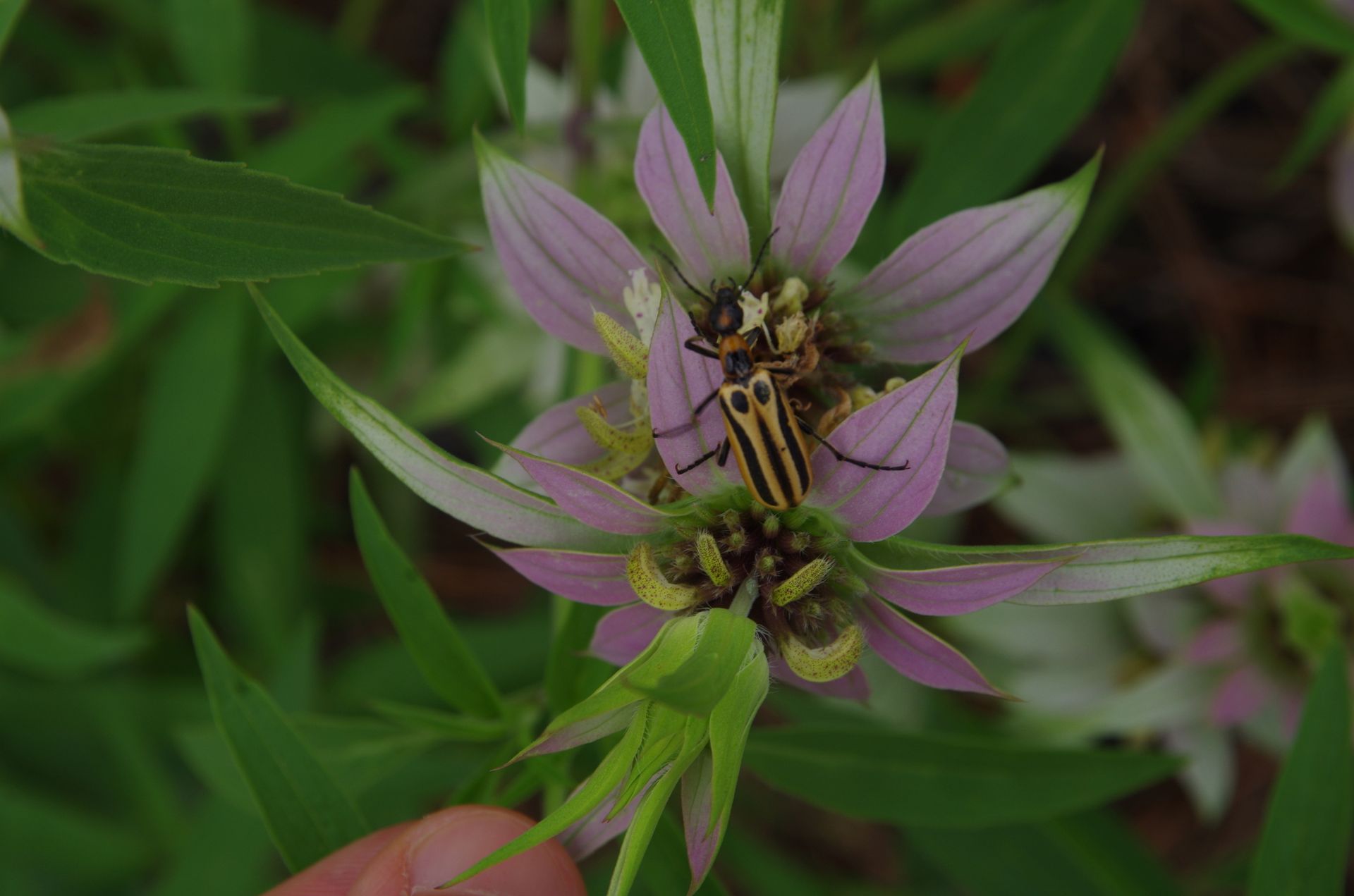
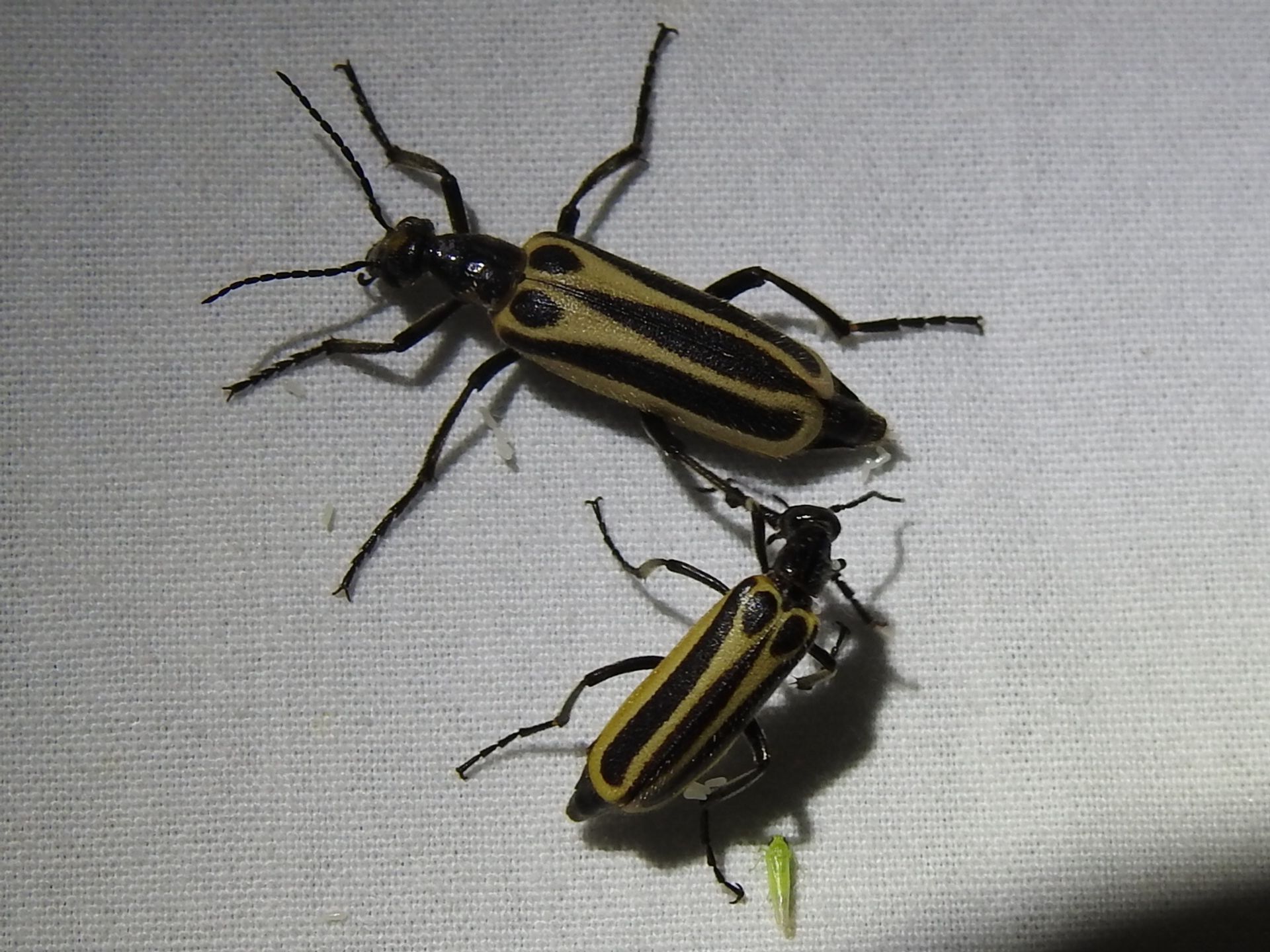
Pyrota invita is a of blister beetle in the Meloidae, described by George Henry Horn in 1885. The species is found in North America and belongs to the tribe Pyrotini, a group characterized by aposematic coloration and the production of , a toxic defensive compound. As with other Pyrota species, it exhibits the typical meloid body plan with soft, flexible and thread-like .
Pronunciation
How to pronounce Pyrota invita: /pɪˈroʊtə ɪnˈviːtə/
These audio files are automatically generated. While they are not always 100% accurate, they are a good starting point.
Identification
Pyrota invita can be distinguished from other Pyrota by specific combinations of elytral and pronotal markings, though detailed diagnostic features require examination of original species description or revisionary works. Members of the Pyrota generally exhibit orange or yellow coloration with contrasting black markings, often including spots on the pronotum and longitudinal stripes or patterns on the . The genus is characterized by thread-like () , soft and flexible elytra, and a somewhat -like shape. Accurate identification to species level typically requires comparison with or authoritative keys.
Images
Distribution
North America. The has been documented through museum holdings (10 specimens at the Entomology Research Museum, UC Riverside) and occurrence records in biodiversity databases.
Ecological Role
As a member of the Meloidae, Pyrota invita likely participates in the defensive chemical typical of blister beetles, producing or related compounds that deter . The larvae of related Pyrota are known to be hypermetamorphic and parasitic or predatory on larvae or pods, though the specific of P. invita has not been documented.
Human Relevance
Blister beetles in the Pyrota, including P. invita, contain and should be handled with caution as the compound can cause skin blistering. The has no documented economic importance or direct interactions with human activities beyond general entomological interest.
Similar Taxa
- Pyrota bilineataSimilar orange and black coloration with pronotal spots and longitudinal elytral stripes; distinguished by specific pattern details and geographic distribution
- Pyrota palpalisShares the characteristic orange coloration with black markings; known as the 'Charlie Brown Blister Beetle' for its distinctive pattern
- Epicauta speciesAlso in Meloidae with similar body form and aposematic coloration; distinguished by generally more robust body and different antennal proportions
More Details
Taxonomic History
Described by George Henry Horn in 1885. The is represented by 10 specimens in the Entomology Research Museum collection at UC Riverside as of 2010.
Etymology
The specific epithet 'invita' is Latin, meaning 'unwilling' or 'reluctant,' though Horn did not explicitly state the derivation in his original description.
Sources and further reading
- BugGuide
- Wikipedia
- GBIF taxonomy match
- iNaturalist taxon
- Meloidae Holdings | Entomology Research Museum
- Bohart Museum Halloween Party: A Night of Frights and Delights! | Bug Squad
- Scary Insects and Lovable Critters at the Bohart Museum of Entomology | Bug Squad
- Midget male meloid mates with mega mama | Beetles In The Bush
- Tips to avoid predatory publishing in biological journals
- ID Challenge #8 | Beetles In The Bush