
Xylitini
C.G. Thomson, 1864
Genus Guides
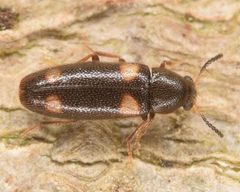
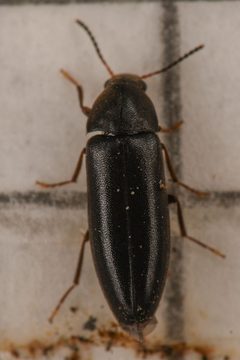
6Xylitini is a tribe of darkling beetles within the Melandryidae, established by C.G. Thomson in 1864. Members of this tribe are primarily associated with dead and decaying wood, where they develop as larvae. The tribe includes several of small to medium-sized beetles that are part of the broader saproxylic .

Pronunciation
How to pronounce Xylitini: //zaɪˈlɪtɪnaɪ//
These audio files are automatically generated. While they are not always 100% accurate, they are a good starting point.
Identification
Xylitini can be distinguished from other tribes in Melandryinae by a combination of characters including the structure of the , pronotal shape, and elytral . The tribe is generally characterized by elongate body form and or slightly serrate antennae. Exact identification to tribe level requires examination of subtle morphological features and is best confirmed by reference to specialized keys for Melandryidae.
Images
Habitat
Associated with dead and decaying wood, including standing dead trees, fallen logs, and woody debris. Larvae develop in rotting wood and under bark.
Distribution
Holarctic distribution, with records from Europe, Asia, and North America. Specific range varies by constituent .
Seasonality
are typically active from spring through autumn, with peak activity varying by region and .
Host Associations
- Dead wood - larval developmentLarvae develop in decaying wood of various tree
- Wood-decaying fungi - possible associationLarvae may feed on fungal within wood; exact trophic relationships not well documented
Life Cycle
Complete with , larva, pupa, and stages. Larvae are saproxylic, developing in dead wood. Duration of developmental stages varies with wood decay conditions and climate.
Behavior
are generally or and may be found on or near their larval material. They are not known to be strong fliers and appear to disperse primarily by .
Ecological Role
Contributes to wood decomposition as part of the saproxylic . Larval tunneling in decaying wood may facilitate fungal and nutrient cycling. Serves as prey for other forest-dwelling .
Human Relevance
No direct economic importance. Indirectly relevant to forest and conservation of dead wood . Some may be indicators of old-growth or continuous forest conditions.
Similar Taxa
- MelandryiniAlso in Melandryinae; distinguished by differences in antennal structure, pronotal form, and male genitalia
- OrchesiniAnother tribe in Melandryinae; generally separable by body proportions and elytral punctation patterns
- SerropalpiniRelated tribe in Melandryidae; differs in tarsal structure and general body form
More Details
Taxonomic history
The tribal classification of Melandryidae has undergone revision, with some authors treating Xylitini as a subtribe or merging it with other groups. Current treatment as a distinct tribe follows recent phylogenetic studies, though composition varies among sources.
Conservation relevance
As saproxylic organisms, Xylitini are dependent on dead wood that have declined in managed forests. They may be useful indicators for conservation monitoring of forest biodiversity.