Notoxus sparsus
LeConte, 1859
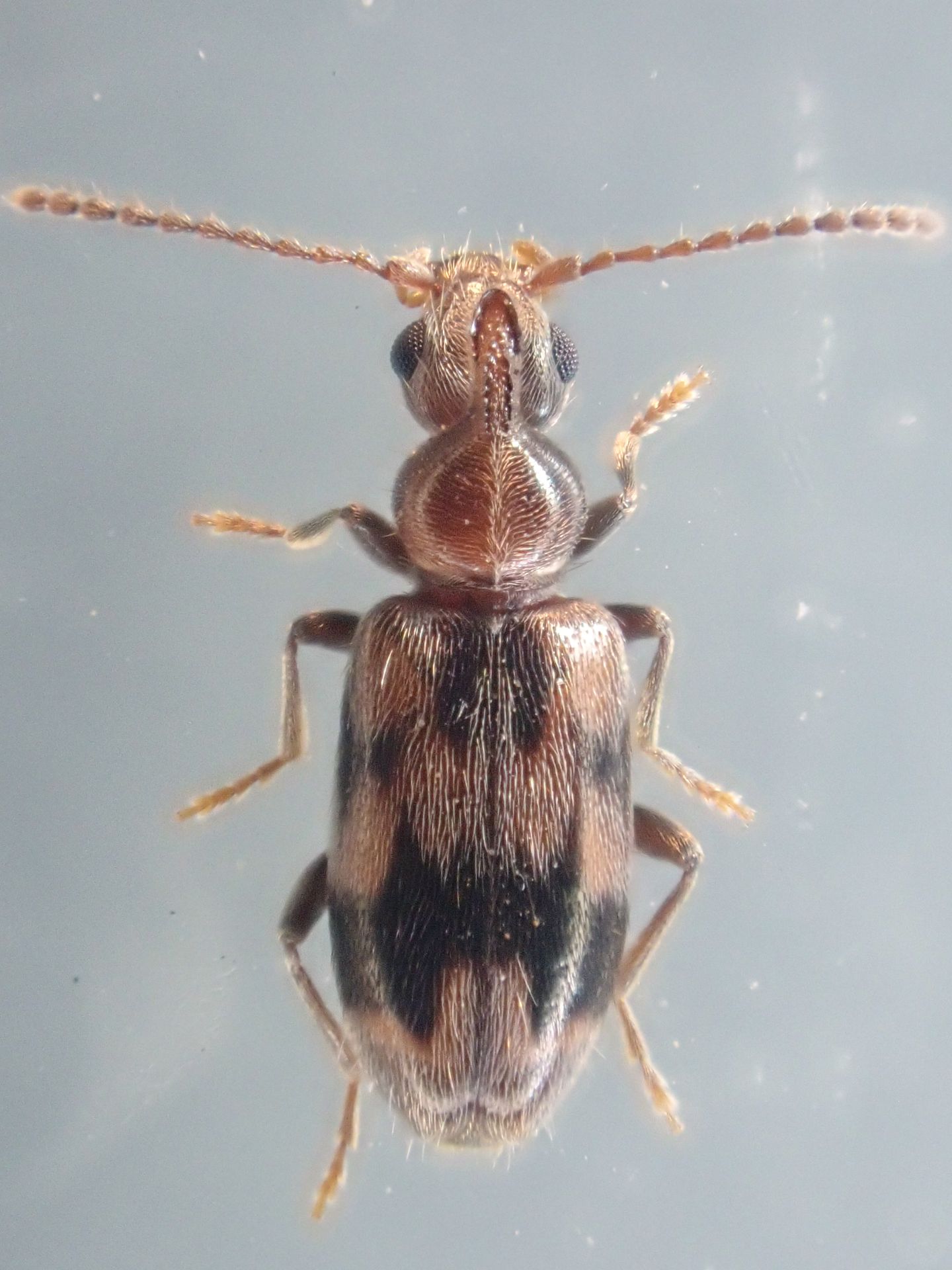
Notoxus sparsus is a of -like flower beetle in the Anthicidae, described by John Lawrence LeConte in 1859. Members of the Notoxus are characterized by a distinctive elongated rostrum with antennal insertions located near its tip, a trait that separates them from superficially similar ant-like beetles in other families. The species occurs in North America and Middle America, though specific details about its remain poorly documented. Like other anthicids, are likely active on the ground surface or in low vegetation.
Pronunciation
How to pronounce Notoxus sparsus: /nɔˈtɒksəs ˈspɑrsəs/
These audio files are automatically generated. While they are not always 100% accurate, they are a good starting point.
Identification
Notoxus sparsus can be distinguished from other Notoxus by the specific pattern and of setation implied by its species epithet "sparsus" (meaning scattered or sparse). The is immediately recognizable by the pronounced rostrum with inserted apically, creating an -like profile. Within Anthicidae, Notoxus differs from the similar genus Anthicus by the more elongated rostrum and the position of the antennal insertions. Specimens may be identified to species by examination of male genitalia and subtle differences in pronotal and elytral .
Images
Distribution
Recorded from North America and Middle America. Specific locality data beyond regional presence is not documented in available sources.
Behavior
of Notoxus have been observed at blacklights at night, suggesting or activity patterns.
Similar Taxa
- Notoxus garudaAnother in the same , distinguished by presumably different setal patterns and genitalic ; the is housed at UCR Entomology Research Museum.
- Anthicus spp.Convergent ant-like beetles in the same but with shorter rostrum and antennal insertions located more basally; require close examination for separation.
- Formicidae (ants)Superficially similar body form and movement, but beetles have hardened forewings (), clubbed or rather than elbowed antennae, and lack the constricted petiole of ants.