
Scaphisoma
Leach, 1815
shining fungus beetles
Species Guides
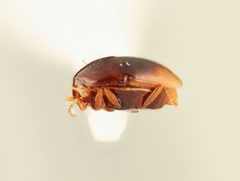
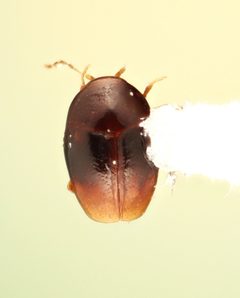
5Scaphisoma is the most diverse of Scaphidiinae, with 766 described and distributed almost worldwide. Members are commonly known as shining fungus beetles due to their association with fungi. The genus occurs across multiple continents including Asia, Africa, Europe, and the Americas, with 38 species recorded from the Neotropical region and seven now known from Brazil. Species have been documented from polyporoid fungi and other fungal substrates.
Pronunciation
How to pronounce Scaphisoma: /skæˈfɪsoʊmə/
These audio files are automatically generated. While they are not always 100% accurate, they are a good starting point.
Identification
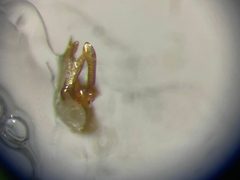
-level identification within Scaphisoma often relies on subtle characters including elytral coloration patterns (maculate versus unicolorous), body size, and detailed examination of genitalia. The is distinguished from other Scaphidiinae genera by combinations of antennal structure, tarsal formula, and body shape, though specific diagnostic features vary among species.
Images
Habitat
Forest environments, particularly in association with fungal substrates. Specific collections have been made from polyporoid fungi in Atlantic Forest remnants and from fungal in Mexican localities. The generally occupies microhabitats where decomposing fungi are present.
Distribution
Almost worldwide. Neotropical region: 38 recorded. Brazil: seven species including S. pandemum from Minas Gerais and S. nigrofasciatum (potentially introduced). Mexico: multiple species from Jalisco, Morelos, and Oaxaca. Additional records from Rica, Asia, and insular African countries. European presence indicated by distribution records from Denmark, Norway, and Sweden.
Diet
Mycophagous. and larvae feed on fungi, with documented associations including polyporoid fungi and other fungal substrates.
Host Associations
- polyporoid fungi - /food sourceexplicit collection site for S. pandemum
- flamboyant trees - potential introduction preliminary hypothesis only for S. nigrofasciatum in Brazil; not confirmed
Ecological Role
Decomposer associated with fungal . May contribute to nutrient cycling in forest through consumption and processing of fungal fruiting bodies.
Human Relevance
S. nigrofasciatum has been flagged as a potential pest in keyword metadata, though specific impacts are not detailed. Some may have been introduced to new regions through human-mediated transport of plants or goods.
Similar Taxa
- other Scaphidiinae generasame ; distinguished by antennal structure, tarsal formula, and body proportions
- other Staphylinidaesame ; Scaphisoma typically recognized by compact, often shiny body form and fungal association
More Details
Taxonomic diversity
With 766 described and , Scaphisoma represents exceptional diversity within Scaphidiinae, which itself comprises over 1800 species in 46 .
Biogeographic patterns
The shows a highly disjunct distribution with S. nigrofasciatum occurring in Asia, Africa, and Brazil, suggesting either ancient widespread distribution or human-mediated for some .
Research needs
associations are documented for relatively few ; most species lack detailed biological data beyond collection localities.
Sources and further reading
- BugGuide
- GBIF taxonomy match
- iNaturalist taxon
- NCBI Taxonomy
- Catalogue of Life
- Scaphisoma pandemum sp. nov. (Coleoptera: Staphylinidae: Scaphidiinae) from the Atlantic Forest of Southeast Brazil
- Rediscovery and redescription of Scaphisoma nigrofasciatum Pic (Coleoptera: Staphylindae: Scaphidiinae): a remarkable new record from a distant continent
- Four new species of Scaphisoma Leach with maculate elytra (Coleoptera: Staphylinidae: Scaphidiinae) from Mexico, with new records and comments on S. balteatum Matthews