
Sceptobiini
Seevers, 1978
Genus Guides
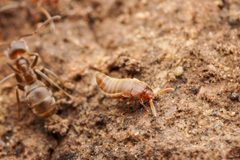
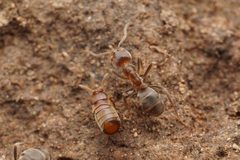
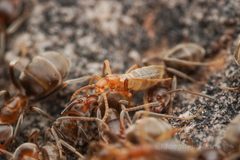
2Sceptobiini is a small tribe of rove beetles (Staphylinidae: Aleocharinae) comprising two and five described . All species are obligate myrmecophiles, living symbiotically within nests. The tribe exhibits distinct behavioral divergence between its two clades: Dinardilla species actively interact with ants, while Sceptobius species occupy more peripheral positions in nests.
Pronunciation
How to pronounce Sceptobiini: /skɛpˌtoʊbiˈiːnaɪ/
These audio files are automatically generated. While they are not always 100% accurate, they are a good starting point.
Identification
Distinguished from other Aleocharinae tribes by obligate myrmecophily and associated morphological adaptations for life within colonies. The two can be separated by behavioral and ecological traits: Dinardilla beetles actively engage with ants, whereas Sceptobius beetles remain more peripheral in nest structure.
Images
Habitat
Strictly associated with nests of ants in the Liometopum (Formicidae: Dolichoderinae), specifically Liometopum apiculatum and L. occidentale.
Host Associations
- Liometopum apiculatum - obligate ; Dinardilla and Sceptobius species occur in nests
- Liometopum occidentale - obligate ; Dinardilla and Sceptobius species occur in nests
Behavior
Two distinct behavioral documented: Dinardilla actively interact with ants, while Sceptobius species maintain peripheral positions within nests, showing reduced direct engagement with hosts.
Similar Taxa
- FalagriiniSister to Sceptobiini; distinguished by lack of obligate myrmecophily and associated behavioral and ecological specializations
More Details
Taxonomic history
Symbiochara Fenyes and Apteronina Wasmann have been synonymized with Sceptobius Sharp; Apteronina wasmanni Mann is now Sceptobius dispar Sharp.
Evolutionary context
Behavioral and ecological differences between Dinardilla and Sceptobius are hypothesized to result from interactions between ecological specialization, historical contingency, and geographic isolation during speciation.