
Phyllophaga congrua
(LeConte, 1856)
May beetle, June beetle
Phyllophaga congrua is a scarab beetle in the Scarabaeidae, distributed across the central and eastern United States. Like other members of the Phyllophaga, the larvae are soil-dwelling white that feed on plant roots. The contributes to soil processes through burrowing activity, though this can result in agricultural damage when larval densities are high.

Pronunciation
How to pronounce Phyllophaga congrua: /ˌfɪl.oʊˈfɑː.ɡə ˈkɒŋ.ɡru.ə/
These audio files are automatically generated. While they are not always 100% accurate, they are a good starting point.
Images
Habitat
Larvae inhabit soil in a variety of environments including grasslands, agricultural fields, and wooded areas. are attracted to lights at night.
Distribution
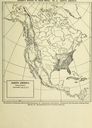
Recorded from Georgia, Indiana, Iowa, Kansas, Louisiana, Mississippi, Missouri, New York, South Dakota, and Texas in the United States.
Diet
Larvae feed on plant roots, including those of grasses and crops. Specific plants for this have not been documented.
Life Cycle
Larvae are the stage. Development likely follows the typical Phyllophaga pattern of multiple instars before in soil , with emerging in late spring to early summer.
Ecological Role
Larvae contribute to soil aeration and nutrient cycling through burrowing activity. They serve as for including Pelecinus polyturator and Myzinum .
Human Relevance
Larvae can damage agricultural crops when present in high densities, particularly affecting root systems. This damage is context-dependent and the is also recognized for beneficial soil functions.