
Coelostomatini
Heyden, 1891
Genus Guides
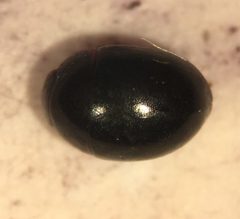
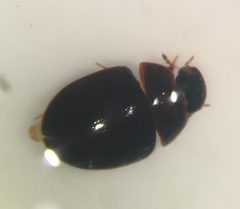
4Coelostomatini is a tribe of water scavenger beetles within the Hydrophilidae, containing approximately 7 and more than 70 described . The tribe was established by Heyden in 1891. Members of this tribe are classified in the Sphaeridiinae and share morphological characteristics typical of this group, including compact body forms. The tribe includes genera such as Coelostoma, Dactylosternum, and Pelosoma, which are distributed across various regions globally.

Pronunciation
How to pronounce Coelostomatini: /ˌsiːloʊstəˈmɑːtɪnaɪ/
These audio files are automatically generated. While they are not always 100% accurate, they are a good starting point.
Identification
Coelostomatini can be distinguished from other tribes in Sphaeridiinae by a combination of morphological features, though specific diagnostic characters require examination of detailed anatomical structures. The tribe generally exhibits the compact, rounded body form characteristic of Sphaeridiinae. Definitive identification to tribe level typically requires examination of genitalia and other microscopic features.
Images
Habitat
Members of Coelostomatini are associated with aquatic and semi-aquatic environments, including stagnant water, decaying vegetation, and moist organic matter. Many in constituent such as Coelostoma and Dactylosternum have been recorded from rich in decomposing plant material.
Distribution
The tribe has a global distribution, with constituent occurring across multiple continents including North America, South America, Europe, Asia, Africa, and Australia. Specific distribution patterns vary by genus.
Ecological Role
Members of Coelostomatini function as decomposers in aquatic and semi-aquatic , contributing to the breakdown of organic matter. Their feeding activities on decaying vegetation and detritus facilitate nutrient cycling in wetland and freshwater .
Similar Taxa
- Other Sphaeridiinae tribesCoelostomatini is distinguished from related tribes such as Sphaeridiini and Omicrini by specific morphological features of the mouthparts, genitalia, and body structure, though these differences require expert examination.
More Details
Taxonomic history
The tribe was established by Heyden in 1891 and has undergone various taxonomic revisions. The current circumscription includes seven : Coelofletium, Coelostoma, Cyclotypus, Dactylosternum, Pelosoma, Phaenonotum, and Phaenostoma.
Research status
Despite containing over 70 described , many aspects of Coelostomatini remain poorly documented, with most available information derived from taxonomic rather than ecological studies.