
Anacaenini
Hansen, 1991
Genus Guides
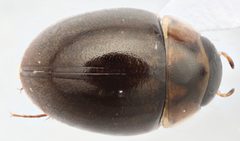
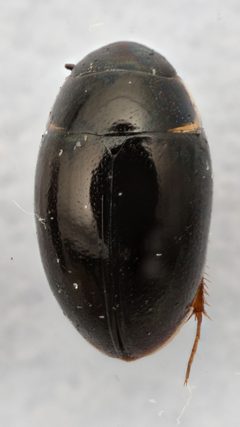
3Anacaenini is a tribe of small aquatic beetles in the Hydrophilidae, containing 256 across 6 . Members inhabit freshwater environments and are characterized by their compact body form and aquatic adaptations. The tribe was established by Hansen in 1991 and is classified within the Hydrophilinae.

Pronunciation
How to pronounce Anacaenini: /ænəˈsiːnɪnaɪ/
These audio files are automatically generated. While they are not always 100% accurate, they are a good starting point.
Identification
Anacaenini can be distinguished from other hydrophilid tribes by the combination of: small body size (usually under 5 mm), surface with fine punctation and often with hydrofuge , and with a distinct 3-segmented club. The mesoventrite is usually short and broadly anteriorly. These features separate them from the related tribes Hydrophilini and Chaetarthriini.
Images
Habitat
Freshwater aquatic environments including ponds, lakes, slow-moving streams, and wetlands. are generally found in the shallow among submerged vegetation and detritus.
Distribution
Ecological Role
Members contribute to nutrient cycling in freshwater as part of the benthic . They likely function as scavengers and in their aquatic , though specific ecological roles have not been extensively documented for most .
Similar Taxa
- HydrophiliniLarger body size and different mesoventrite structure; Hydrophilini often exceed 5 mm and have more elongate body forms.
- ChaetarthriiniDistinguished by the form of the mesoventrite and differences in antennal club structure; Chaetarthriini often have more reduced in some lineages.
More Details
Taxonomic history
The tribe was established by Hansen in 1991 based on morphological characters, separating these from the broader Hydrophilini. Recent molecular studies have generally supported this tribal classification, though some relationships within Hydrophilinae remain under investigation.