
Myrmetini
Portevin, 1929
Genus Guides
1- Gnathoncus(clown beetles)
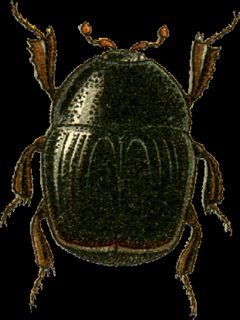
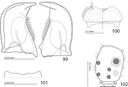
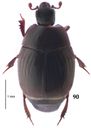
Myrmetini is a tribe of clown beetles (Histeridae) within the Saprininae, established by Portevin in 1929. The tribe is currently treated as a synonym in modern classifications, with its constituent generally reassigned to other tribes, particularly Saprinini. Members of this group were historically associated with colonies (myrmecophily), a trait reflected in the tribe's name derived from Greek 'myrmex' (ant). The taxonomic status reflects ongoing revisionary work in Histeridae .
Pronunciation
How to pronounce Myrmetini: /mɪrˈmɛtɪnaɪ/
These audio files are automatically generated. While they are not always 100% accurate, they are a good starting point.
Images
Host Associations
- Ants - myrmecophilyTribe name and historical placement suggest association with colonies, though specific records are limited due to synonym status
Similar Taxa
More Details
Taxonomic History
Myrmetini was erected by Portevin in 1929 to accommodate myrmecophilous histerid , particularly those with morphological adaptations for life in nests. Subsequent phylogenetic and revisionary studies have not supported its distinction from Saprinini, leading to its widespread treatment as a junior synonym. The type genus and constituent require verification against current generic concepts in Saprininae.