
Gnathoncus
Jacquelin du Val, 1857
clown beetles
Species Guides
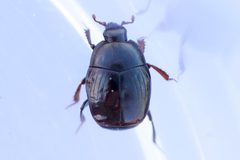
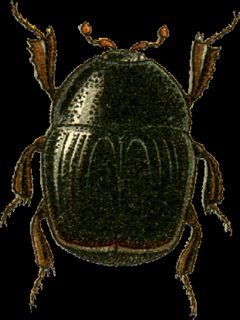
2- Gnathoncus barbatus(clown beetle)
- Gnathoncus rotundatus(clown beetle)
Gnathoncus is a of clown beetles ( Histeridae) comprising more than 20 described . Members of this genus are small predatory beetles found in association with decomposing organic matter. One species, Gnathoncus nanus, has been documented in poultry facilities where it preys on house fly and larvae.
Pronunciation
How to pronounce Gnathoncus: /ˌnæˈθɒŋkəs/
These audio files are automatically generated. While they are not always 100% accurate, they are a good starting point.
Images
Diet
Predatory. Gnathoncus nanus has been observed feeding on house fly and first-instar larvae in poultry manure.
Ecological Role
. In poultry operations, Gnathoncus contribute to of manure-breeding flies by consuming and early-stage larvae.
Human Relevance
agent in poultry production. Gnathoncus nanus is recognized as a beneficial that helps suppress house fly in caged-layer operations, reducing reliance on chemical .
Similar Taxa
- Carcinops pumilioAnother of house fly in poultry manure; distinguished by its black color and slightly larger size (about 1/8 inch) compared to Gnathoncus nanus
More Details
Poultry Industry Context
In Texas poultry operations, Gnathoncus nanus occurs at lower densities compared to Carcinops pumilio, another . Both inhabit surface layers of dry poultry manure and are considered native beneficial insects worth conserving through practices.