
Phengodini
LeConte, 1861
Genus Guides
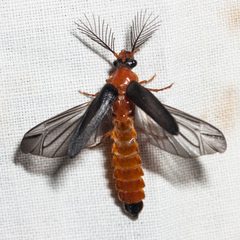
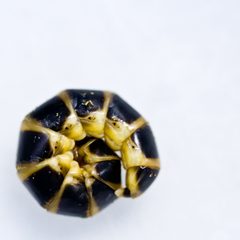
2Phengodini is a tribe of glowworm beetles within the Phengodidae, established by LeConte in 1861. Members are characterized by bioluminescent larvae and females, a trait shared across the family. The tribe contains multiple distributed primarily in the Americas. Adult males are typically winged and non-luminous, while females are and emit light.
Pronunciation
How to pronounce Phengodini: //fəŋˈɡoʊdɪnaɪ//
These audio files are automatically generated. While they are not always 100% accurate, they are a good starting point.
Images
Distribution
New World, primarily North and Central America with some South American records. Range extends from the United States through Mexico and into Central America.
Life Cycle
Complete with four stages: , larva, pupa, and . Larvae are predatory and bioluminescent. Adult females retain larval form (paedomorphic) and remain luminous; adult males develop wings and , losing .
Behavior
Larvae and females produce from paired photic organs, likely used for luring prey. Adult males are attracted to female luminescence for mating. Larvae are active .
Ecological Role
Predatory larvae likely regulate of soft-bodied including snails, slugs, and millipedes in soil and leaf litter .
Human Relevance
studied for mechanisms of light production. Occasionally encountered by naturalists and entomologists. No significant economic impact.
Similar Taxa
- MastinoceriniOther tribe in Phengodinae; distinguished by differences in male genitalia and larval photic organ arrangement
- Rhagophthalmidae of glowworm beetles in Asia; convergent but not closely related, separated by geographic range and male
More Details
Bioluminescence mechanism
Light production involves luciferin-luciferase reaction similar to fireflies (Lampyridae), but represents independent evolutionary origin within Elateroidea.
Sexual dimorphism
Extreme dimorphism is diagnostic: males are fully developed beetles with wings, while females are wingless, , and often larger than males.