Zarhipis
LeConte, 1881
glowworm beetles
Species Guides
2- Zarhipis integripennis(western banded glowworm)
- Zarhipis truncaticeps
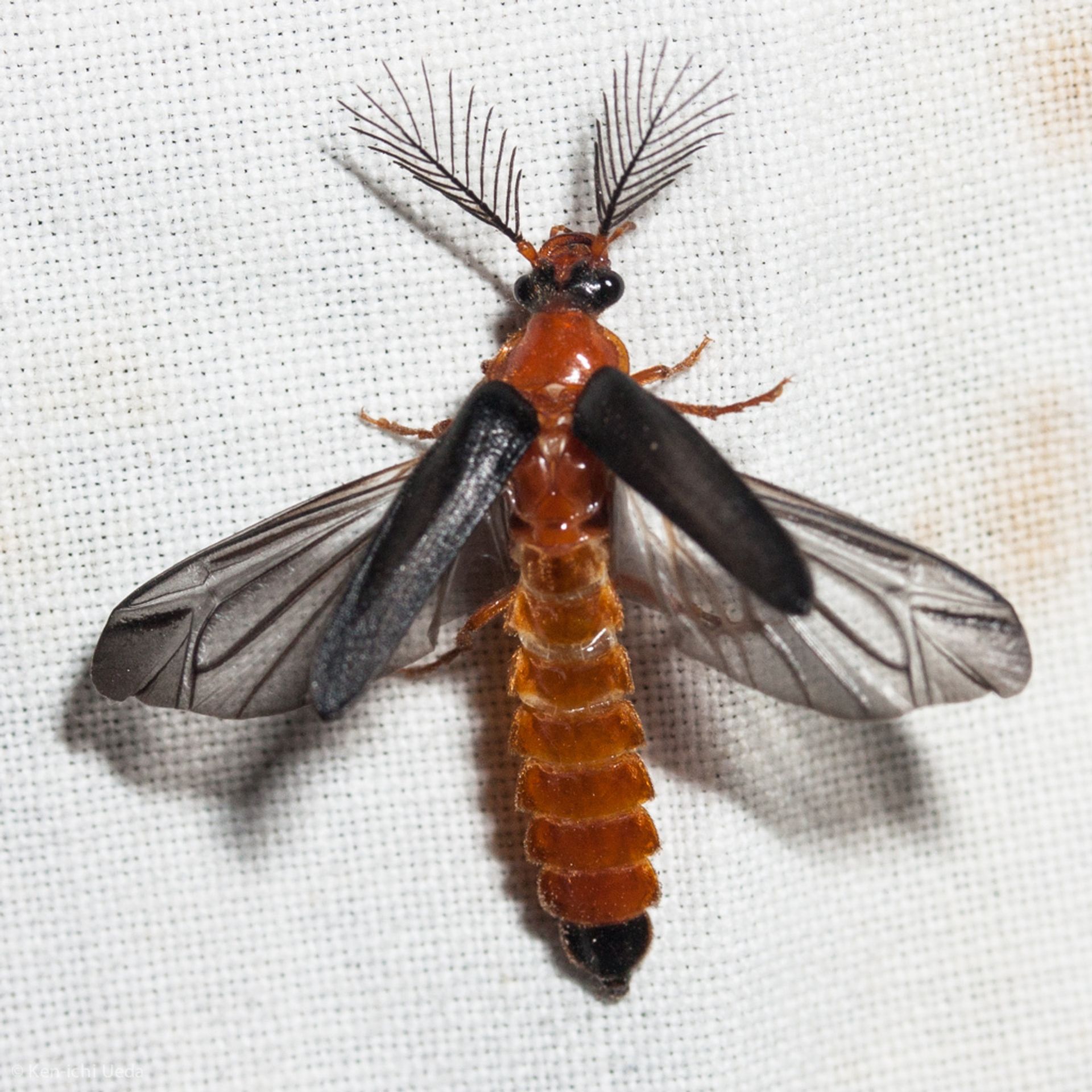
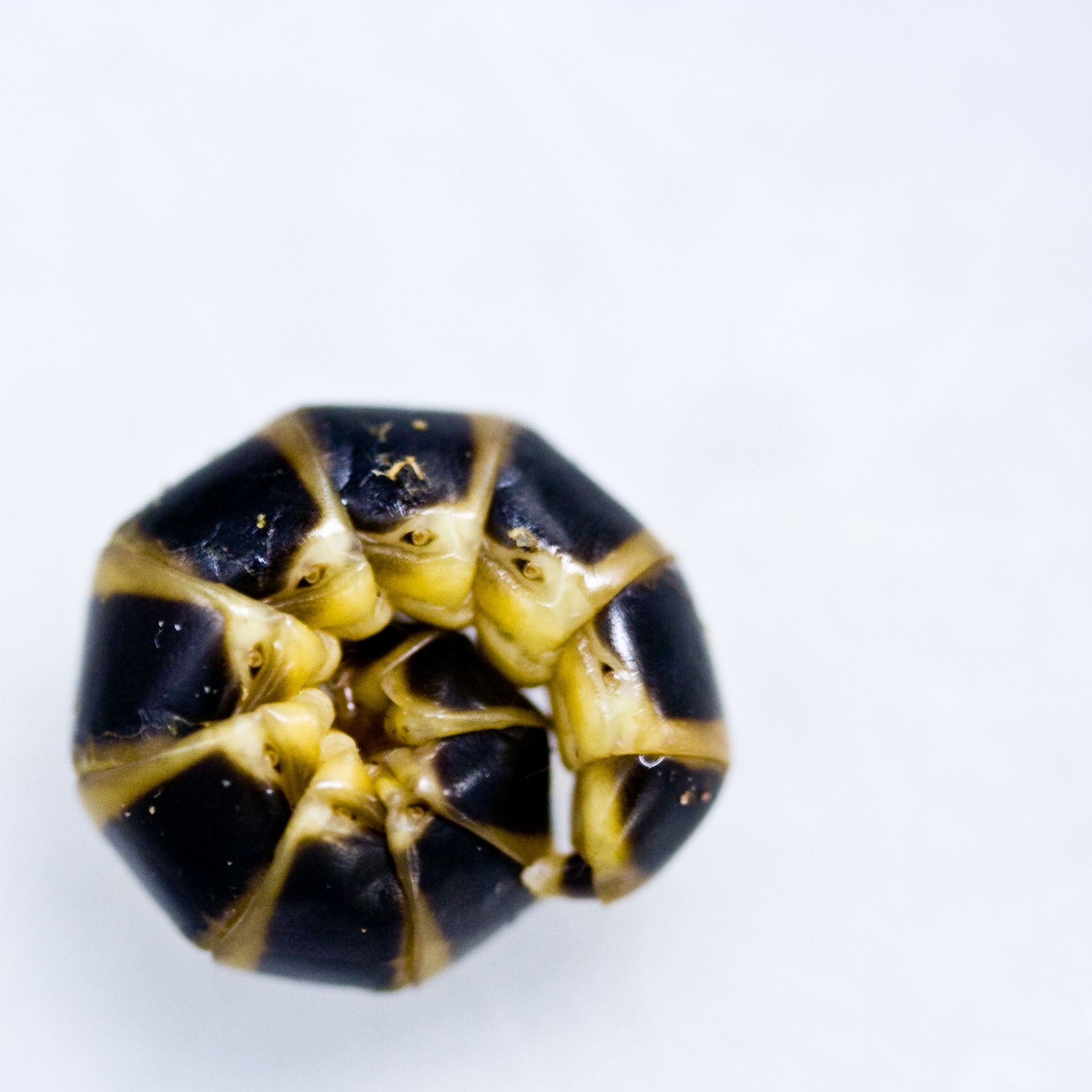
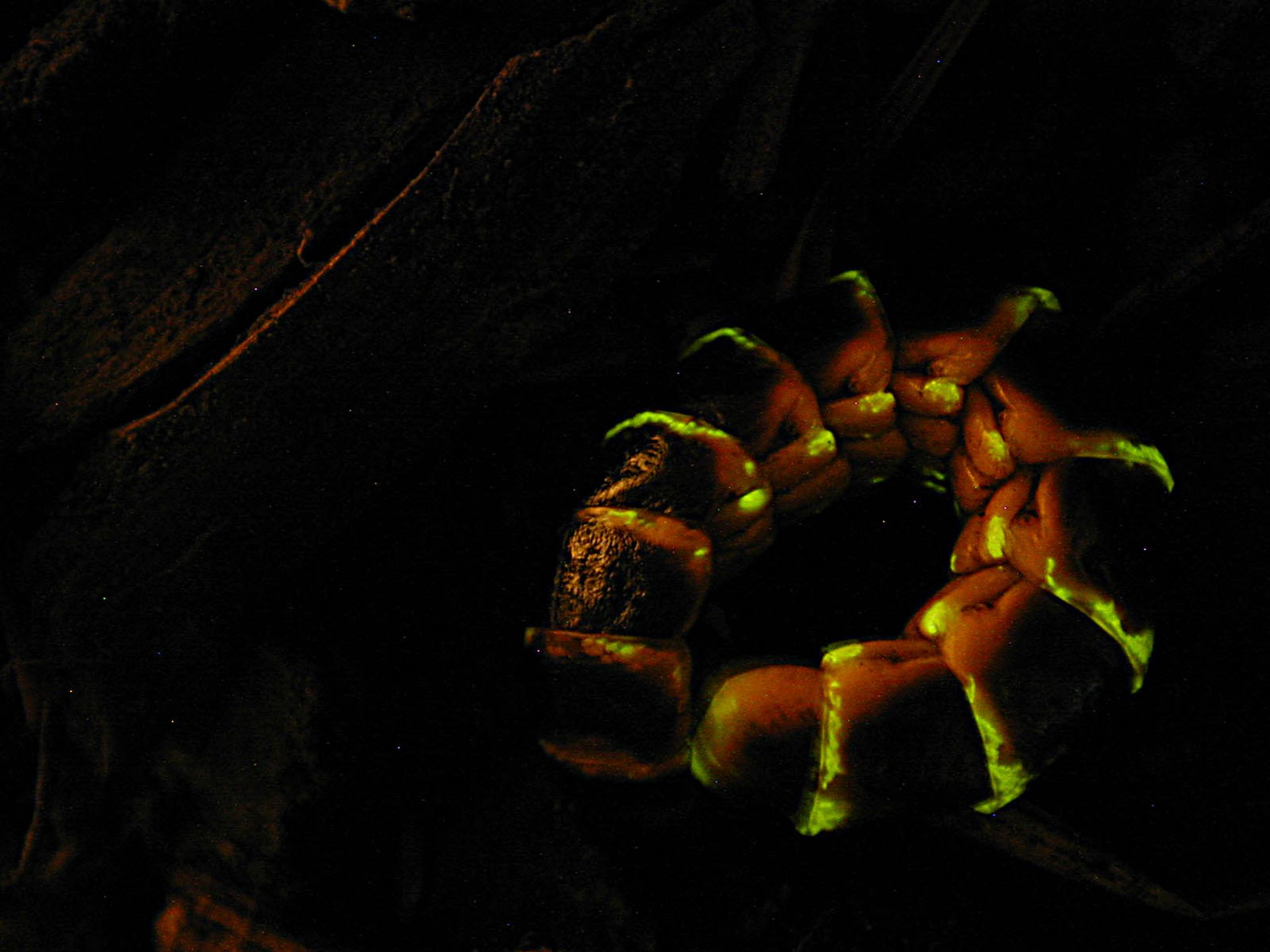
Zarhipis is a of glowworm beetles in the Phengodidae, containing three recognized restricted to western North America. Members of this genus exhibit , with females being and bioluminescent while males are winged and non-luminous. The genus has been subject to genetic studies, particularly for Zarhipis integripennis, revealing significant geographic structure and sex-biased patterns.
Pronunciation
How to pronounce Zarhipis: /zɑːrˈhɪpɪs/
These audio files are automatically generated. While they are not always 100% accurate, they are a good starting point.
Identification
Zarhipis can be distinguished from other phengodid by their western North American distribution and specific morphological features. Males possess fully developed wings and resemble typical beetles, while females are , wingless, and exhibit . The three species (Z. integripennis, Z. tiemanni, Z. truncaticeps) are distinguished by subtle differences in male genitalia and pronotal structure; Z. integripennis is specifically noted for its banded appearance.
Images
Distribution
Western North America, with all three restricted to this region. Zarhipis integripennis has been documented in southern California with showing genetic structure across the Transverse Ranges, including the Sierra Pelona region.
Behavior
Strongly sexually dimorphic with asymmetrical abilities: males disperse widely by while female movement is limited and dependent on contiguous availability. is produced by females, likely for mate attraction.
Similar Taxa
- PhengodesAnother phengodid with bioluminescent females, but Zarhipis is distinguished by its western North American restriction and specific male genitalia .
- MicrophotusRelated phengodid with similar ; Zarhipis differs in geographic range and subtle morphological features of the pronotum and .
More Details
Population Genetics
Zarhipis integripennis exhibits significant phylogeographic structure in southern California, with evidence of historical restrictions to in the Sierra Pelona region of the Transverse Ranges. Male-biased and female limitation contribute to this subdivision.