
Microrhagus
Dejean, 1833
Species Guides
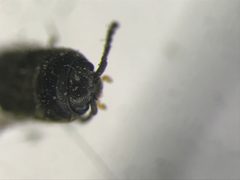
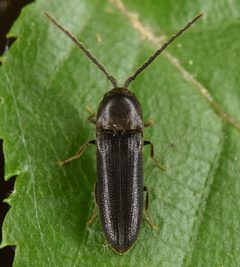
9Microrhagus is a of false click beetles in the Eucnemidae, tribe Dirhagini. The genus was established by Dejean in 1833 and contains Palaearctic , including two species recently described from the Russian Far East (M. nikitskyi and M. vicarius). Members of this genus are small beetles associated with decaying wood .
Pronunciation
How to pronounce Microrhagus: //ˌmɪkroʊˈræɡəs//
These audio files are automatically generated. While they are not always 100% accurate, they are a good starting point.
Identification
Microrhagus are small eucnemid beetles distinguished from related by their compact body form and specific antennal and pronotal characteristics. The genus can be separated from Dirrhagus and Dirrhagofarsus by subtle differences in body proportions and surface . Accurate identification to species level requires examination of male genitalia and detailed comparison of .
Images
Habitat
Microrhagus are associated with forest , particularly where decaying wood is present. The Russian Far East species were collected in forested regions, though specific microhabitat details are not documented in available sources.
Distribution
Palaearctic region, with confirmed records from the Russian Far East (Primorye), Scandinavia (Denmark, Norway, Sweden), and Western Europe (Pyrenees region). Distribution data remain incomplete for many .
Similar Taxa
- DirrhagusSimilar body form and size; distinguished by differences in pronotal shape and antennal structure
- DirrhagofarsusClosely related in the same tribe; historically confused with Microrhagus, requiring careful examination of male genitalia for separation
- ClypeorhagusRelated dirhagine ; differs in clypeal and antennal characteristics
More Details
Taxonomic history
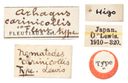
The Microrhagus has undergone significant taxonomic revision. Recent work (2016) described two new from the Russian Far East and clarified relationships with related genera through lectotype designations and nomenclatural changes. The genus Balistica was synonymized under Clypeorhagus, and Dirrhagofarsus was established as distinct from Pseudorhacopus.
Research needs
Biological and ecological data for Microrhagus remain largely unknown. Larval stages have not been described, and relationships with wood-decaying fungi or trees are unstudied. Most are known only from scattered specimens.