Liparthrum
Wollaston, T.V., 1854
Species Guides
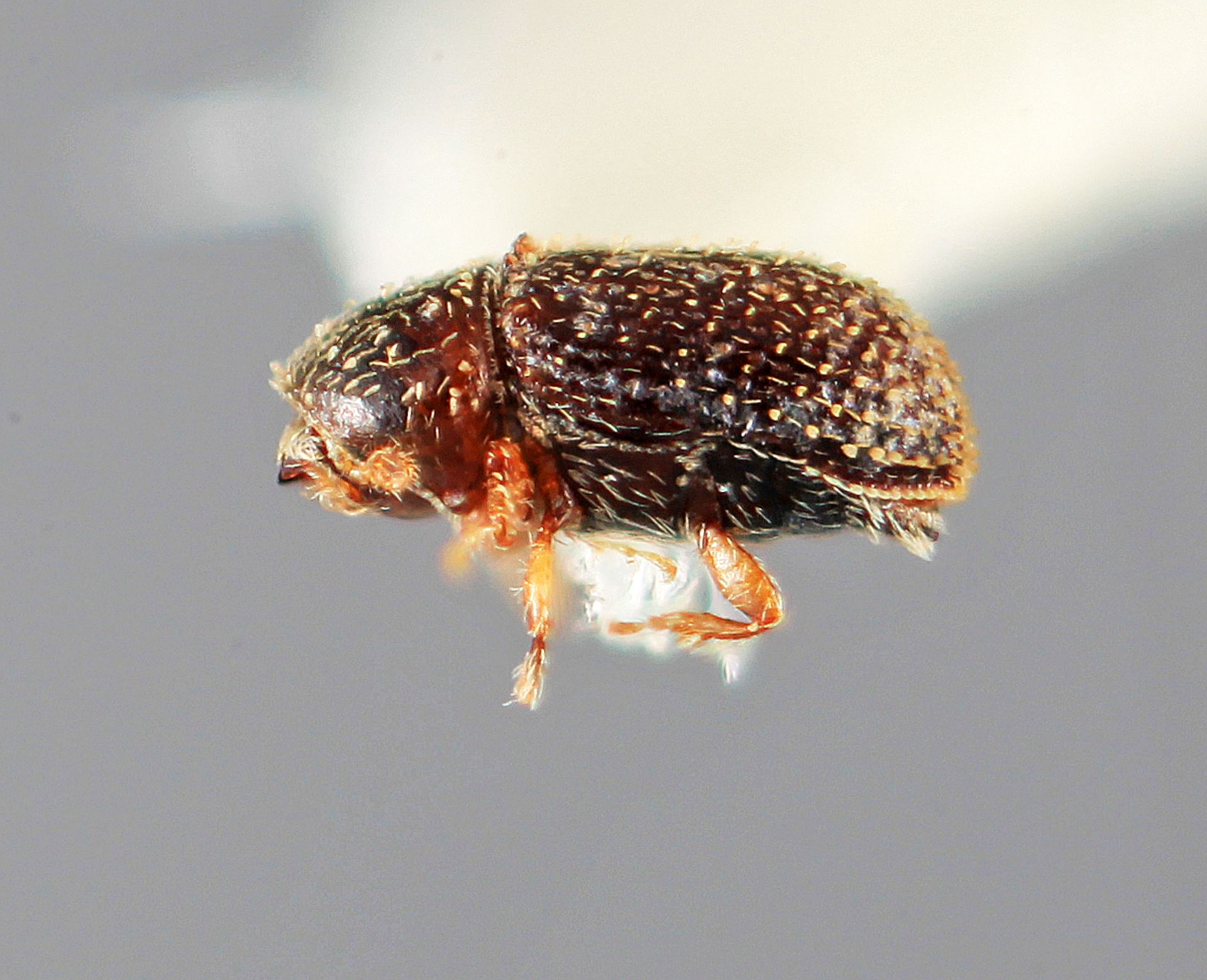
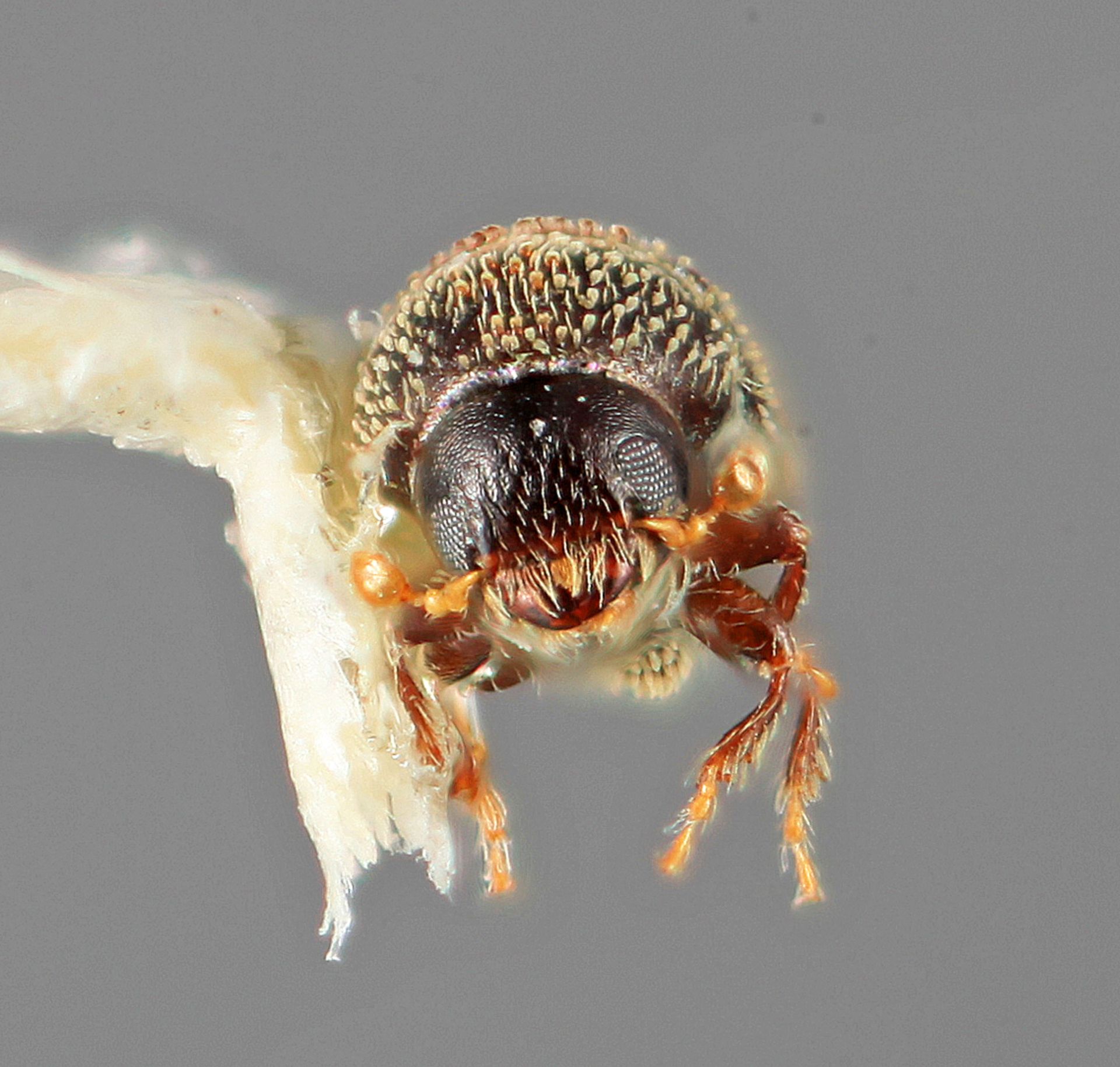
1Liparthrum is a of bark beetles (Scolytinae) established by Wollaston in 1854. The genus includes primarily associated with woody plants, with documented specialization on laurel (Laurus nobilis) in at least one species. Members are characterized by small size, subcortical gallery systems in twigs, and monophagous or oligophagous associations. The genus has been subject to phylogenetic study regarding Macaronesian radiation and possible cryptic speciation.

Pronunciation
How to pronounce Liparthrum: //lɪˈpɑːrθrəm//
These audio files are automatically generated. While they are not always 100% accurate, they are a good starting point.
Identification
Small bark beetles in the tribe Liparthrini. Distinguishable from other Scolytinae by combination of: small size; pronotal shape; and association with specific plants. -level identification requires examination of genitalia and subtle morphological characters; cryptic species may occur within the .
Images
Habitat
Woody plants, particularly shrubs and trees. Documented occupy subcortical regions of twigs and branches, with some specialization on thin dried twigs (0.5-1 cm diameter) of specific .
Distribution
Mediterranean region including Europe (south-western Russia, Croatia, France, Spain, Italy), North Africa (Algeria), and Macaronesian islands. Specific distributions vary; some species show island radiation patterns.
Behavior
Bark beetles that excavate subcortical galleries in plant twigs. Gallery systems typically include maternal chambers and larval tunnels. Some demonstrate strong host specificity and may be monogynous.
Ecological Role
Secondary colonizers of woody plant material; contribute to decomposition of stressed or dead twigs. Some may phytopathogenic fungi.
Human Relevance
Generally of minor economic importance. One (L. colchicum) has been investigated in relation to laurel decline in urban and natural settings, but is considered harmless to healthy plants as it colonizes only already-wilted twigs.
Similar Taxa
- XylosandrusBoth are small Scolytinae associated with twig , but Xylosandrus is an ambrosia beetle (fungus-farming) with different gallery architecture and ecological role, while Liparthrum are phloeophagous bark beetles feeding directly on plant tissue.
- Other Scolytinae genera in tribe LiparthriniClose taxonomic relatives requiring detailed morphological examination for separation; differences in pronotal structure, elytral declivity, and male genitalia are used for identification.
More Details
Phylogenetic research
The has been subject to molecular phylogenetic study focusing on Macaronesian radiation, revealing possible cryptic speciation and complex -plant use patterns.
Taxonomic note
Placement in tribe Liparthrini; the requires careful morphological study for delimitation due to subtle diagnostic characters.
Sources and further reading
- BugGuide
- GBIF taxonomy match
- iNaturalist taxon
- NCBI Taxonomy
- Catalogue of Life
- LIPARTHRUM COLCHICUMSEMENOV (COLEOPTERA CURCULIONIDAE SCOLYTINAE) IN ITALY: INTRODUCED, ESTABLISHED OR NATIVE SPECIES?
- FIRST REPORT OF GEOSMITHIA PALLIDA AND G. LANGDONII ASSOCIATED WITH LIPARTHRUM COLCHICUM IN CENTRAL ITALY
- XYLOSANDRUS COMPACTUS AND LIPARTHRUM COLCHICUM (COLEOP- TERA SCOLYTINAE) IN TUSCANY: A PRELIMINARY SCREENING OF ASSOCIATED FUNGI
- Phylogeny of a Macaronesian radiation: host-plant use and possible cryptic speciation in Liparthrum bark beetles