
Pseudohylesinus grandis
Swaine, J.M., 1917
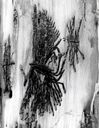
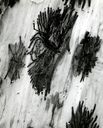
Pseudohylesinus grandis is a bark beetle (Curculionidae, formerly ) associated with western hemlock forests of coastal North America. It completes one annually with two and four larval instars, as a . The exhibits distinct breeding preferences, utilizing fresh slash in thinned stands rather than stumps. Adult females engage in pre-oviposition feeding on the inner bark of standing live trees before constructing galleries in slash material.
Pronunciation
How to pronounce Pseudohylesinus grandis: /suː.doʊ.hɪˈliːsɪnəs ˈɡrændɪs/
These audio files are automatically generated. While they are not always 100% accurate, they are a good starting point.
Images
Habitat
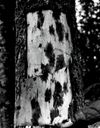
Young coastal stands of western hemlock; specifically thinned stands containing fresh slash used as breeding material. Distinguished from the P. tsugae, which prefers fresh stumps in the same type.
Distribution
Coastal western North America; specifically documented from young coastal stands of western hemlock.
Seasonality
with two per year; occurs as , with activity resuming in appropriate seasonal conditions.
Host Associations
- western hemlock - primary females feed in inner-bark region of standing live trees; breeding occurs in fresh slash
Life Cycle
One per year with two ; four larval instars; overwinters as .
Behavior
females feed in the inner-bark region of standing, live trees before initiating galleries in slash. Shows strong preference for fresh slash over stumps for breeding material in thinned stands.
Ecological Role
Bark beetle contributing to decomposition of slash material in thinned western hemlock stands; participates in nutrient cycling through wood-boring activity in dead and dying material.
Similar Taxa
- Pseudohylesinus tsugaeSympatric with similar and association; distinguished by breeding substrate preference (P. tsugae uses fresh stumps, P. grandis uses fresh slash) and stage (P. tsugae as fourth instar larva, P. grandis as )
Sources and further reading
- BugGuide
- GBIF taxonomy match
- iNaturalist taxon
- Catalogue of Life
- Guest Blog Post: Researchers split the birdcatcher trees (genus Pisonia) into three | Blog
- Bug Eric: Wasp Wednesday: Western Cicada Killer
- Nomenclatural changes in Phymatodes | Beetles In The Bush
- THE BIOLOGIES OF PSEUDOHYLESINUS TSUGAE AND P. GRANDIS (COLEOPTERA: SCOLYTIDAE) IN WESTERN HEMLOCK