
Hylastini
LeConte
Genus Guides
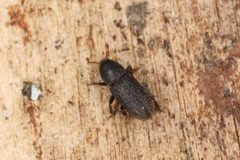
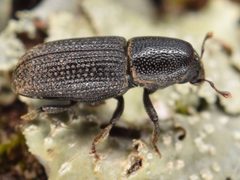
3Hylastini is a tribe of bark and ambrosia beetles within the Scolytinae. These beetles are primarily associated with coniferous plants across multiple . The tribe is of significant economic importance due to its role as a forest pest and its potential for international spread through trade in wood products.
Pronunciation
How to pronounce Hylastini: /hɪˈlæstɪnaɪ/
These audio files are automatically generated. While they are not always 100% accurate, they are a good starting point.
Images
Habitat
Conifer forests and plantations. Associated with plants in the Araucariaceae, Cupressaceae, Pinaceae, Podocarpaceae, and Taxaceae.
Distribution
Global distribution; are and frequently transported internationally through global trade in logs, wood packaging materials, bonsai, and ornamental plants.
Diet
Feed and develop in dead wood or different parts of live plants. Larvae develop inside tissues of live plants, timber, wood products, and wood-packaging materials.
Host Associations
- Araucariaceae - plantconifer
- Cupressaceae - plantconifer
- Pinaceae - plantconifer
- Podocarpaceae - plantconifer
- Taxaceae - plantconifer
Life Cycle
Development takes place inside the tissues of live plants, timber, wood products, and wood-packaging materials. Larvae can be easily transported across continents while developing inside plant material.
Behavior
Wood-boring; and larvae bore inside plant parts or tissues. Easily transported undetected in global trade due to protected larval development inside plant material.
Ecological Role
Economically important pests of native forest and agricultural crops globally; major pests for conifer forests and plantations.
Human Relevance
Many are economically important pests. Transport occurs through international trade in logs, wood packaging materials, bonsai, and ornamental plants.