
Dryocoetini
Genus Guides
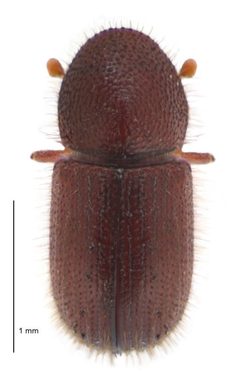
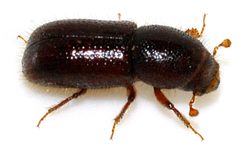
5Dryocoetini is a tribe of small bark beetles within the weevil Curculionidae, Scolytinae. Members are characterized by their compact body form and association with woody . The tribe includes economically significant that colonize both coniferous and broadleaf trees.
Pronunciation
How to pronounce Dryocoetini: //ˌdraɪ.əˈsiː.tɪ.naɪ//
These audio files are automatically generated. While they are not always 100% accurate, they are a good starting point.
Images
Habitat
Forested environments; associated with dead, dying, or stressed woody plants including both conifers and hardwoods.
Distribution
Widespread across forested regions of the Northern Hemisphere; present in North America, Europe, and Asia.
Host Associations
- Coniferous trees - breeding substratehas been observed in Pinaceae
- Broadleaf trees - breeding substratehas been observed in various hardwood
Ecological Role
Primary decomposers of dead and dying wood; contribute to nutrient cycling in forest . Some act as for fungal .
Human Relevance
Some are forest pests, particularly when attacking stressed or harvested timber. Economic impact varies by species and region.
Similar Taxa
- HylastiniSimilar small bark beetle ; distinguished by antennal club structure and pronotal shape
- XyleboriniOverlapping use; Xyleborini typically exhibit more pronounced with wingless females in some
More Details
Taxonomic placement
Dryocoetini is placed in Scolytinae, historically treated as but now widely recognized as a derived lineage within Curculionidae.
Fungal associations
Members of this tribe are known to cultivate or ambrosia fungi and other symbiotic fungi in their galleries, though specific associations vary by .