
Cryphalini
pygmy borers
Genus Guides
1- Cryphalus(bark beetle)
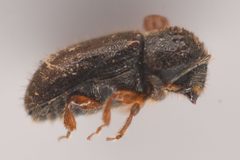
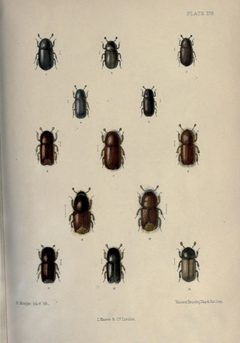
Cryphalini is a tribe of minute bark beetles (Scolytinae) comprising extremely small , many under 2 mm in length. The tribe has undergone major taxonomic revision, with former members now distributed across three tribes based on molecular and morphological evidence. Members of this group are among the most abundant bark beetles globally and include significant agricultural pests.
Pronunciation
How to pronounce Cryphalini: /krɪˈfalɪnaɪ/
These audio files are automatically generated. While they are not always 100% accurate, they are a good starting point.
Identification
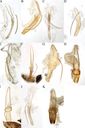
Distinguished from other Scolytinae by extremely small body size (most under 2 mm) and compact, rounded body shape. Formerly grouped with similar pygmy borers now placed in separate tribes (Dryocoetini and Xyloterini). -level identification requires examination of mouthpart and genitalic characters.
Images
Habitat
Associated with woody plants; primarily colonizing bark and phloem of trees and shrubs. Some have expanded to exploit seeds and fruits.
Distribution
; occur on every continent including remote oceanic islands. Individual species ranges vary from widespread (e.g., Hypothenemus eruditus) to restricted.
Diet
Phloem and bark tissue of woody plants; some feed on seeds. At least one has been observed to lack a stomach, with feeding unknown.
Behavior
Some practice obligate inbreeding, with brother-sister mating. Many are capable of colonizing small-diameter material or ephemeral substrates due to minute size.
Ecological Role
Primary colonizers of small branches, twigs, and other fine woody debris. Contribute to nutrient cycling in forest . Some are significant agricultural pests.
Human Relevance
Includes (), the world's most economically damaging coffee pest. Other affect stored products and timber. The group has been understudied due to taxonomic confusion and minute size.
Similar Taxa
- DryocoetiniFormerly included in Cryphalini; separated based on molecular and . Now recognized as distinct tribe of pygmy borers.
- XyloteriniFormerly included in Cryphalini; reclassified in 2023 revision based on genomic and morphological data.
- Other Scolytinae tribesCryphalini are distinguished by smaller size and more compact body form than most other bark beetles.
Misconceptions
The group was long considered 'hopelessly chaotic' taxonomically; modern revision has clarified boundaries, though this has split the former tribe into three separate tribes.