
Cnesinus
LeConte, J.L., 1868
Species Guides
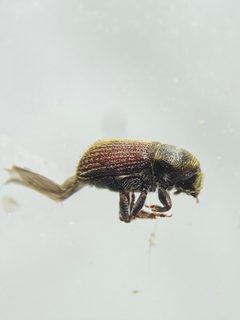
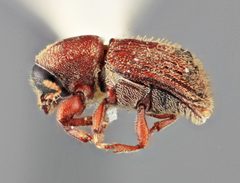
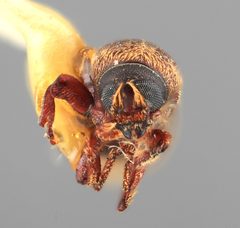
1Cnesinus is a of bark beetles in the Scolytinae, Curculionidae. occur across the Americas from North America through Central America to South America. The genus was established by J.L. LeConte in 1868. As a member of Scolytinae, species in this genus are associated with woody plants and are likely to be found in forested .
Pronunciation
How to pronounce Cnesinus: /ˈknɛsɪnəs/
These audio files are automatically generated. While they are not always 100% accurate, they are a good starting point.
Identification
Identification to level requires examination of morphological characters typical of Scolytinae, including the compact body form, short clubbed , and often the presence of a pronounced declivity ( slope) on the . Distinguishing Cnesinus from other scolytine genera requires detailed examination of elytral punctation, declivital characters, and genitalia; keys for Neotropical Scolytinae should be consulted.
Images
Habitat
Forested ; in this are associated with woody vegetation as is characteristic of Scolytinae bark beetles.
Distribution
North America, Central America, and South America.
Ecological Role
As bark beetles (Scolytinae), in this likely function as primary or secondary colonizers of woody plants, contributing to nutrient cycling and forest dynamics. Specific ecological roles have not been documented for this genus.
Similar Taxa
- Other Scolytinae generaMany scolytine share the compact body form, short , and association with bark and wood. Cnesinus is distinguished by specific combinations of elytral and declivital characters that require examination.
More Details
Taxonomic note
Cnesinus is classified in Curculionidae following modern phylogenetic treatments that subsume the former within Curculionidae as Scolytinae. The contains relatively few documented observations (14 records in iNaturalist as of source date), suggesting it may be underreported, difficult to identify, or genuinely uncommon.