Cnesinus strigicollis
LeConte, 1868
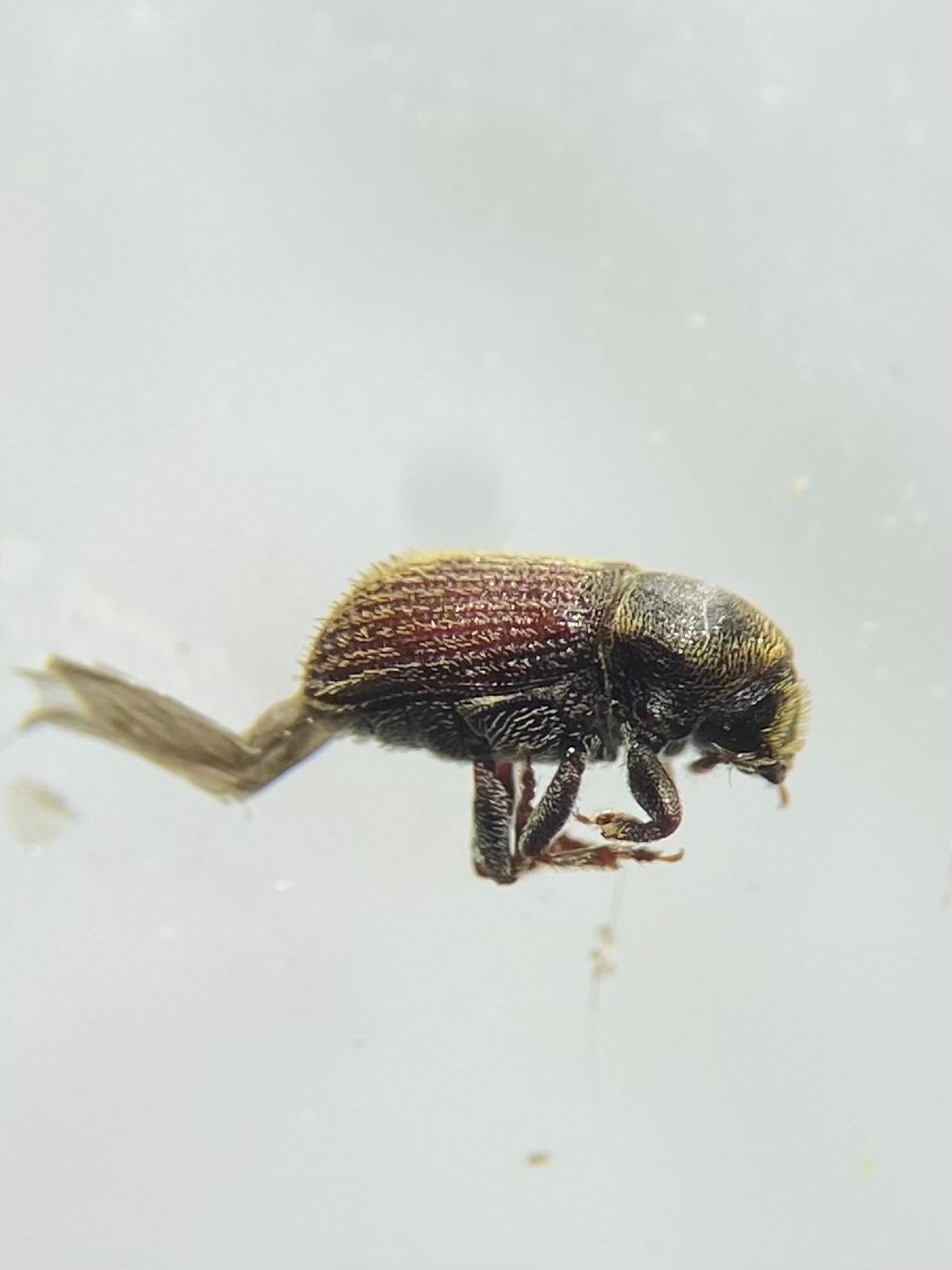
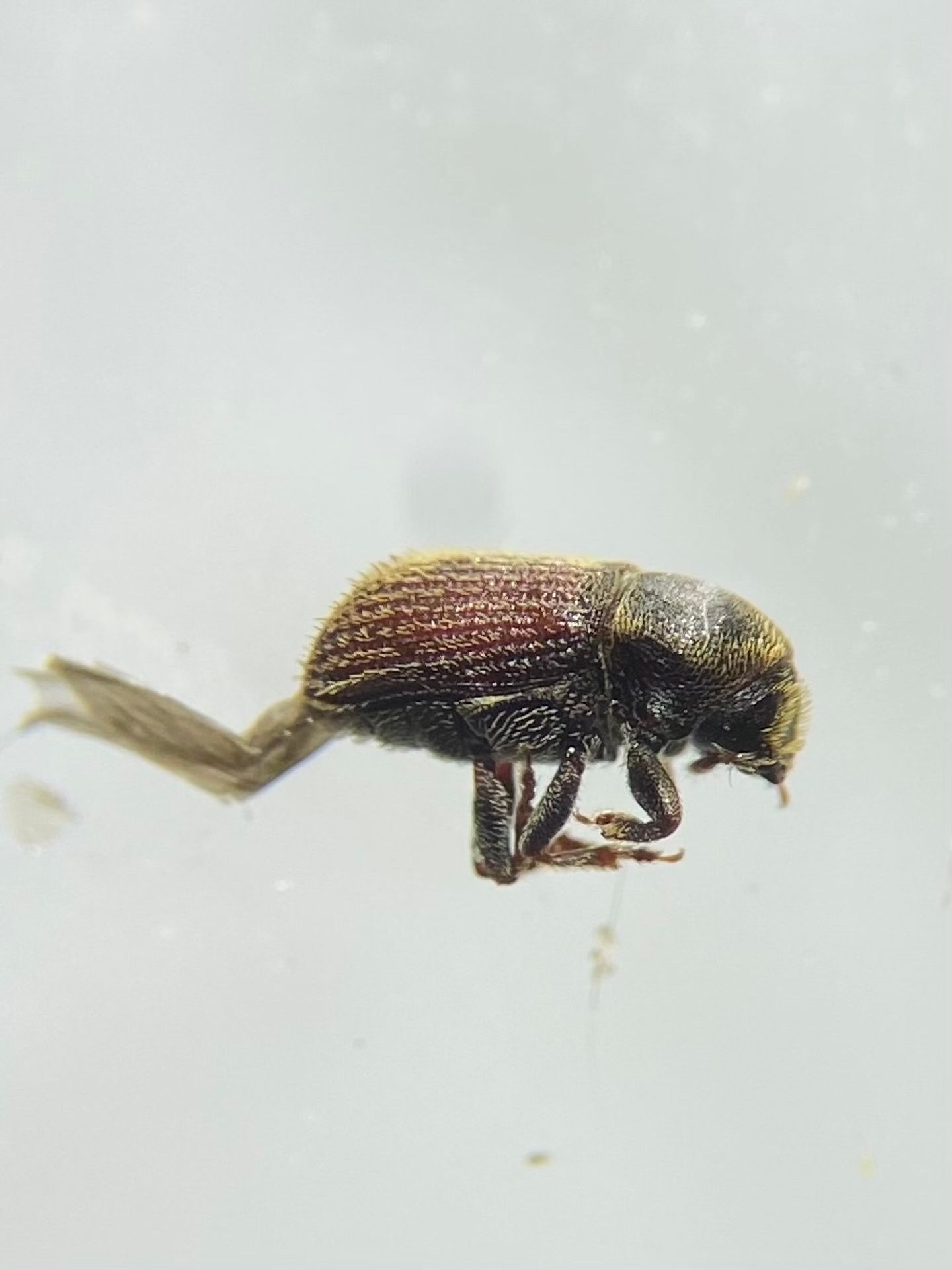
Cnesinus strigicollis is a of weevil in the Curculionidae, described by John Lawrence LeConte in 1868. The species belongs to a of small bark beetles (Scolytinae) associated with woody plants. It is known from North America and Middle America, though detailed biological information remains limited.
Pronunciation
How to pronounce Cnesinus strigicollis: /kˈniːsɪnəs strɪɡɪˈkɒlɪs/
These audio files are automatically generated. While they are not always 100% accurate, they are a good starting point.
Identification
The specific epithet 'strigicollis' refers to strigose (grooved or striated) features on the collar region, a characteristic that may aid in distinguishing this from . As with many Cnesinus species, identification requires examination of microscopic features including elytral declivity patterns and pronotal . Definitive identification typically requires comparison with or keys.
Images
Distribution
Recorded from North America and Middle America. Specific locality records are sparse in available databases.
Similar Taxa
- Other Cnesinus speciesMembers of Cnesinus are morphologically similar and require careful examination of elytral and pronotal characters for separation. C. strigicollis may be distinguished by the pronotal collar implied by its specific epithet.
More Details
Taxonomic note
The Cnesinus is currently classified within Curculionidae, though many authors historically placed it in Scolytinae (bark beetles). Modern phylogenetic studies have supported placement within Curculionidae: Scolytinae or as a distinct lineage within the weevil complex.
Nomenclature
Authorship is consistently cited as LeConte, 1868 across major taxonomic databases including GBIF, Catalogue of Life, and NCBI.