
Pachylobius
LeConte, J.L., 1876
pine weevils
Species Guides
1- Pachylobius picivorus(pitch-eating weevil)
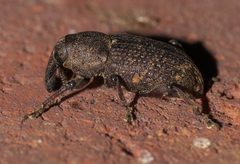
Pachylobius is a of pine weevils in the Curculionidae, established by LeConte in 1876. The genus contains at least two described : Pachylobius picivorus (pitch-eating weevil) and Pachylobius stupidus. Species in this genus are associated with coniferous and have been documented as pests of pine in forest .
Pronunciation
How to pronounce Pachylobius: /ˌpækɪˈloʊbiəs/
These audio files are automatically generated. While they are not always 100% accurate, they are a good starting point.
Images
Habitat
Associated with pine forests and coniferous environments; Pachylobius picivorus specifically documented in the Georgia Piedmont region in association with pine seedlings.
Distribution
Eastern North America; documented in the Georgia Piedmont for Pachylobius picivorus.
Seasonality
Two peaks annually in the Georgia Piedmont, reflecting responses to temperature and developmental cycles.
Diet
Pine seedlings; Pachylobius picivorus is a documented pest of natural and planted pine seedlings.
Host Associations
- Pinus - feeds onpine seedlings
Life Cycle
development requires 100-128 days during summer; long-lived with continuous oviposition throughout life.
Behavior
Responds to olfactory cues, particularly ethanol and turpentine mixtures (5:1 ratio); less directed response to visual cues compared to related weevil Hylobius pales, with more than 80% of individuals landing at distance from traps and moving toward them rather than direct approach.
Ecological Role
Pest of pine in natural and planted forests.
Human Relevance
Economic pest of forestry operations; damages pine seedlings in natural stands and plantations; subject of trap studies for monitoring.
Similar Taxa
- Hylobius palesBoth are pine-feeding weevils in Curculionidae; distinguished by behavioral response patterns (H. pales shows more directed response to visual cues and trap entry, while Pachylobius picivorus lands away from traps and walks toward them).
Sources and further reading
- BugGuide
- Wikipedia
- GBIF taxonomy match
- iNaturalist taxon
- NCBI Taxonomy
- Catalogue of Life
- BIOLOGY OF PACHYLOBIUS PICIVORUS (COLEOPTERA: CURCULIONIDAE) IN THE GEORGIA PIEDMONT
- Behavioral Response by Hylobius pales, Pachylobius picivorus (Coleoptera: Curculionidae) and Xylotrechus sagittatus (Coleoptera: Cerambycidae) to Trap Visual and Olfactory Cues and an Estimate of Trap Efficiency