
Phacepholis
Horn, 1876
Species Guides
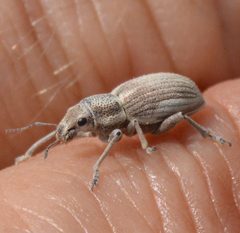
5Phacepholis is a of weevils in the Curculionidae, Entiminae, and tribe Naupactini. It was established by George Henry Horn in 1876. The genus belongs to the broad-nosed weevil group, characterized by a relatively short and broad rostrum. As a member of Naupactini, it is part of a diverse tribe distributed primarily in the Neotropical region.
Pronunciation
How to pronounce Phacepholis: //ˈfeɪsɛˌfoʊlɪs//
These audio files are automatically generated. While they are not always 100% accurate, they are a good starting point.
Identification
Phacepholis can be distinguished from other Naupactini by features of the rostrum and structure typical of this genus-level grouping. Members of Entiminae, including Phacepholis, generally possess a short, broad rostrum with inserted near its base, distinguishing them from other weevil with elongated rostrums. Definitive identification to genus requires examination of genitalic and other subtle morphological characters.
Images
Distribution
The has been recorded in the Neotropical region, with observations and specimens reported from areas in South America. Specific country-level distribution data is limited in available sources.
Similar Taxa
- NaupactusBoth belong to tribe Naupactini and share the broad-nosed weevil ; Naupactus is a much larger and more extensively studied with numerous agricultural pest , whereas Phacepholis is comparatively obscure and less speciose.
- PantomorusAnother in Naupactini with similar overall body form; Pantomorus are often more frequently collected and have better documented plant associations, while Phacepholis remains poorly known biologically.
More Details
Taxonomic status
Phacepholis is currently recognized as a valid in the Catalogue of Life, GBIF, and NCBI databases. It contains relatively few described compared to other Naupactini genera.
Research needs
The Phacepholis remains poorly known biologically. Basic information on , associations, and natural history is lacking in the primary literature. The 24 iNaturalist observations suggest it is rarely encountered or underreported.